

America’s ability to lead the world in a wide range of fields will depend on the extent to which the nation leverages talent and empowers genius through research. Though many HBCUs conduct transformative research every day, for too long, the bulk of the nation’s research dollars have historically gone past most HBCUs to universities more recognized for major research activity. Howard University, for example, is the only HBCU to have achieved a Research One (R1) Carnegie Classification, the highest designation for research activity. As a demonstration of research capacity, Howard and the 187 colleges and universities that currently have an R1 status must have spent at least $50 million on research and development and produced at least 70 research doctorates during an evaluation period, according to the American Council on Education, which administers the classification system. R1 institutions are more likely than other colleges to receive major investments and partnerships to conduct research, particularly from the federal government.
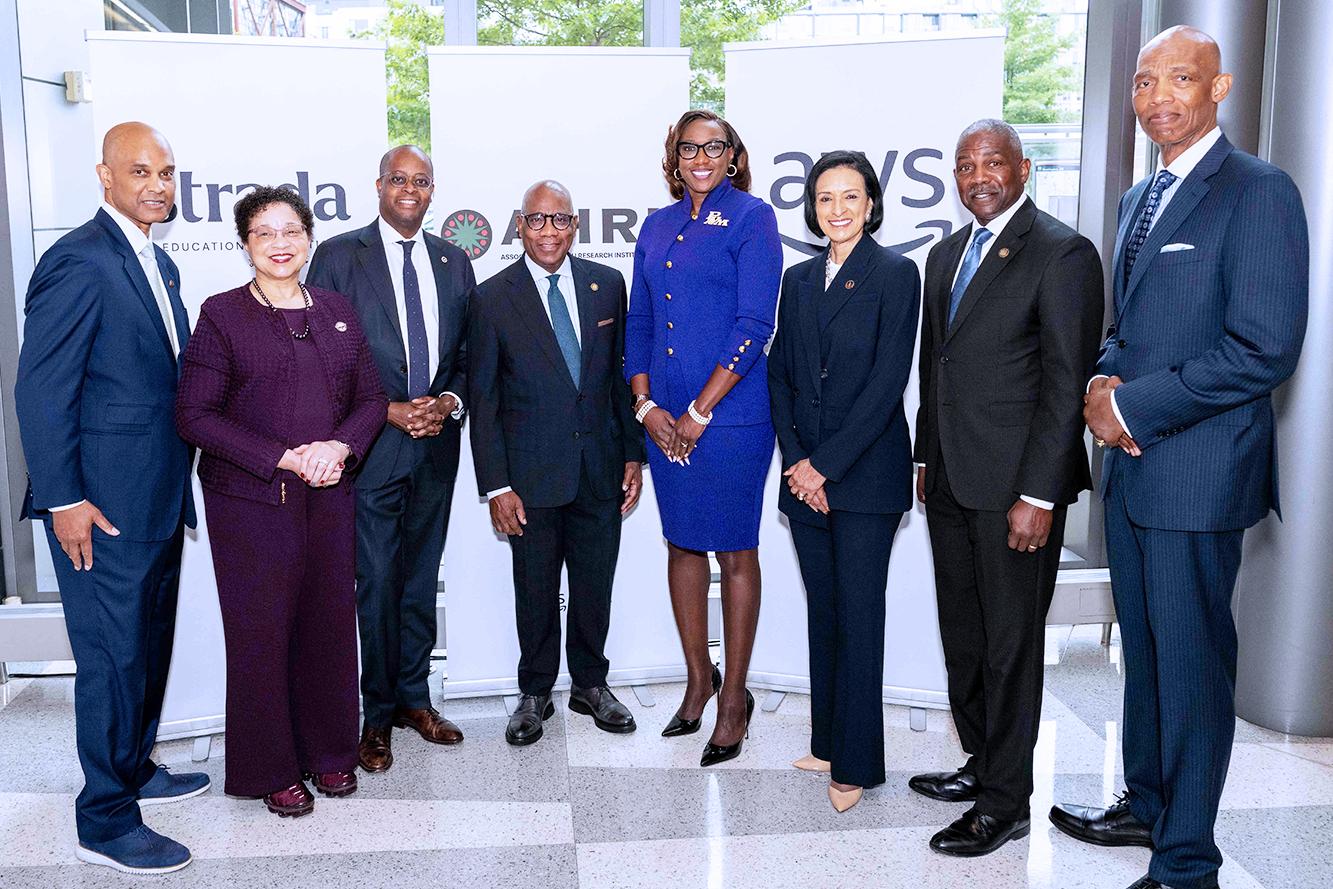
To further broaden research capacity and expand collaboration fifteen HBCUs formally launched the groundbreaking Association of HBCU Research Institutions (AHRI) in April 2026. AHRI is a consortium designed to expand research excellence, infrastructure, and investment across Historically Black Colleges and Universities, with the explicit goal of helping HBCUs with a “high research activity,” designated with a Research Two (R2) Carnegie Classification, achieve an R1 status. The organization’s founding members include Howard and 13 partner institutions with R2 status: Clark Atlanta University, Delaware State University, Florida Agricultural and Mechanical University, Hampton University, Jackson State University, Morgan State University, North Carolina Agricultural and Technical State University, Prairie View Agricultural and Mechanical University, South Carolina State University, Southern University, Tennessee State University, Texas Southern University, and Virginia State University. The University of Maryland Eastern Shore is also a member. Collectively, AHRI institutions account for 50% of competitively awarded federal research funding among HBCUs and drive solutions in health, science, education, justice reform, and economic development.
“If we are serious about equity in research, then we must be serious about investing in the institutions that have consistently produced diverse talent and transformative ideas — often with fewer resources, but never with less talent,” said Wayne A. I. Frederick, M.D., MBA, FACS, interim president of Howard University, president emeritus, and Charles R. Drew Professor of Surgery, who will serve as interim president of AHRI. “AHRI, at its core, is about aligning capacity with opportunity and ensuring that HBCUs are not only participants in the research ecosystem, but leaders within it.”
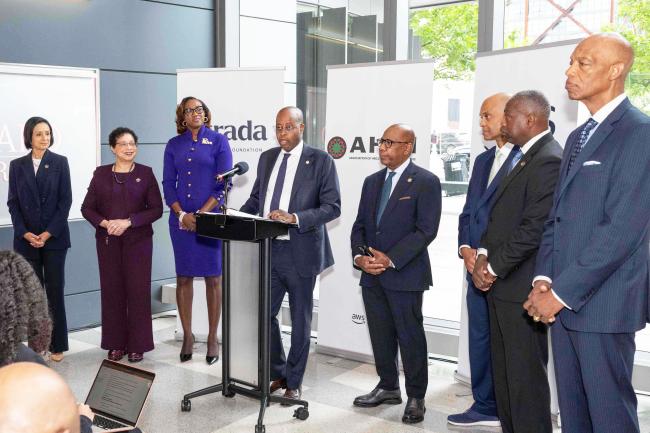
Howard University welcomed higher education leaders, researchers, policymakers, and partners to campus for the official launch on April 28-29. The two-day convening began with a private reception, dinner, and fireside chat and continued with a press conference and the inaugural research symposium, “Expanding the Research Mission of HBCUs,” at the university’s Interdisciplinary Research Building. Together, the events marked both a public announcement and a strategic call to action: to ensure HBCU research institutions are not merely included in the national research ecosystem but positioned to help lead it.
“It is about recognizing that the challenges we face as a society — whether in health, technology, education, or justice — require the full inclusion of perspectives, institutions, and communities that have too often been underrepresented in research,” said Fredrick.
Shared Purpose
AHRI unites leading HBCU research universities to advance a shared vision of research excellence, innovation, and national impact. With administrative and legal support from Howard, AHRI was formally incorporated in 2023 and convened its inaugural board meeting later that year. The organization was conceived through collaboration among distinguished leaders including Frederick, Ruth J. Simmons, Ph.D., president emerita of Prairie View A&M University; Harold L. Martin Sr., Ph.D., chancellor emeritus of North Carolina A&T State University; David K. Wilson, Ed.D., president of Morgan State University and chair of the AHRI Board; and Tomikia P. LeGrande, Ed.D., president of Prairie View A&M University and vice chair of the AHRI Board.
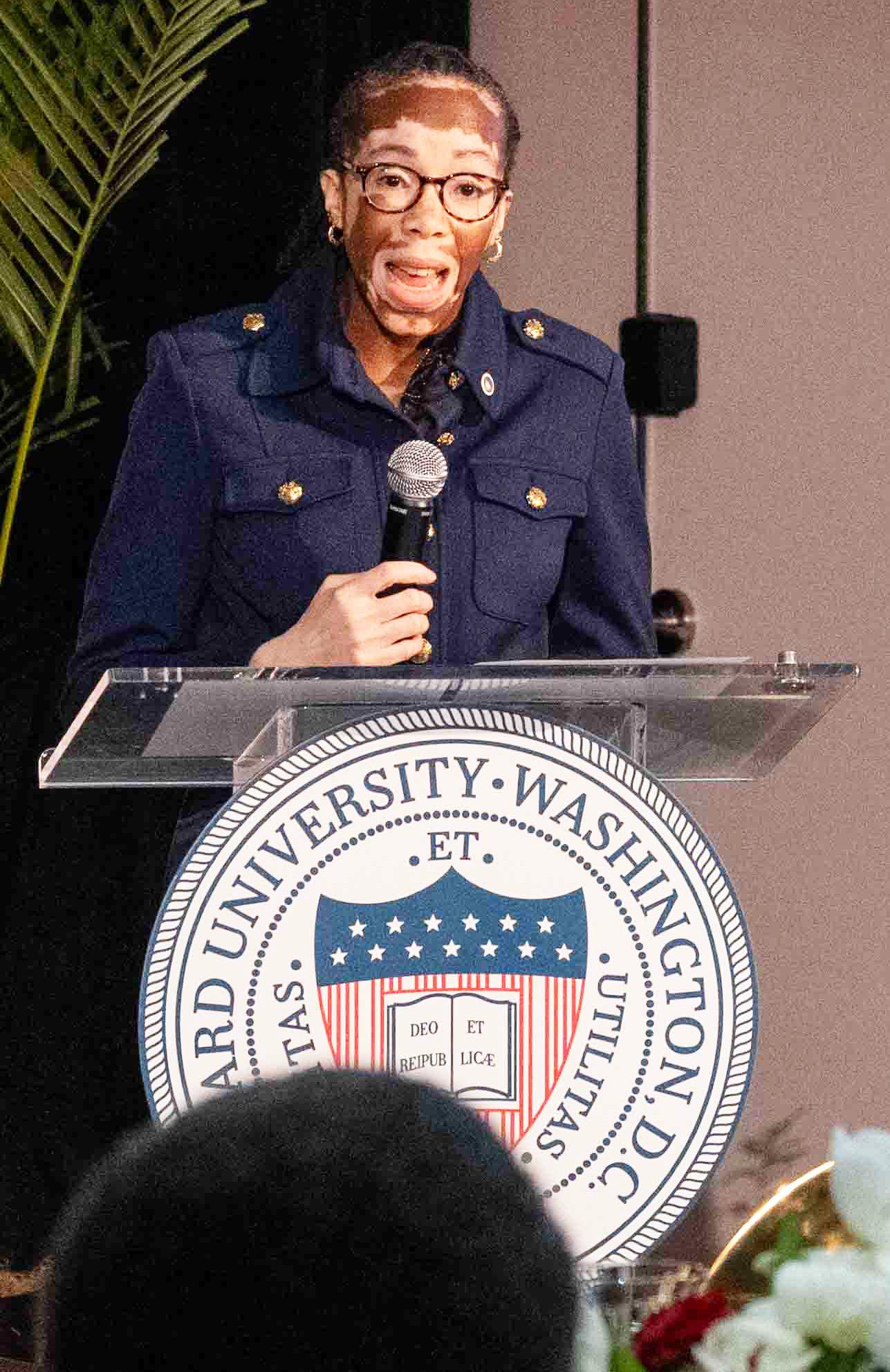
The AHRI launch opened with an intimate reception and dinner that united institutional leaders, founding partners, sponsors, and supporters for a program designed to foster connection, reflection, and a shared purpose. The evening included welcome remarks from Kim M. Lewis, Ph.D., Howard’s vice president of research and chief research officer, and a fireside chat with Presidents Frederick and Wilson.
Lewis situated the launch within Howard’s broader research legacy and the enduring role of HBCUs as engines of knowledge creation, leadership, and public impact.
“I see every day the brilliance and possibility that lives within our research enterprise,” Lewis said. “I see faculty asking questions that are not only academically rigorous, but deeply human. I see students bringing curiosity into labs, archives, clinics, classrooms, and communities. I see research rooted in excellence and grounded in service.”
Lewis noted that AHRI represents a formal structure for a principle HBCUs have long embodied: that institutions committed to access, justice, discovery, and service can achieve greater national impact by working collectively.
“AHRI’s creation is significant,” Lewis said. “It gives structure to an idea many of us have long understood, that our institutions are stronger when we move together. AHRI recognizes that HBCUs are not merely participants in the national research ecosystem. We are essential to it.”
The evening culminated with the “Why AHRI, Why Research, Why Now?” fireside chat, moderated by Sara Naomi Bleich, Ph.D., vice provost for special projects at Harvard University, which provided a $1 million grant from the Harvard & the Legacy of Slavery Initiative to support AHRI’s launch. The discussion featured Frederick and Wilson in a forward-looking conversation about the urgency of strengthening HBCU research capacity, the importance of federal and philanthropic investment, and the opportunity to define research excellence through a lens rooted in community, equity, and national need.
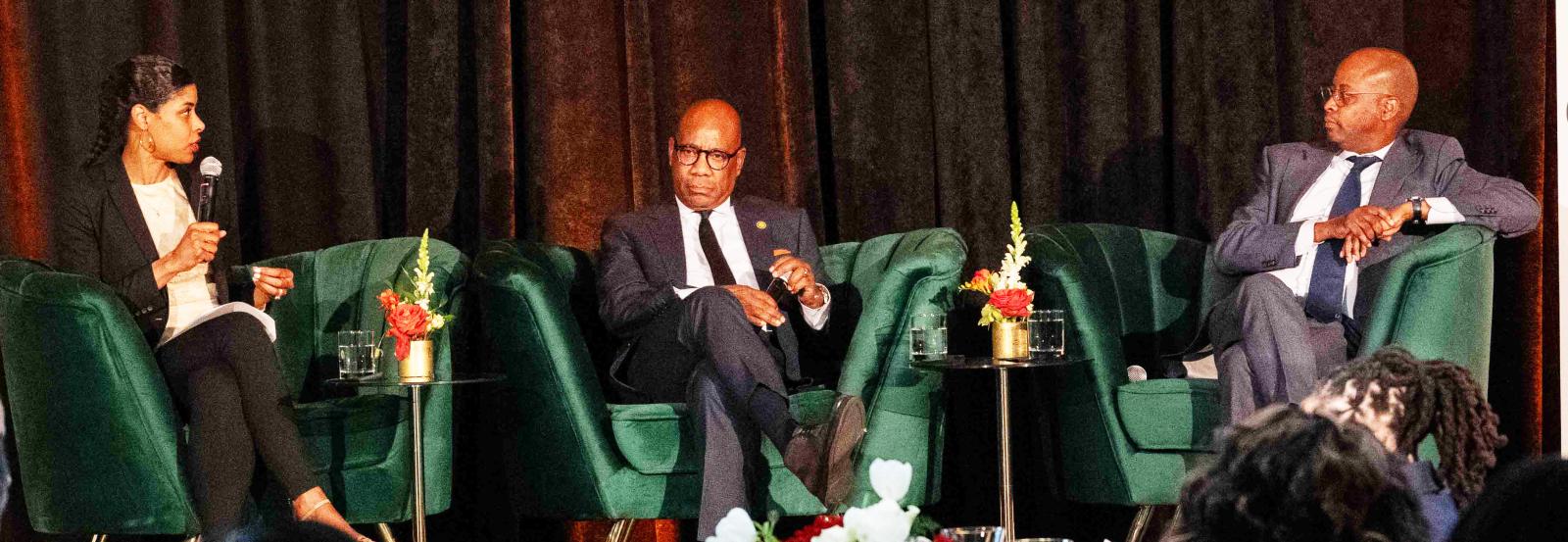
“We would like to see a greater production of Ph.Ds,” Wilson said. “As you rise, you should absolutely be looking at instituting on your campus Ph.Ds that speak to the work of the future, the future of work, and the very important research questions that are not yet addressed, because we don’t want to be churning out Ph.Ds just for the sake of churning them out. We would expect this set of institutions would become the leading institution in churning out a critical mass of Ph.Ds in critical fields.”
Frederick cited his daughter’s experiences as a burgeoning researcher as part of his personal motivation for AHRI’s short and long-term success. “[My hope] is that an institution like Howard, Morgan State, [Maryland Eastern Shore], Texas Southern can compete for her services as a faculty member … because she sees the value in these institutions,” he said.
Announcing An Intention to Lead
The formal launch continued with a national press conference. AHRI leaders announced the new consortium as a unified voice for leading HBCU research institutions and a vehicle for expanding research competitiveness, infrastructure, and policy influence.
In his press conference remarks, Frederick framed AHRI as a strategic response to a longstanding imbalance: the extraordinary research contributions of HBCUs compared with the historic underinvestment in the institutions producing those contributions.
“AHRI was not created overnight,” Frederick said. “It is the result of years of thoughtful collaboration among leaders who understood both the urgency and the opportunity before us.”
He added that AHRI was shaped by leaders who recognized that “while HBCUs have long been engines of talent, innovation, and impact, we have not always been resourced or positioned commensurate with that contribution.”
Frederick also underscored Howard’s role as both host and founding member, noting the university’s standing as the only HBCU currently designated as a Research One (R1) research institution. Still, he emphasized that AHRI is not about a singular university.
“Let me be clear: this work is not about a single institution,” Frederick said. “It is about building a collective pathway for more HBCUs to reach and sustain the highest levels of research activity.”
A key component of AHRI’s launch is its strategic partnership with the Association of American Universities (AAU). AHRI will be co-located within AAU’s Washington, D.C., offices, creating what Frederick described as “proximity to influence” in the spaces where national research policy, funding, and priorities are shaped.
“We are doing more than sharing space,” Frederick said. “We are ensuring that the voice of HBCU research institutions is present in the rooms where policy is shaped, where investments are directed, and where the future of the national research agenda is defined.”
The organization’s work will focus on strengthening the HBCU research ecosystem, accelerating pathways from Research Two (R2) to R1 designation, and advocating for the investment required to support globally competitive research infrastructures.
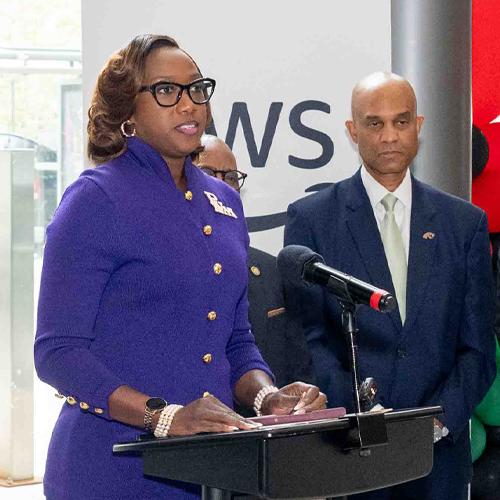
“The launch of AHRI represents an important inflection point for HBCU research institutions,” said Tomikia P. LeGrande, Ed.D., Prairie View A&M University president and AHRI board vice chair. “Through AHRI, we are leveraging alignment to expand our research enterprise, accelerate discovery, and strengthen doctoral education while deepening the impact of our work in ways that are meaningful in our communities.”
“Each of our universities has strengths within the research realm, and by collaborating with one another, we believe that there is even greater potential to make us a lot stronger,” added Ret. U.S. Army Gen. Darrell K. Williams, Hampton University president. “We believe the investment in HBCUs that my colleagues talked about can allow us to unleash the very best of all of our institutions. None of this is selfish by any means; this is all about how we forward the mission of research, and how we bring the capabilities of HBCUs to bear on the challenges that face our nation.
Defining the Future of Research at HBCUs
Following the press conference, AHRI convened its inaugural symposium, “Expanding the Research Mission of HBCUs,” a day-long program designed to explore how HBCU research institutions can meet national benchmarks while also redefining them.
The symposium opened with a plenary conversation, “Hope and Healing: Black Colleges and the Future of American Democracy,” featuring John S. Wilson, Ph.D., president emeritus of Morehouse College, and moderated by Dana A. Williams, Ph.D., dean of the Howard University Graduate School. The discussion located HBCU research within the larger democratic promise of higher education, exploring how Black colleges continue to serve as sites of intellectual production, civic leadership, and institutional resilience.
Later sessions examined the practical systems required to grow HBCU research capacity. A session on research strategy, growth, and sustainability focused on sustainable planning for R2 institutions. This included information on how campuses can align strategy with mission, diversify funding streams, use data to guide investment, and build collaborations that expand research capacity and reputation. Moderated by Lewis, the panel included Lenora P. Gant, director of research in Howard’s School of Business; Tobin Smith, senior vice president for government relations and public policy at AAU; and Kelly Morrison, assistant vice president for sponsored programs at Harvard.
Another session, “Research Strategies: Building the Systems That Make Research Possible,” explored the policies, technologies, facilities, and administrative practices needed to support compliant, efficient, and forward-looking research environments. Moderated by Victor McCrary, vice provost at The Catholic University of America and chair of the National Science Board, the panel featured Terry Adams of Worcester Polytechnic Institute, Neelam Azad, Ph.D., vice president for research at Hampton University, and Lealon Martin, Ph.D., dean of the College of Sciences and Engineering at Southern University and A&M College.
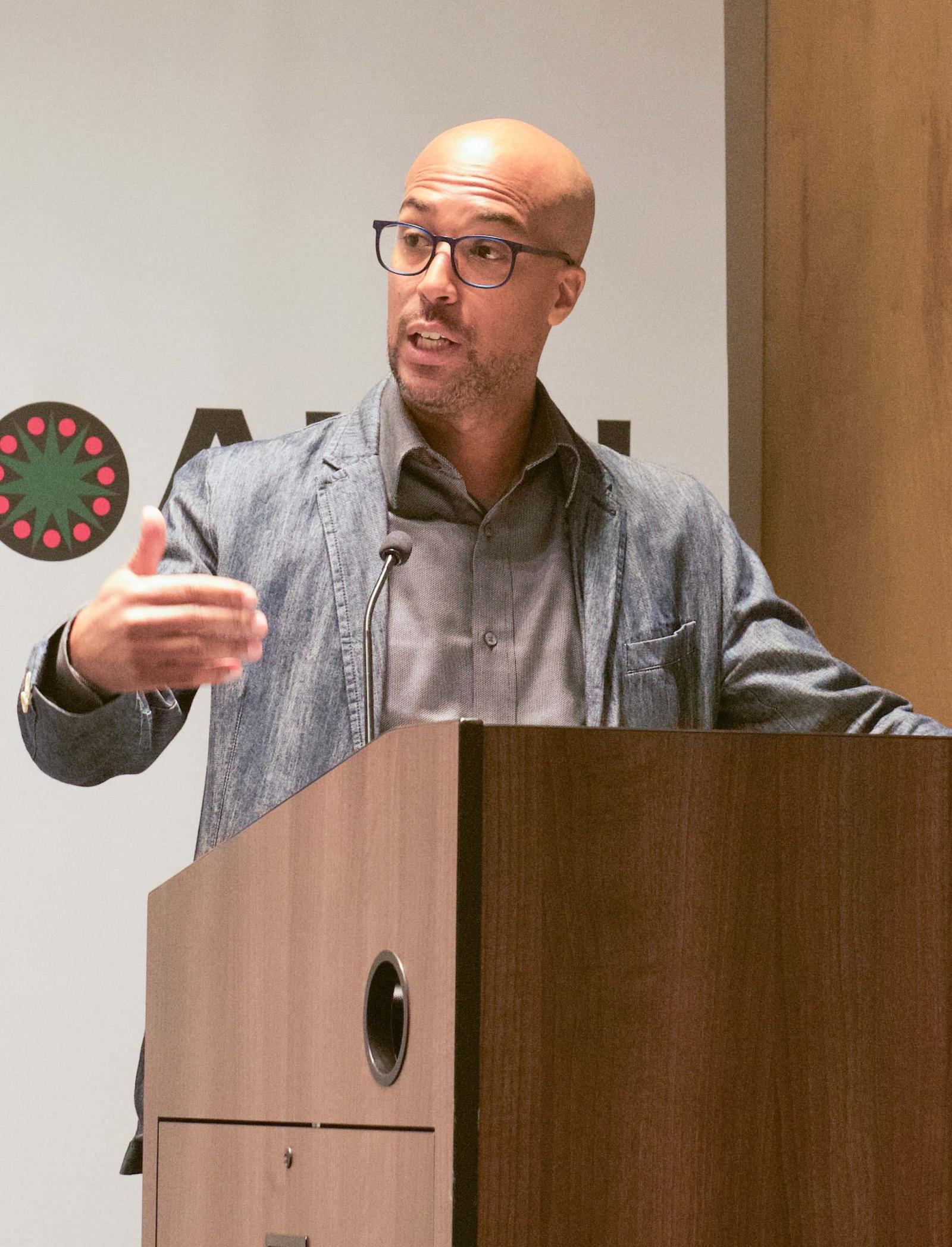
The event concluded with a conversation on “AI and the Future of Research at HBCUs,” which examined how artificial intelligence is transforming research design, access to data, scholarly productivity, collaboration, and institutional strategy. Moderated by Benjamin Talton, Ph.D., executive director of Howard’s Moorland-Spingarn Research Center, the panel included Kofi Nyarko, Ph.D., director of the Center for Equitable AI and Machine Learning Systems at Morgan State; Pamela Obiomon, Ph.D., dean and professor of electrical and computer engineering at Prairie View A&M University; and Bindu Nair of the U.S. Department of Energy’s Basic Energy Sciences program.
Across the two days, AHRI’s message was clear: HBCUs have never lacked research talent, ambition, or impact. The next era requires deeper investment, stronger infrastructure, greater coordination, and sustained national recognition of the role HBCUs already play in solving our most urgent challenges.
Keep Reading
-
 *Accolades
Howard University CEA Professor Sonya Smith Elected to AIAA Class of 2026 Fellows
Sep 28, 2026 3 minutes -
 Epiphanies, Discovery, and Research
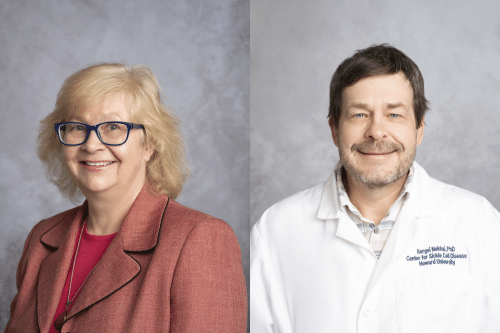
Howard University Researchers Advance Decade-Long Study of HIV and Sickle Cell Disease
Sep 23, 2026 4 minutes -
 News
NewsHoward University Names Jasmine Gurley as Senior Director of Public Relations
Oct 14, 2026 3 minutes