

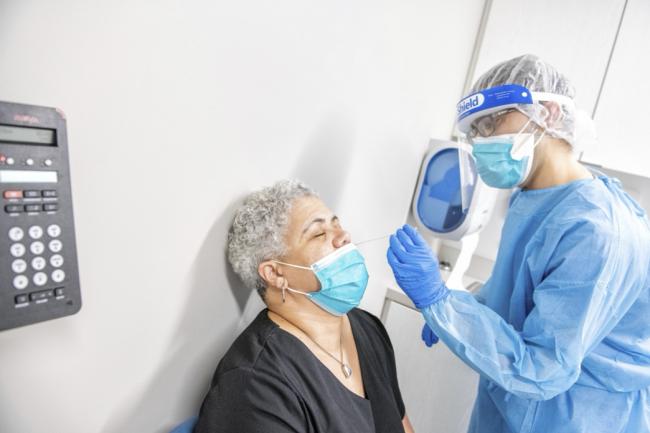
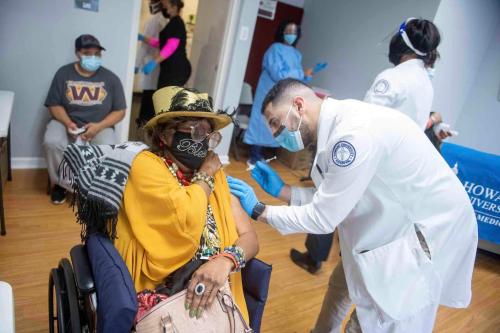
May 20 is Clinical Trials Day, and Howard University is marking the observance through ongoing efforts to improve trust and participation in clinical studies for communities traditionally overlooked in the research process.
According to Celia J. Maxwell, professor of medicine and director of Howard University’s Clinical Trials Unit, the university is currently involved in approximately 13 clinical trials, including studies in startup and contracting phases. Howard University’s clinical trials program has also been strengthened through collaborations with industry partners such as Novartis and Sanofi, which help expand access to research and emerging treatments.
“Clinical trials are highly regulated and include strict protections around participant privacy and study integrity,” Maxwell says. “They are essential because they help determine whether treatments are safe and effective across diverse populations.”

At Howard University, ongoing clinical trial studies span a wide range of conditions, including asthma, chronic obstructive pulmonary disease (COPD), Alzheimer’s disease, eczema, hidradenitis suppurativa, chronic hives, heart disease, and chronic kidney disease. Maxwell said the goal is to expand access to emerging treatments while ensuring that communities most affected are represented in medical research.
Historically, African Americans and other groups have been excluded from medical research, contributing to lingering mistrust shaped in part by the infamous Tuskegee Study. Maxwell said modern clinical trials now operate under strict safeguards, including informed consent, federal oversight, and ongoing safety monitoring.
In recent years, Howard University and Howard University Hospital have also worked to strengthen their clinical research infrastructure. Investments have included expanded staffing, pharmacy capabilities, data systems, and community outreach efforts designed to support long-term growth in clinical research.
Maxwell noted several ways for Howard students and community members to become involved in clinical research. Individuals can learn about ongoing studies and opportunities through resources such as ClinicalTrials.gov, Howard University’s Office of Regulatory Research Compliance, university outreach events, community health programs and fairs, training and mentorship opportunities, and CITI research training programs.
She added that students interested in research careers can seek opportunities through faculty mentorship, clinical research training programs, internships, and volunteer experiences connected to ongoing studies.
Observed globally each May 20, Clinical Trials Day recognizes the anniversary of what is considered the first randomized clinical trial, conducted in 1747 by British naval surgeon James Lind to study treatments for scurvy among sailors. Today, the observance also provides an opportunity to educate the public about the importance of clinical trials in advancing medicine and improving patient care.
###
Keep Exploring

Keep Reading
-
 Artificial Intelligence
Howard University Researcher Kamilah Woodson Develops A.I.-Powered Platform to Expand Mental Health Support for Students
Jul 31, 2026 6 minutes -
 Epiphanies, Discovery, and Research
Howard University Professor Lemir Teron Examines Environmental Justice
Jul 22, 2026 4 minutes -
 Epiphanies, Discovery, and Research
Howard University, NEON Bridge High School & Higher Education
Jul 15, 2026 6 minutes