

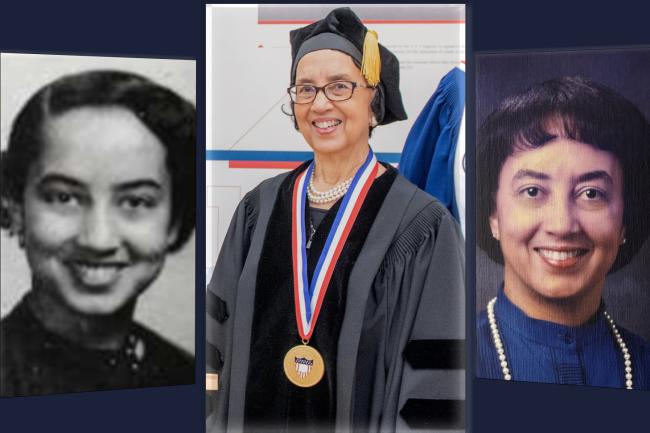
A full exploration of women’s history, and by indivisible extension, American history, must include the numerous, invaluable contributions of Howard alumna Jeanne Craig Sinkford, Ph.D. (B.S. '53, DDS '58, D.Sc. '19), the first woman dean of a dental school in the United States. Throughout her life, she repeatedly made history in the field of dentistry, in academic leadership, and in service to humanity. She widened the pathway for countless dentists and health care professionals who improved the quality of life for countless more patients. At the same time, she set a new standard of excellence through her practice, her scholarship, her mentorship, and her example. The first Women’s History Month since her passing in October 2025 would be incomplete without recognition of her work to perpetuate truth and service throughout the world.
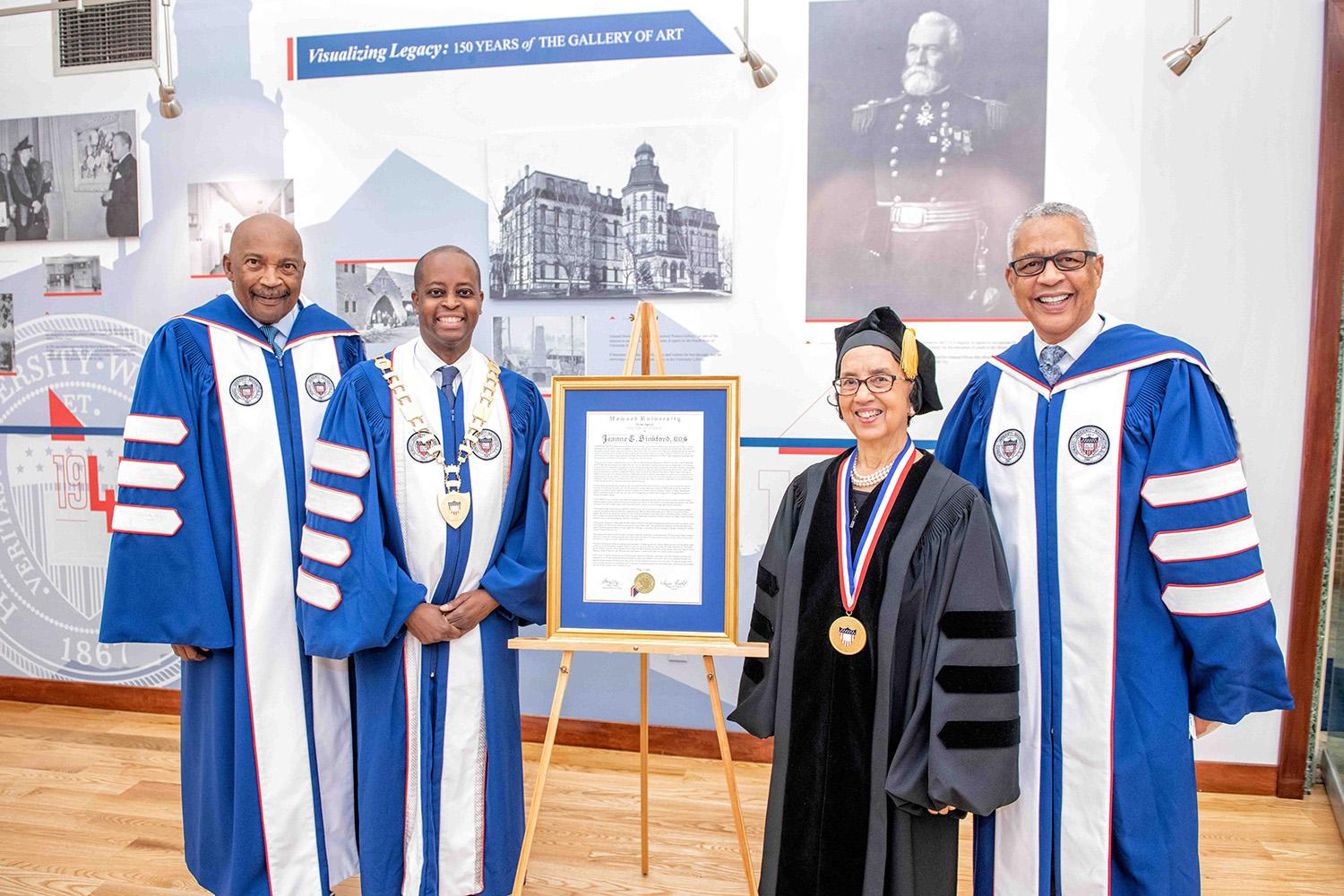
Howard hosted a tribute to Sinkford earlier this year, where a panoply of luminaries from the fields of health and academia gathered to reflect on her brilliance and influence. They frequently noted her humility, preferring to focus on the work ahead and to shepherd the next generation of leaders. Today, those leaders remain guided by her wisdom.
“To those of us who had the privilege of knowing her, she was seemingly oblivious to her brilliance,” said Hazel Harper-Johns, DDS, the first woman president of the National Dental Association and a former president of the Howard University College of Dentistry Alumni Association. “But we all knew she was an educator of educators, a leader of leaders, a mentor of mentors and she was blessed with and used all of her gifts of intellect, intuition, and instinct to pursue endeavors that changed health and oral health around the world. She was completely intolerant of mediocrity, and she pursued her endeavors with irrepressible energy and fierce determination.”
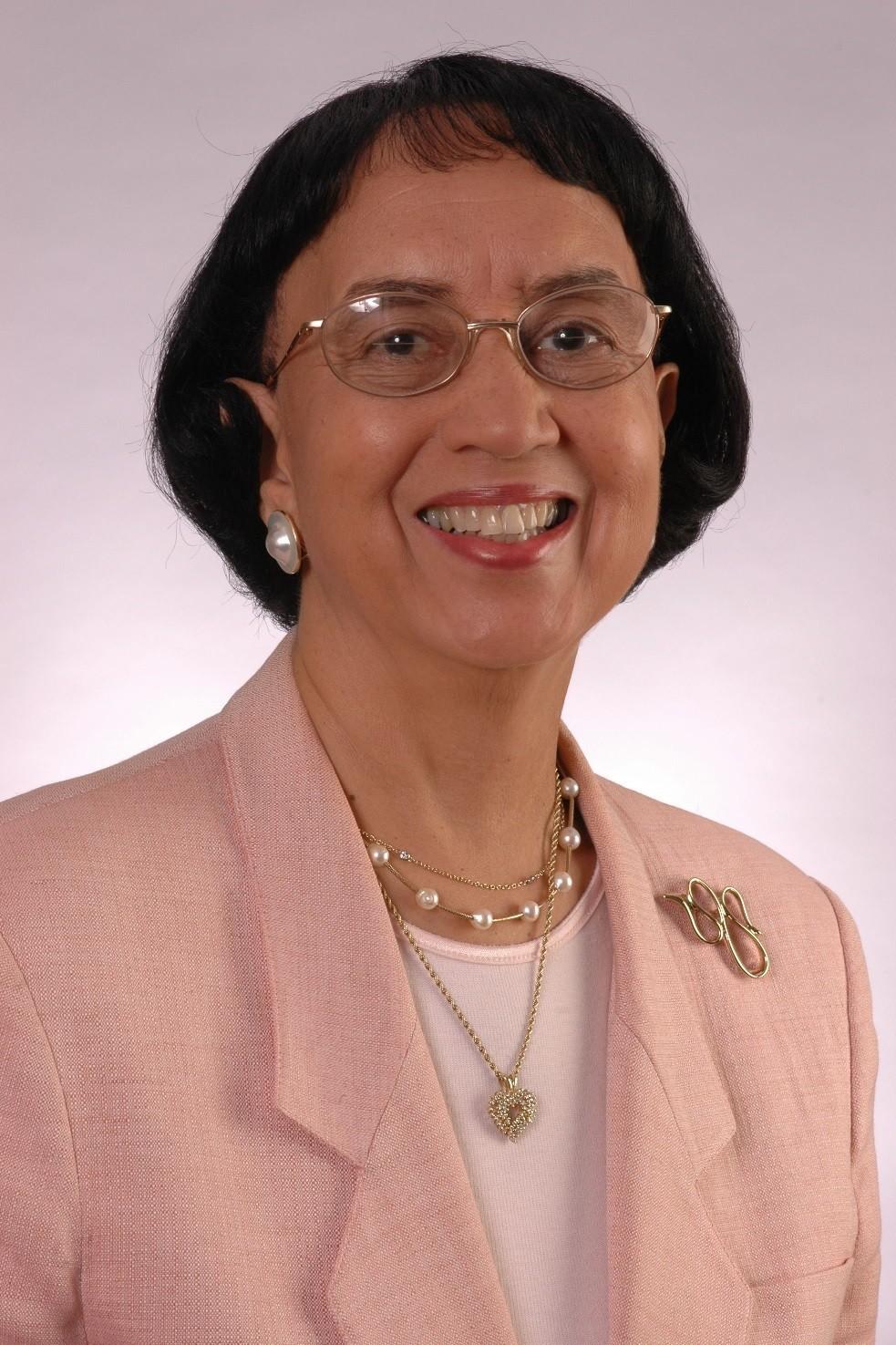
Sinkford was a paragon of proficiency from an early age. Her subject matter interests and expertise were broad and her academic achievements were evident. She enrolled at Howard at 16 years old and became a member of the Alpha Chapter of Alpha Kappa Alpha Sorority and Phi Beta Kappa Honors Fraternity while earning her bachelor's degree in chemistry and psychology at Howard in 1953. She then graduated first in her class at Howard’s College of Dentistry, earning a doctor of dentistry in 1958 and then teaching prosthodontics, an advanced form of dentistry focused on restoring or replacing damaged teeth and addressing complex dental issues. She then made history in 1963 as the first woman prosthodontist to earn a Ph.D. when she received a doctorate from Northwestern University in physiology, which is the study of how living organisms function. She made history again and again after returning to the faculty at Howard’s College of Dentistry, where she became the first woman in the nation to chair a prosthodontics department at a dental college and the first woman appointed dean of a dental college in 1975.
A Bison through and through, she was married for 60 years to fellow alumnus Stanley M. Sinkford Jr., M.D., who served as a faculty member at Howard College of Medicine and head of pediatric cardiology at D.C. General Hospital, until his death in 2012.
Her impact extended far beyond campus, where she spent more than three decades on the faculty. Sinkford co-chaired an ad-hoc advisory panel which authored a 1973 report highlighting the “ethically unjustified” and “scientifically unsound” Tuskegee Syphilis Study, infamously known as the “Tuskegee Experiment.” Beginning in 1932, hundreds of Black men with syphilis in Macon County, Alabama, mostly sharecroppers, were convinced to participate in a federal government study where they were falsely led to believe they would receive care for the disease. In fact, most of the men were purposefully not provided with effective treatments for the disease, such as penicillin, so researchers could observe its full, often fatal progression, which also included painful physical debilitation, blindness, and mental impairment. The disease was also passed from program participants to spouses and children. After 40 years, the report by the ad-hoc panel Sinkford co-chaired, which also found that the participants should have been given penicillin when it became available, led to the end of the program and eventually an apology by U.S. President William Jefferson Clinton, and millions of dollars in damages awarded to the study participants and their families. The study was the subject of the heartbreaking 1997 movie Miss Evers’ Boys and is often cited as a source of mistrust between the Black community and the federal government, particularly on matters of health.
“One fundamental ethical rule is that a person should not be subjected to avoidable risk of death or physical harm unless he freely and intelligently consents,” the ad-hoc panel report concluded. “There is no evidence that such consent was obtained from the participants in this study.”
Sinkford authored more than 100 articles in scholarly publications. She literally wrote the book on crowns and bridge prosthodontics , publishing an instructional manual on the topic, and co-authored “The Science and Art of Dentistry: Historical Milestones, Untold Stories, and Hidden Legacies,” an exploration of the dental profession beginning with its origins. The depth of her knowledge continues to shape the field today.
“Her focused, goal-oriented approach turned every conversation into purposeful action, advancing scholarship, elevating global health perspectives, and underscoring the importance of diversity inclusion and the urgent need to close persistent gaps in health disparities,” said Fatima M. Mncube-Barnes, Ed.D., executive director Howard’s Louis Stokes Health Sciences Library.
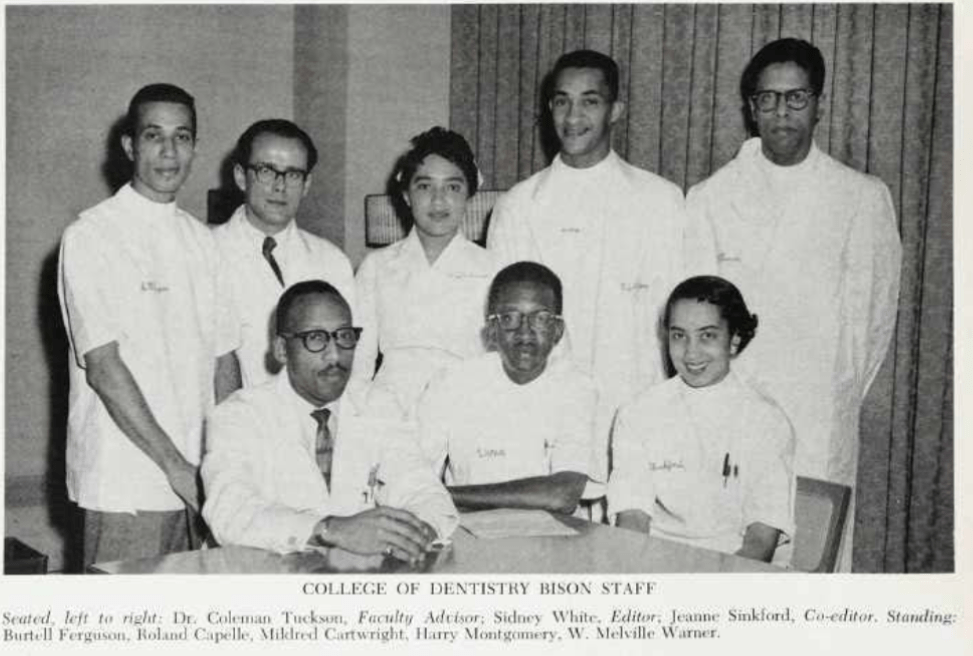
Sinkford was passionate about inclusiveness in the dental profession, penning articles on overcoming barriers women’s leadership in global health and coauthoring “Undaunted Trailblazers: Minority Women Leaders for Oral Health,” which celebrated high achieving women who advanced the dental profession. In addition, she founded the Center for Equity and Diversity at the American Dental Education Association (ADEA). At ADEA, she engineered programs and policies that helped increase the number of women and minorities who were students and faculty at dental schools and improved the oral health care of women and vulnerable communities around the world.
“Dr. Sinkford’s life sacrifice, service, and intelligence profoundly shaped the landscape of oral health education through a vision that honored every voice, leveled every playing field, and always reached toward greatness,” said Karen P. West, DMD, MPH, ADEA president and CEO, at the Howard memorial service.
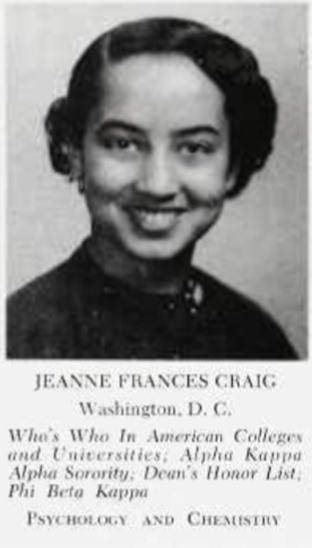
Sinkford’s global legacy will long be remembered. Three awards named for Sinkford are presented by ADEA to students and faculty leaders each year. She has numerous honorary degrees, including honorary doctorates from Georgetown University, the University of Michigan, and Howard. She received the Lifetime Achievement Award from the American College of Dentists in 2017 and was elected into the National Academy of Medicine.
“Her legacy lives not only within the institution and achievements but with countless lives she uplifted, and we are forever grateful,” said Andrea D. Jackson, DDS, dean of Howard’s College of Dentistry.
During Sinkford’s memorial service at Howard, against a backdrop of a giant necklace of pearls, her signature accessory, speaker after speaker paid tribute to her remarkable impact on the health profession, higher education, and Howard University.
Wayne A. I. Frederick (B.S. '92, M.D. '94, MBA '11), Howard University interim president, president emeritus, and Dr. Charles Drew Professor of Surgery, reflected on Sinkford’s humbleness and humanity.
“The thing that I think she would be most concerned about, especially in the present day time, is whether or not we are taking efforts every single day to amplify other people’s humanity, which I think is our singular purpose every single day,” he said.
Frederick noted that she was much more interested in talking about people who influenced and aided her on her career journey than she was about basking in her own laurels. On many occasions, he said, she simply refused to indulge in a prolonged conversation about her accomplishments.
“She said to me that that excellence was basically a reflection of what other people had poured into her and that she did not need other people to acknowledge her or ring her accolades,” Frederick said. “What was most important was that she needed to pass it on and pass it forward.
Related Story
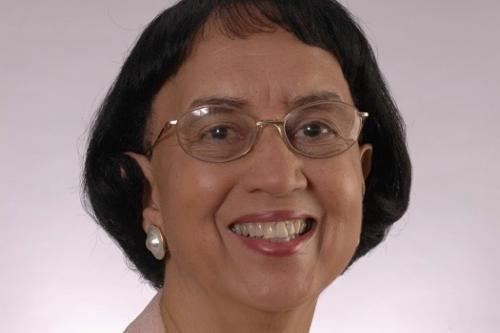
Howard University Dentistry Trailblazer Dr. Jeanne Sinkford Receives American College of Dentists Highest Award
Keep Reading
-
 *Accolades
Howard University CEA Professor Sonya Smith Elected to AIAA Class of 2026 Fellows
Sep 28, 2026 3 minutes -
 Legacy and Lineage
Howard University Honors Retirees, Inaugurates Academic Year at 159th Opening Convocation
Sep 25, 2026 6 minutes -
 Legacy and Lineage
2,000 Years of Service: Howard University Retirees Honored at Celebration
Sep 24, 2026 7 minutes