

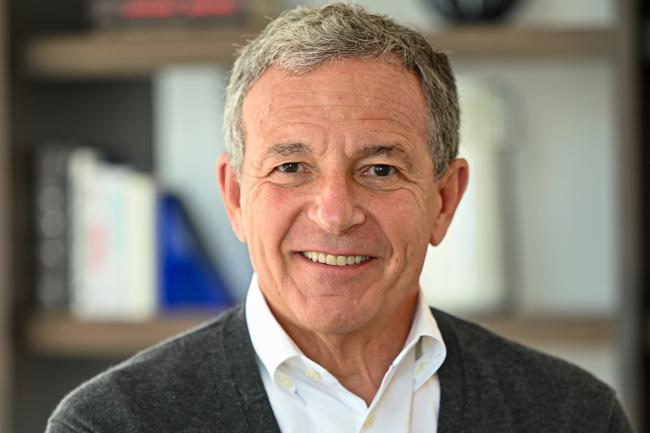
As he prepares for receive an honorary Doctor of Laws degree from Howard University, former Disney CEO Robert (Bob) Iger has advice for his fellow members of the Class of 2026. Though they are graduating, he counsels them to remain students. As technology and cultural dynamics transform marketplace, the workplace, and the nature of work itself, he said that students should lean into the change and constantly evolve.
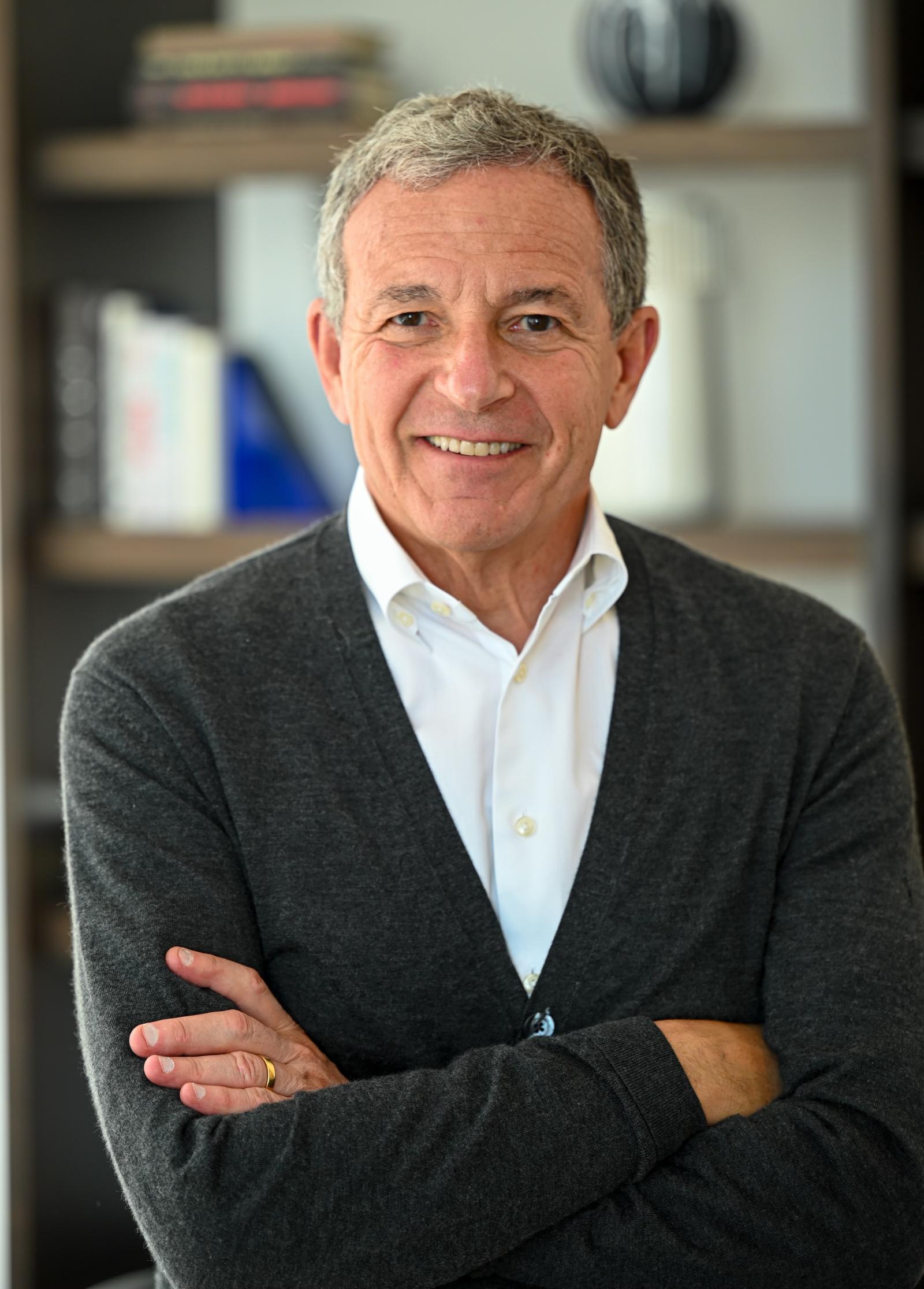
For two decades, Iger has served in numerous leadership roles at the iconic company, including CEO, chairman of the board of directors, executive chairman, president and chief operating officer, and chairman of the ABC Group. Under his leadership, the company grew in scale and profitability with the establishment of a major streaming service and the acquisitions of Marvel, Pixar, Lucasfilm, and 20th Century Fox and was frequently named by Forbes as one of the “Most Reputable Companies” in the world and named by Fortune as one of the “World’s Most Admired Companies.” In 2023, Time named him one of the “100 Most Influential People” and featured him on the cover. A member of the Television Academy Hall of Fame, he wrote the New York Times best-selling book “The Ride of a Lifetime: Lessons Learned from 15 Years as CEO of The Walt Disney Company.”
This week, he shared his unique insight as he joins the ranks of honorary Bison.
Question. How do you think the job market for new college graduates is unique today, and what advice do you have for those just starting their professional career journey?
Answer:
I think the defining characteristic of today’s job market is its pace. It’s rapidly evolving and can feel at times, very unpredictable. We’re living in a world that is, in many ways, in a constant state of disruption.
That can be daunting, but it’s also an opportunity.
My advice is to stay curious and stay adaptable. Don’t assume the path ahead will be linear, it rarely is. Focus on building skills that travel well: communication, critical thinking, an open-mind, creativity, and the ability to learn quickly.
I’ve always believed that if you take your work seriously, you become a student first. That means doing the homework, understanding your craft, and constantly improving.
Finally, be open to where your career takes you. Some of the most meaningful opportunities come from places you didn’t initially expect.
Can you give us one principle that should guide every leader?
I think the best leaders remain curious; they never assume they have it all figured out. They ask questions, they listen, and they stay open to learning, no matter how much experience they have.
One of the biggest lessons for me over time is that leadership isn’t just about teaching, it’s about learning. I’ve learned just as much from the people I’ve worked with, and that’s what’s allowed me to keep growing. If you can hold onto that curiosity, even as expectations grow and pressure builds, you’ll make better decisions, and you’ll keep improving.
What does receiving an honorary degree from Howard mean to you?
Howard University represents excellence, history, and a commitment to opportunity and impact that extends far beyond its campus. It is both humbling and inspiring to be recognized by an institution with that legacy.
Moments like this also invite reflection. I’ve spent my entire career working in an industry built on storytelling, but at its core, it’s always been about people, talent, and perspective.
I think about individuals like Chadwick Boseman, whose work reached and inspired so many, especially here at Howard. He left a lasting impression on me, and his stories reflect the kind of character and influence this university nurtures.
To be honored by a community that has contributed so profoundly to culture, leadership, and progress is something I take seriously, and something I’m very grateful for.
Given the rise of AI, corporate consolidation, and global realignments, what do you think the world of work will look like ten years from now? What should our graduates do over the next year to prepare themselves?
I should start by saying the pace of change is so rapid today that it’s very difficult to predict what the world will look like ten years from now.
But in the near future, I believe the world will be even more shaped by technology, but also, more dependent on distinctly human qualities.
AI will change how we work, just as past technologies have. It will increase efficiency, accelerate decision-making, and open new creative possibilities. But it won’t replace the need for judgment, empathy, creativity, and integrity. If anything, those traits will matter more.
I’ve always believed that technology should be embraced as an enabler, not feared. The key is to use it to enhance what you do, not define who you are.
So, over the next year, I’d encourage graduates to do three things:
First, build fluency with new tools to understand how technology is shaping your field.
Second, invest in your own point of view - your creativity, your judgment, your taste. Those are the things that won’t be commoditized.
And third, place real value on relationships.
In a world where so much is becoming automated, human connections matter more, not less. The ability to build trust, to collaborate, to listen, and to bring out the best in other people, that’s not something technology can replicate.
If I look back on my own career, the most important opportunities I had, and many of the best decisions I made, came out of relationships. That doesn’t change in an AI-driven world. If anything, it becomes more essential.
Keep Reading
-
 News
NewsHoward University Alum Jayson Johnson Named to 2026 Cohort of Knight-Hennessy Scholars
May 19, 2026 2 minutes -
 Commencement 2026
'We Thrived': Howard University’s Class of 2026 Steps Into a World That Needs Truth and Service
May 9, 2026 5 minutes -
 Epiphanies, Discovery, and Research
Howard University Engineering Professor Advances Soil Thermal Behavior Research with $780K DOD Grant
May 22, 2026 3 minutes