

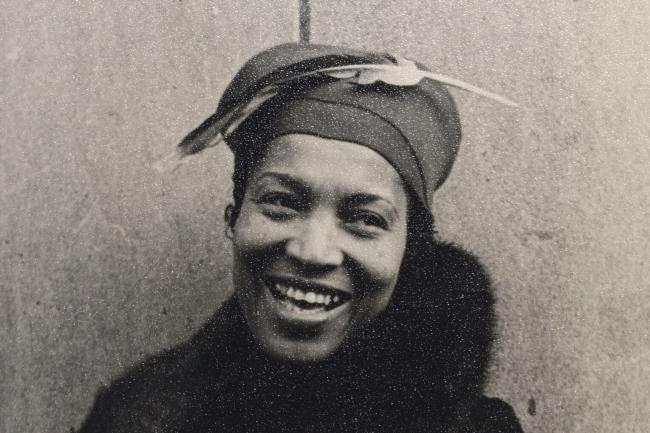
Five Facts about Zora Neale Hurston
Gone are the days of Hurston’s forgottenness. Beyond her literary and anthropological contributions, here are five facts you may not have known about Zora Neale Hurston.
Hurston founded the nation’s oldest Black collegiate newspaper
During her time as a Howard student, Hurston, alongside Louis Eugene King (B.S. ’24), founded The Hilltop, the university’s student newspaper and the oldest Black collegiate paper in the nation. The pair published the first issue of The Hilltop Jan. 22, 1924, and more than a century later, the paper continues to be one of the country’s premiere collegiate news sources.
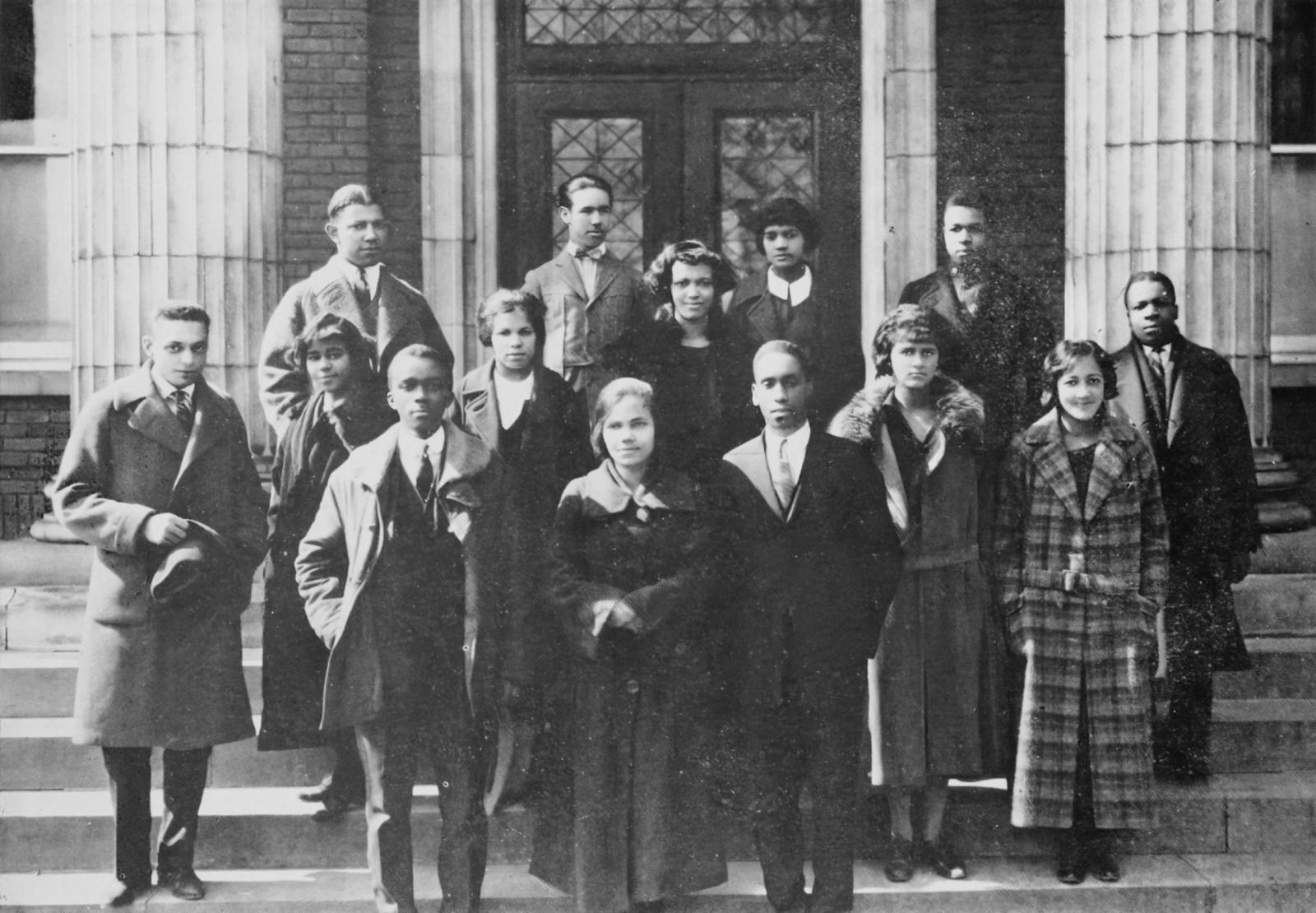
Hurston was a manicurist in D.C.
To fund her education at Howard, Hurston took on several service jobs, one of which included being a manicurist in 1919 at a Black-owned barbershop in D.C. Despite the shop’s policy of only serving white patrons, Hurston admired the shop’s owner, entrepreneur George Robinson, who, she said, “would give any Howard University student a job in his shops if they could qualify,” wrote Valerie Boyd in the article “Zora Neale Hurston: The Howard University Years,” published in the Journal of Blacks in Higher Education. According to Boyd, because Hurston went unnoticed in the barbershop, the “men of power talked freely around her — about backstairs maneuvering at the White House, the inner workings of Congress, about secret romantic liaisons.”
“I know that my discretion could do no harm,” Hurston observed. “If I told, nobody would have believed me anyway.”
Hurston was a drama teacher
In the 1930s, Hurston was seriously invested in writing and producing folk plays that highlighted everyday Black life. Hurston’s love of theatre began to take shape during her time at Howard. She was a member of the Howard Players, the university’s historic theatrical troupe. In 1934, she worked to establish and lead a school of dramatic art at Bethune-Cookman University. During her time at Bethune-Cookman, she successfully arranged for students to perform her musical play “From Sun to Sun” in front of 2,100 people. Five years later, Hurston served a brief stint as faculty and head of the Dramatic Arts Department at the North Carolina College for Negroes (now North Carolina Central University).
Hurston had an infectious sense of humor
Throughout her works, Hurston emphasized the importance of humor and laughter as an integral part of Black culture and Black survival. In her real life, she was known for her charm, wit, sense of humor, and larger-than-life personality. Her humor, Hurston wrote, derived from her sense that “we are just as ridiculous as anybody else.”
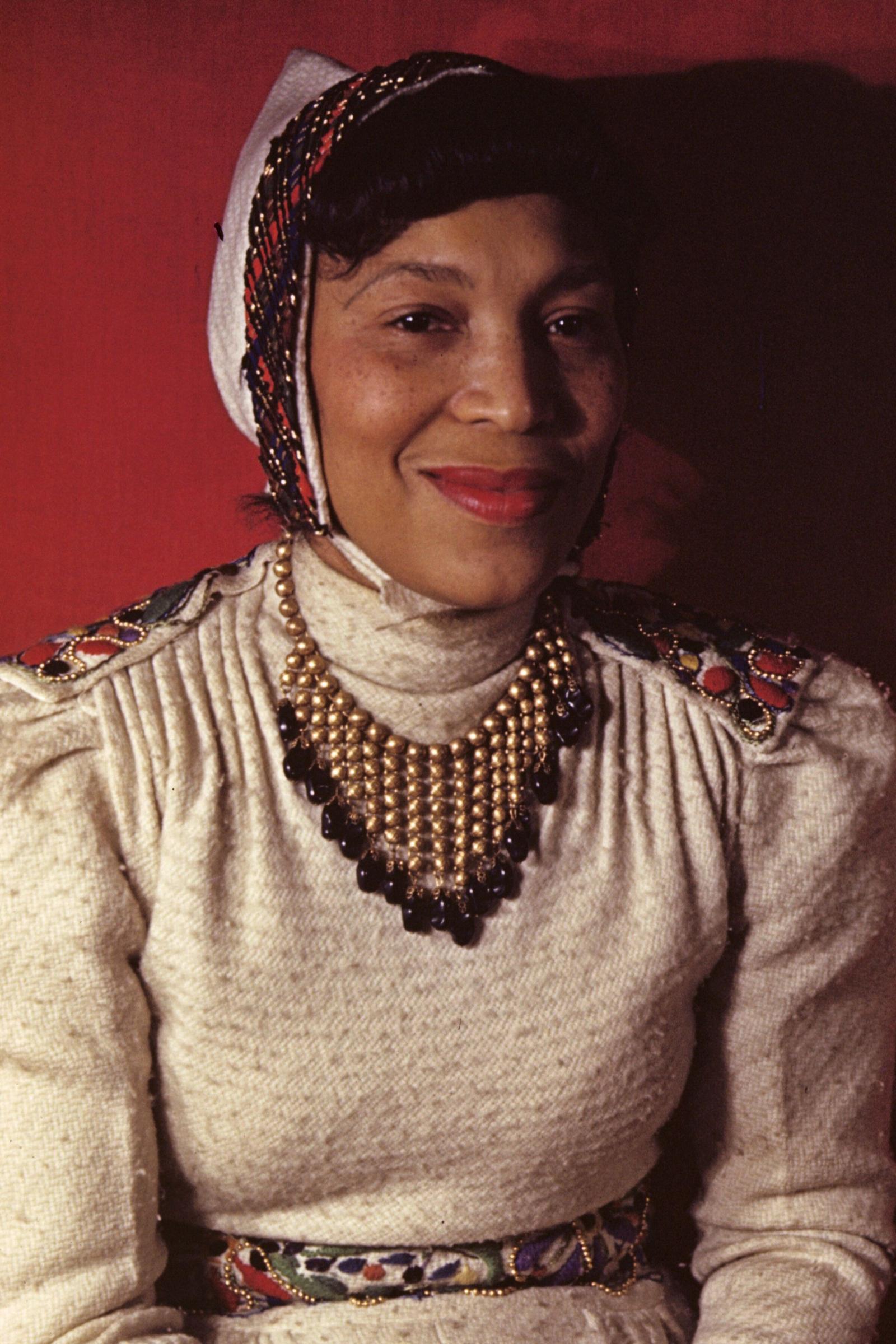

Hurston’s satirical essay “Ten Commandments of Charm” — featured in “You Don’t Know Us Negroes” (Amistad, 2022), the first comprehensible collection of Hurston’s essays, criticism, and articles — provides tongue-in-cheek advice for women on navigating societal expectations and pursing romantic interests.
“‘You Don’t Know Us Negroes’ has such a diversity of writing in it, and I felt like I got to see all of these other sides of Hurston,” said Johnson. “Hurston was funny and nobody talks about that.”
Hurston lived on a houseboat
After her autobiographical book “Dust Tracks on a Road” (1942) won the Anisfield-Wolf Book Award for being the “best book in racial problems in the field of creative literature,” Hurston used the prize money to buy her first home, a 32-foot wooden houseboat. Hurston named the boat “Wanago” (want to go) and lived in it for four years in Daytona Beach. She later bought a second houseboat named “Sun Tan” and spent much of her time on the boats writing and enjoying the Florida sun.
Take a moment to appreciate Zora Neale Hurston’s unequivocal legacy. If you’re new to her work, we recommend the documentary "Zora Neale Hurston: Claiming A Space."
Keep Exploring
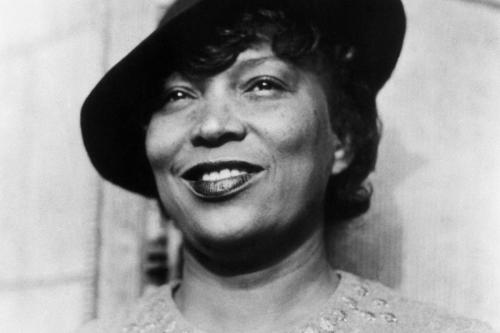
The Queen of the Harlem Renaissance: Exploring Zora Neale Hurston’s Impact

SAVE THE CULTURE: Essential Literature in African American History
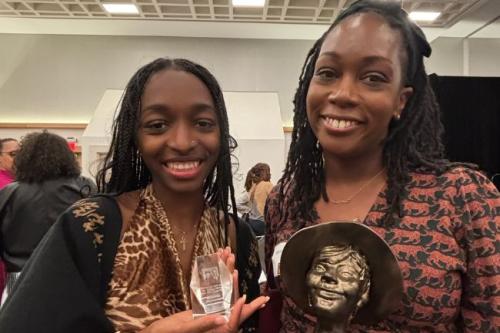
Howard Alumnae Win Hurston/Wright Foundation College Writer and Debut Fiction Awards
Keep Reading
-
 *Change Makers
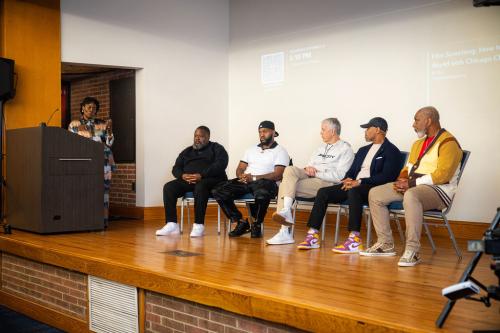
Howard University Trustee Arne Duncan’s Anti-Gun Violence Organization Takes the Spotlight in Documentary
Oct 2, 2026 6 minutes -
 *Accolades
Howard University CEA Professor Sonya Smith Elected to AIAA Class of 2026 Fellows
Sep 28, 2026 3 minutes -
 *Community
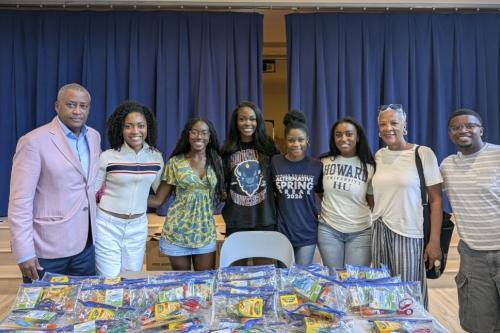
A Backpack, a Fresh Start: Howard University Supports D.C. Students
Sep 29, 2026 3 minutes