

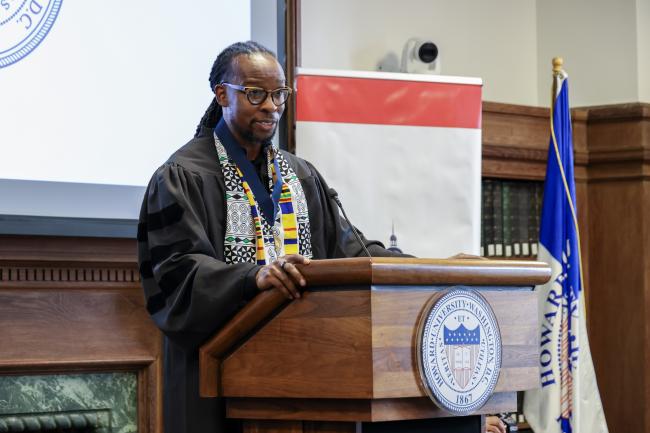
Last week, Dr. Ibram X. Kendi was officially installed as Howard University’s inaugural Carter G. Woodson Endowed Chair in History, an honor he said will continue to inform his work as the university’s inaugural director of the Howard University Institute for Advanced Study.
On Feb. 25, the broader Howard community filled the university’s historic Browsing Room at Founders Library for the investiture ceremony to confer the Woodson Endowed Chair in History position upon Kendi. The position, Kendi said, is a significant homage to Woodson’s legacy, who is commonly referred to as the “Father of Black History.”
“This is an important moment for me, but more than me, this is an important moment for the United States for Howard to install Dr. Woodson’s name on a chair at the most imminent historically Black university in the nation on this centennial of his — of our — Black History Month,” said Kendi during the ceremony. “What is most meaningful to me about Dr. Woodson is not the accolades he took in, but what he gave to the field of Black history, what he gave to anti-racist scholarship, what he gave to universities, and what he gave to communities.”
Honoring Carter G. Woodson’s Legacy
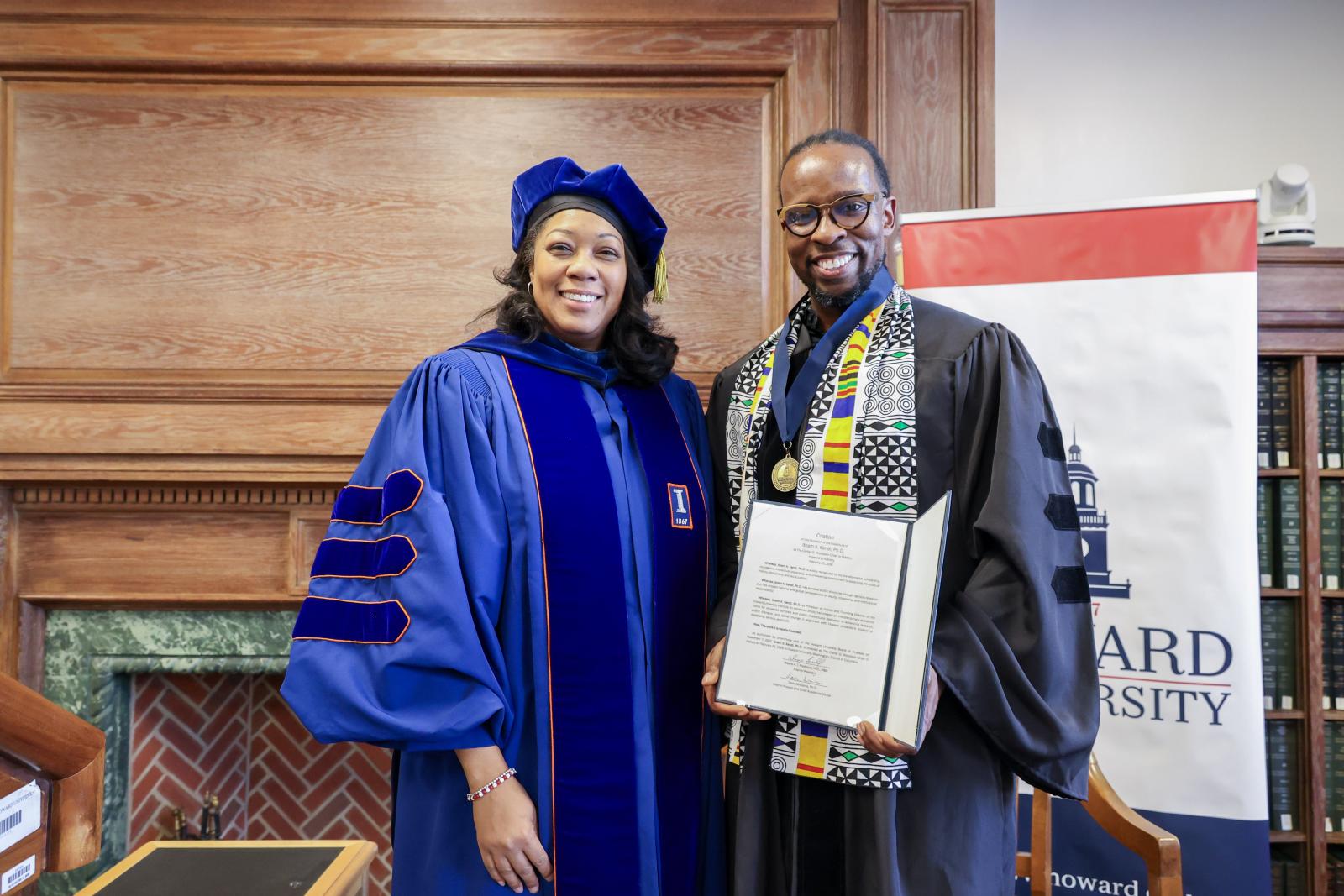
The Woodson Endowed Chair appointment was created to foster influential, field-defining research and scholarship on Black history, social justice, and American policy. Carter G. Woodson was a legendary historian who was once a professor at Howard and dean of the university’s College of Arts and Sciences. The Woodson Chair is underwritten by $3 million in gifts from several key benefactors including donations from the Stupski Foundation.
“My thanks to the donors who gave the funds to Howard to establish this endowed chair,” said Kendi. “My greatest hope is that this ceremony and news of this chair will inspire more donors to step forward to give more funds to establish more endowed chairs for faculty at Howard.”
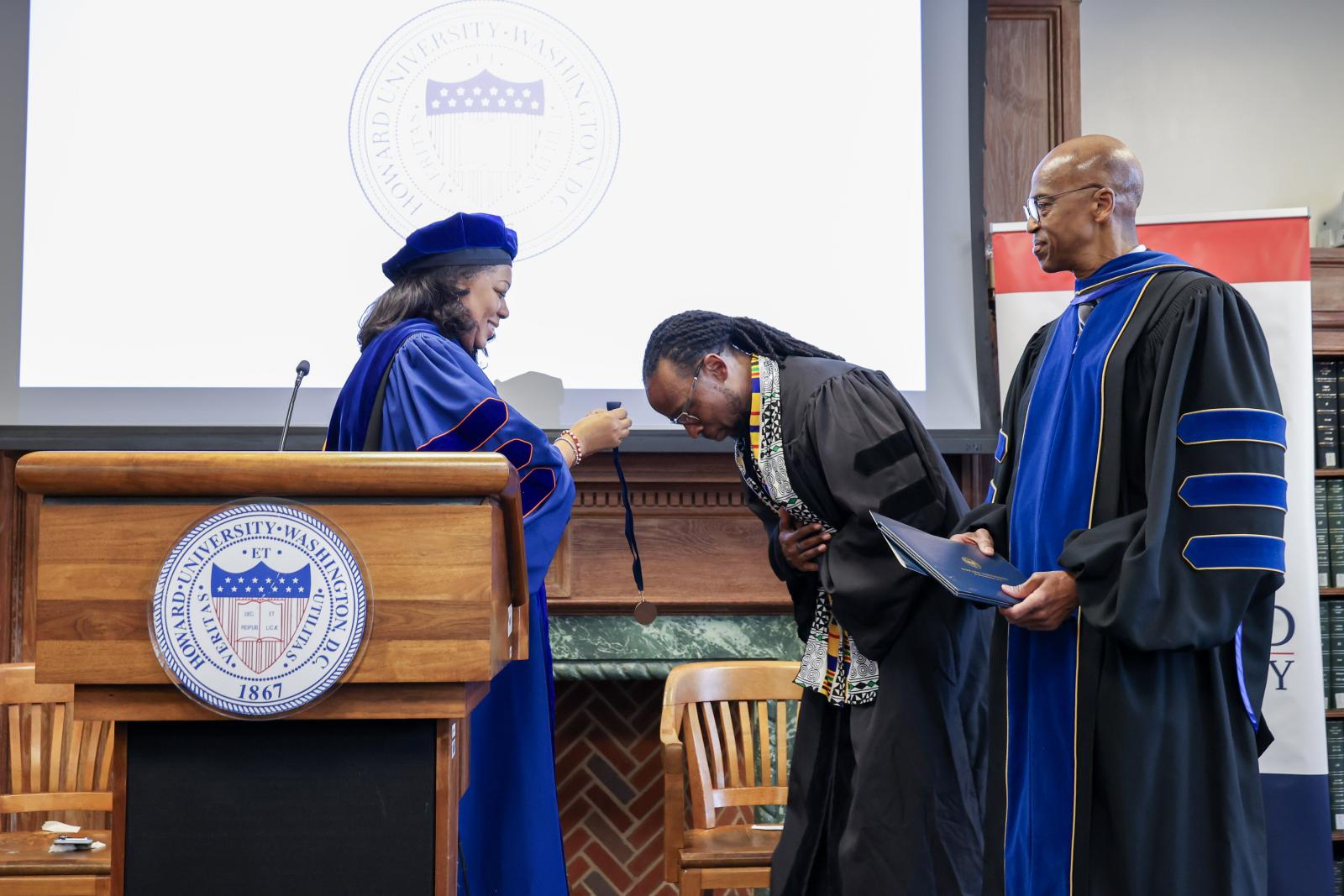
Dr. Dawn Williams, Howard’s interim provost and chief academic officer, conferred the title upon Kendi and shared the importance of the endowed chair position being named after Woodson.
“An endowed chair represents one of the highest distinction a university may bestow,” she said. “It is both an honor and a charge, an affirmation of scholarly excellence, intellectual leadership, and enduring impact. The Carter G. Woodson Endowed Chair bears the name of a visionary historian whose legacy reshaped the intellectual landscape of this country. To hold a chair in his name is to inherit a responsibility to persue the rigor, courage, and purpose.”
Featured speakers at the investiture ceremony included Dr. Benjamin Talton, professor of history and the executive director of Howard’s Moorland-Spingarn Research Center, and Dr. Karsonya “Kaye” Wise Whitehead of Loyola University. The scholars delivered remarks on the impact of Woodson’s legacy and academic contributions. Additional speakers included Michelle Evans Oliver, a preservationist and a descendant of Woodson, and Kendi’s wife Dr. Sadiqa Kendi who shared personal antidotes about the endowed chair recipient.
Kendi enlightened the audience with reflections on Woodson’s 1933 book “The Mis-Education of the Negro” and how it inspired some of his research and work.
“[Woodson] called for scholarship, for science, for scholars, for scientists,” Kendi emphasized. “Dr. Woodson called on his organization, he calls on us from Howard, from his new endowed chair to set forth facts in scientific form. This is our mission for the Institute for Advanced Study particularly as it relates to the study of racism.”
“How do we free thinking?” Kendi posed to the audience. “Our miseducation as human beings is rooted in our miseducation of history, so our education, our higher education, must be rooted in the recognition that the foundation of thinking is history.”
Keep Reading
-
 Lineage: Howard Students and Alumni
20 Years in Motion: Models Inc. Celebrates Two Decades of Fashion, Mentorship and Black Creative Expression at Howard University
Sep 14, 2026 7 minutes -
 *Accolades
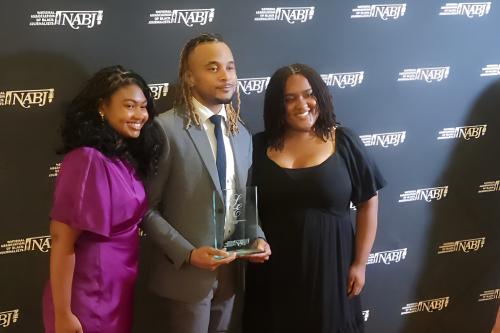
Howard University Student Journalists Rack Up Honors at Atlanta NABJ Convention
Aug 26, 2026 3 minutes -
 *Legacy and History
Howard University 9/11 Initiative Unites Students with Veterans During 3 Days of Service, Reflection and Awareness
Sep 14, 2026 10 minutes