2026 marks 100 years since the very first Black History Week, and 50 years since the inaugural Black History Month — an annual celebration we now recognize as an essential event on both our calendars and within our culture.
Howard University has produced some of the greatest literary minds in American history, including Alain Locke, Toni Morrison, Zora Neale Hurston, Ta-Nehisi Coates, and more. Before we explore a bit about these literary giants and the impact this institution made on them and their works, we first highlight a couple other treasures born of The Mecca.
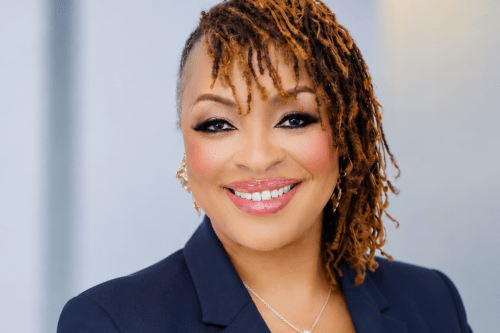
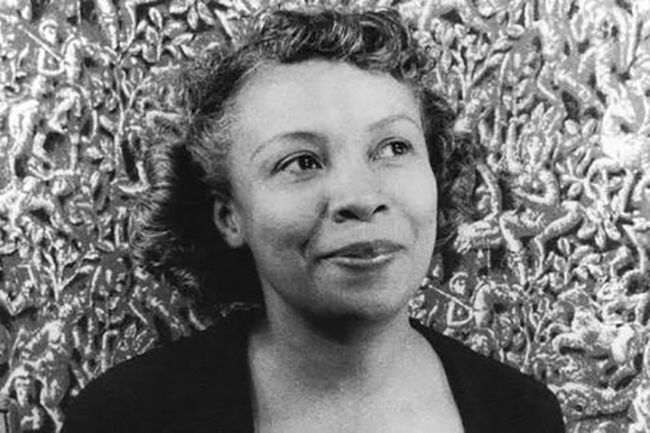
Now one of the largest collections of writing on the African diaspora in the world, Howard’s Moorland-Spingarn Research Center owes much of its status today to one woman. A lifelong book lover and writer, Dorothy Porter (B.A. ’28) began working as the university’s chief librarian in 1930. Over the next 41 years, she would lead the expansion and organization of the center (then known as the Moorland Foundation) and revolutionize how the works of Black writers, artists, and researchers are catalogued, building a permanent home for writing from across the diaspora.
Porter’s most profound contribution to library science and bibliography was her creation of a new system to organize collections of Black works. When she began her career at Howard, the Dewie Decimal Categorization catalogued all works on Black people into two categories, regardless of topic: “colonization” and “slavery.” This racist categorization system made it essentially impossible to find any records by or about Black people, an issue that would grow increasingly dire as researchers became more interested in fields such as African American and Africana studies over the 20th century and that systematically excluded Black researchers, experts, and artists from the history of their fields.
Porter created her own system, then, that would finally give proper respect to the “foundational role of Black people in all subject areas,” including “art, anthropology, communications, demography, economics, education, geography, history, health, international relations, linguistics, literature, medicine, music, political science, sociology, sports, and religion.” Among her greatest contributions to library science was her writing of the bibliography “Early American Negro Writings,” an essential survey of 18th and 19th century writings that disproved the conventional belief that Black Americans were absent from literary history.
Learn more about Porter's life and work in this Smithsonian Magazine article.
--
Now to highlight a few of the Howard alumni who contributed to the literary history Porter fought to protect.
Alain Locke
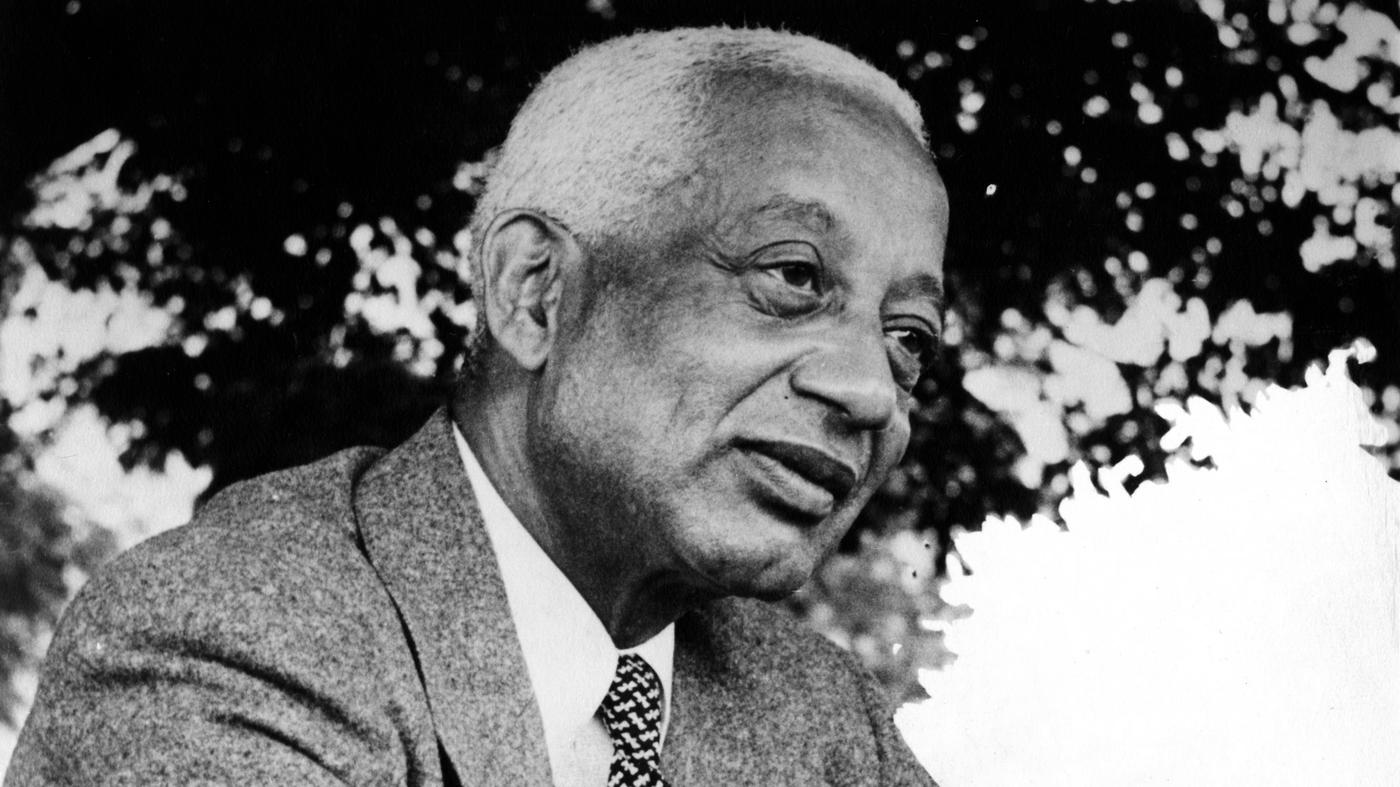
Known as the “Father of the Harlem Renaissance,” writer and philosopher Alain LeRoy Locke (Ph.D. ’1918) was a tireless advocate for Black arts and scholarship. Beginning as an assistant professor at Howard in 1916, Locke would rise to chair of the Department of Philosophy over his 35-year career at the university. Along with fighting for equal pay and acknowledgement of Black professors, Locke championed Black artists across mediums, including writers such as Langston Hughes, James Weldon Johnson, Countee Cullen, W.E.B. Dubois, Walter White, and Paul Kellog. Locke was also instrumental in the founding of the Howard Theatre Department alongside English professor Thomas Montgomery Gregory, helping to establish a program that would go on to have a profound impact on the Black theatre tradition. Perhaps his most lasting work, however, was “The New Negro,” published in 1925. Locke edited the anthology of fiction, poetry, essays, along with writing the titular essay, in which he argues for Black people to interpret their own history and culture, rather than having it be interpreted for them, writing “So far as he is cultural articulate, we shall let the Negro speak for himself.” The book was a groundbreaking work on Black artistry and philosophy that continues to be debated by scholars today.
Learn more about Locke's contributions to Black theatre in this Howard Magazine article.
Toni Morrison
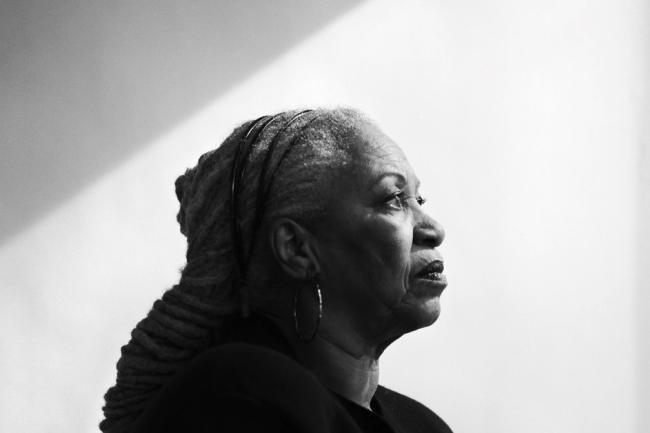
It is difficult to overstate Howard University alumna and professor Toni Morrison (B.A. ’53, H.D.L. ’95)’s impact on modern literature. Across novels, nonfiction, poetry, and plays, Morrison set a new standard for writing about the African American experience, her work providing heart-wrenchingly poetic views into the lives of Black people, particularly Black women and girls. Rejecting the assumption of white readership, from her earliest novel “The Bluest Eye” to her last, “God Help the Child,” Morrison centered the pain and beauty of Black lives throughout history. Over the course of her life, she received a Pulitzer Prize for her 1987 novel “Beloved,” as well as a Nobel Prize in literature in 1993.
Along with being a writer, Morrison was also a prominent literary editor, working for over a decade as a senior fiction editor for Random House, and was also active in theatre as both a student and professor at Howard.
Read about Morrison's time as an editor and her experience in Howard's theater scene in this Howard Magazine article.
Zora Neale Hurston
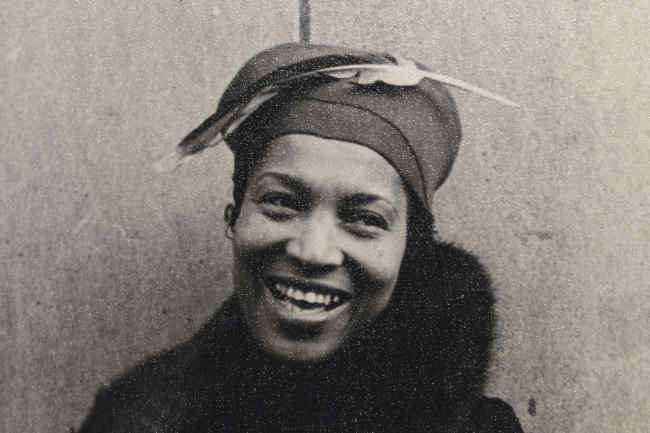
One of the most prolific and polarizing writers of the Harlem Renaissance, Zora Neale Hurston (A.D. 1920), much like Morrison, was unconcerned with the white gaze. Through her work, including the classic novel “Their Eyes Were Watching God,” she centered complex inner lives of her Black characters in their totality, delving into the traditions, culture, religion, and communities that shape them, leading to stories that feel intensely lived-in. Though Hurston was largely ignored in her own lifetime, a 1973 article by novelist Alice Walker reignited interest in her work, and she is today properly remembered as one of the most daring female writers of her era.
Hurston cared deeply about Black culture across the diaspora, and was a cultural anthropologist for many years. Through her field work, she chronicled both the folktales of Deep South communities and the Hoodoo and Vodou traditions of Haiti and Jamaica. Her legacy at Howard can be felt every day, particularly through The Hilltop, which she co-founded in 1924 — laying the groundwork for the first and longest-running HBCU student newspaper in the country.
Learn more about Hurston's life in this recent deep dive on The Dig.
Ta-Nehisi Coates
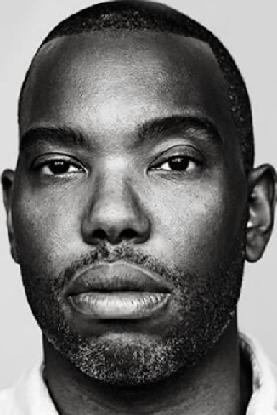
Recognized as one of the nation’s foremost cultural thinkers, novelist, essayist, and journalist Ta-Nehisi Coates attended Howard from 1993 to 1997. After leaving the university, he began working as a reporter, eventually becoming a national correspondent for The Atlantic from 2008 to 2018. Throughout his career, Coates' essays have directly confronted a broad range of topics within society, ranging from police brutality to reparations to the politics of professional sports to the Israel war in Gaza. His books provide even deeper explorations of these topics while revealing more of his lyrical, personal style. 2015’s “Between the World and Me” — written as a single letter addressed to his teenage son — stands out in particular as an essential, searing examination of the totality of racism in American history and culture, earning Coates the National Book Prize and prompting Toni Morrison to say he had “filled the void” left by James Baldwin.
Though he didn’t earn a formal degree from Howard, Coates has long-maintained close ties to the university, and even now serves as the Sterling Brown Endowed Chair in the Department of Writing and Literature.
Read about Coates' latest book, 'The Message,' in this article from The Dig.
Keep Reading
-
 Lineage: Howard Students and Alumni
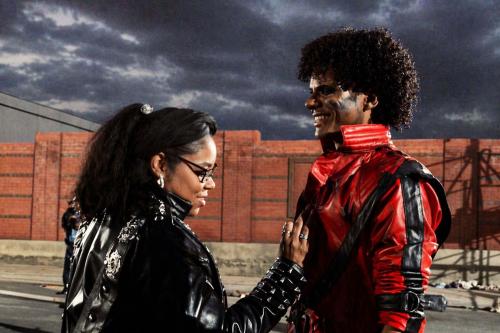
Who’s Bad? Howard University Alum Marci Rodgers, a True Thriller as ‘Michael’ Movie Costume Designer
Jul 16, 2026 8 minutes -
 Epiphanies, Discovery, and Research
Howard University Professor Lemir Teron Examines Environmental Justice
Jul 22, 2026 4 minutes