

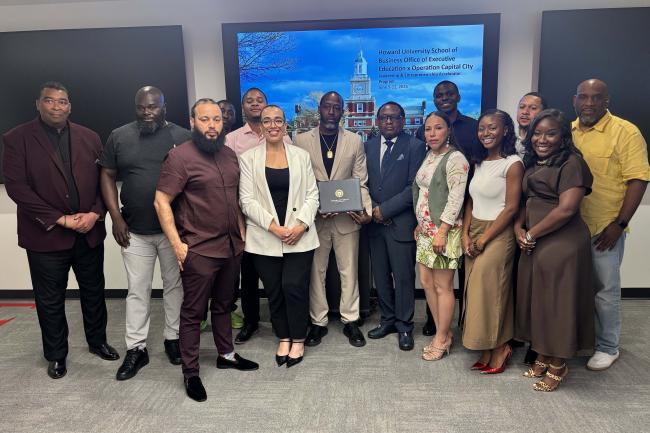
Howard University’s School of Business is strengthening its commitment to community partnerships with its inaugural accelerator program that’s assisting formerly incarcerated citizens with strengthening their business skills and acumen.
Last month, the School of Business’ Office of Executive Education partnered with non-profit organization Operation Capital City for its Leadership and Entrepreneurship Accelerator Program, a four-day intensive program for justice-impacted individuals designed to transform lived experience into leadership skills, entrepreneurship, economic mobility, and community impact. Nine participants took part in the accelerator program’s inaugural cohort where they learned about leadership development, artificial intelligence applications, financial management, professional branding, resilience training, and capstone project development.
Kim Wells, executive director of the Office of Executive Education, partnered with Operation Capital City’s Founder and CEO Omar Aikens to develop the program, which took more than a year to come to fruition.
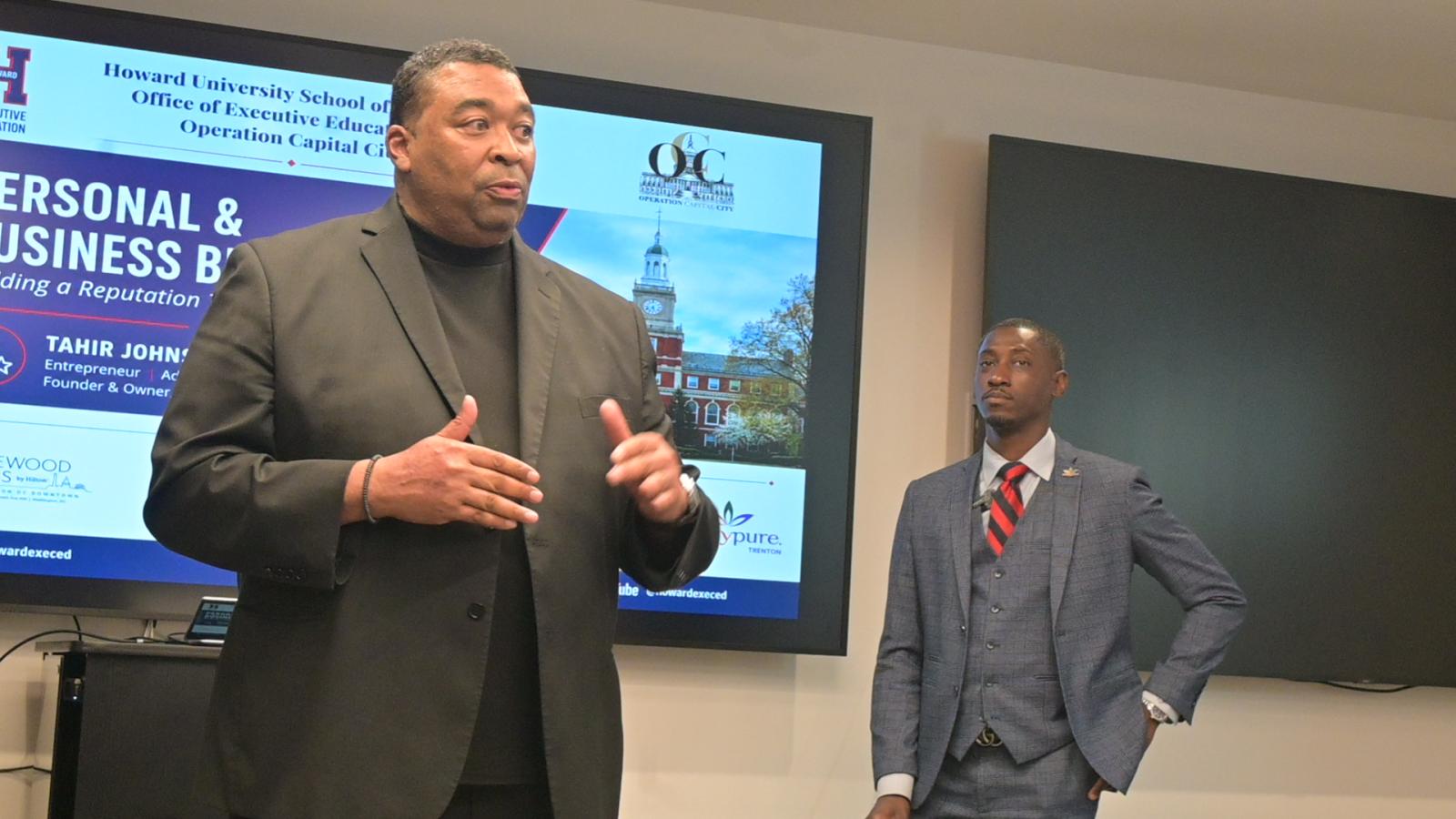
“We help a lot of people at every level … we knew we needed to do more in our community to help our people that’s both here in Washington and across the nation,” said Wells. “Look at the world and look at some of the top executives and entrepreneurs. They don’t always come from traditional backgrounds. When I met Omar, we talked about it and he had a curriculum. We put our Howard magic on it, and we came up with something special.”
Creating Business Pathways for Returning Citizens
Aikens started Operation Capital City, based in Trenton, New Jersey, to create pathways to opportunities for returning citizens (formerly incarcerated individuals reintegrating into society) and their families. The Trenton native said that the inspiration for starting the organization stemmed from his own experience as a returning citizen trying to start his life anew after he served more than 15 years in prison.
“I saw that we [returning citizens] kept coming back to jail, we had a lot of excuses,” he said. After returning home from prison, Aikens changed his path and leaned into his entrepreneurial spirit, helping other returning citizens in the process.
“They always say the older generation didn’t leave us with anything, so I took the initiative to be one of the older generations to leave something,” said Aikens. “I didn’t think I would be on any college campus. Howard is The Mecca, so for them to partner with me and believe in what I have going on, that’s big. That means something about the university that they do believe in second chances and working with people with second chances.”
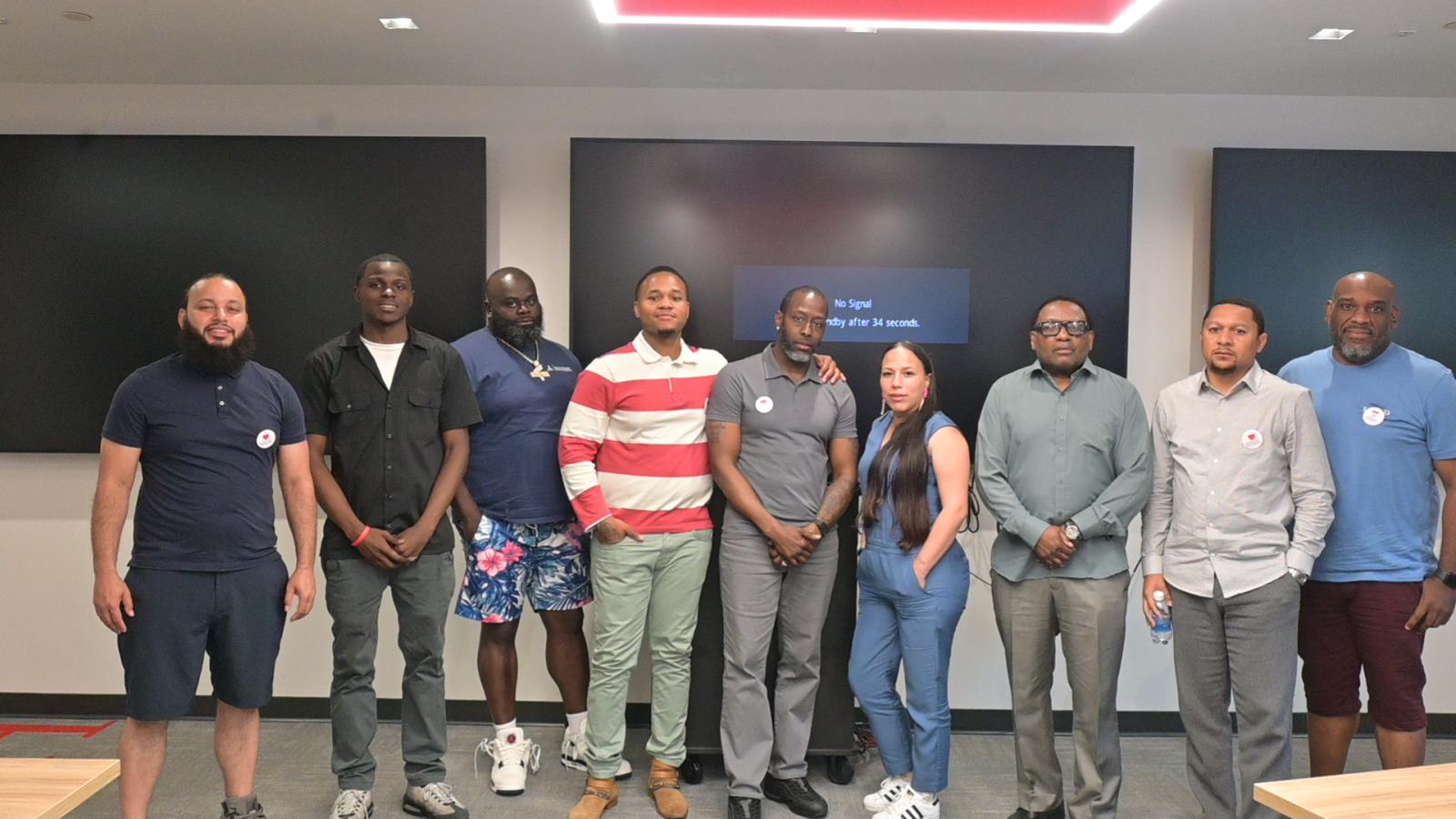
Aikens brought his idea of creating a business program for returning citizens to life with the launch of the Leadership and Entrepreneurship Accelerator Program. The program, which took place Jun. 9-12 on Howard’s campus, was a hands-on learning opportunity that equipped participants with key skills on how to develop and present their business plans. The accelerator brought together aspiring entrepreneurs, community leaders, and changemakers who overcame their involvement with the carceral system and are committed to building businesses, strengthening communities, and creating opportunities for others. The inaugural cohort included Anton Barnabela, Ray Boyd, Edward Collins, Miquia Delvalle-Davis, Jamel Gettes, Kamau Johnson, Raymond Latimer Jr., Daniel Morgan, and Marques Palmer.
At the end of the four-day program, participants completed capstone presentations where they presented their respective business plans to a panel of judges. Kamau Johnson earned the highest score amongst all participants on his presentation about his business initiative called A New Day, a supportive transitional housing residence for returning citizens. The program’s youngest participant, Jamel Gettes, earned the second-highest score in the presentation competition on his business idea WearForward, an affordable upcycling streetwear brand.
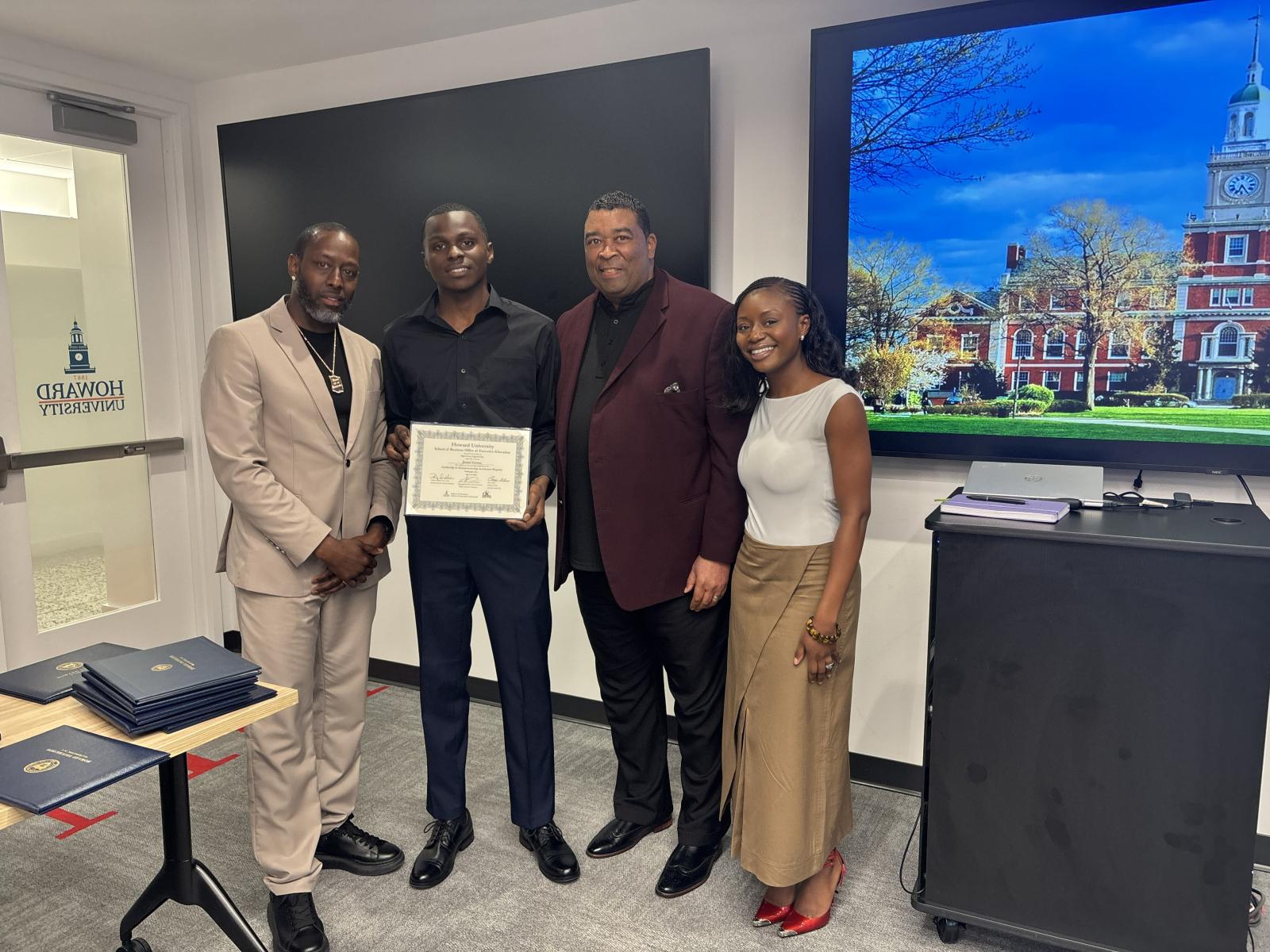
“I feel honored and I feel good to be around important people and seeing a lot of opportunities knowing that it’s other things out there for me,” said Gettes, a native of Brooklyn, New York. He added that the program was instrumental in “helping me figure out the ins and out of business, things I wasn’t thinking about before, and things that can come into play way down the line that I’m not even thinking about right now. They are really giving me the blueprint.”
Fellow participant Raymond Latimer Jr. credits the accelerator program for educating him on the basics of building a business.
“It’s a lot of information that we are not able to find out because … we have been trained that that’s not for us,” said Latimer. “It’s broadening our eyes and our brains to understand that if we choose to look and jump outside the box, we can find that information.”
Miquia Delvalle-Davis, who’s business goal is to develop and implement a re-entry curriculum for other women who are returning citizens, shared that the program is helping her to be heard.
“So much information has been downloaded, from branding to finances to overall structuring your business from the beginning to the end,” she said. “We got a lot in a little bit of time.”
A Crash Course in Storytelling and Branding
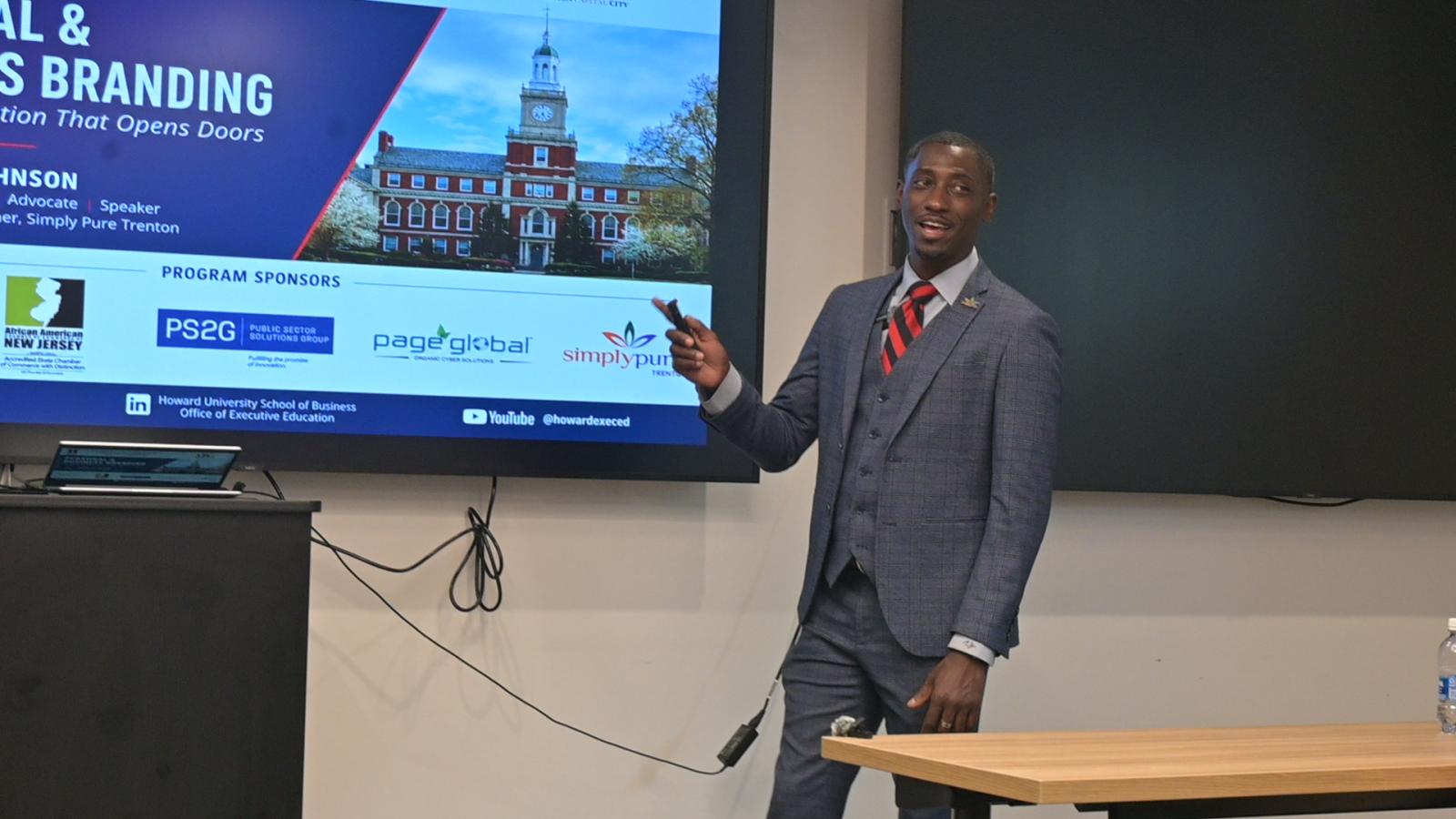
During the accelerator program, participants were also joined by the program’s sponsors who shared guidance and resources on how the group could launch and grow their businesses. Former Howard School of Business student and program sponsor Tahir Johnson educated participants on how they could strengthen their personal and business branding. Johnson is the founder and owner of Simply Pure Trenton, New Jersey’s first Black-owned recreational dispensary. He shared his story of how he transitioned from his career in finance to being a thriving business owner, all with the help of what he learned at Howard.
“One thing you always heard from Howard is how to hustle, grind, and how to navigate situations,” said Johnson about his time as a marketing student at the university. “You’re always learning how to build your brand. I learned how to walk into a room and tell [my] story in a concise way and being able to do it on different platforms.”
Johnson also candidly opened up about his experience of being arrested several times before starting his business. He reminded participants that “your past does not have to determine your future. Setbacks, challenges, mistakes, and barriers, they’re all there to help you out because that experience can make you stronger.”
Program sponsor Dr. John E. Harmon, president and CEO of the African American Chamber of Commerce of New Jersey, shared his story of how he worked his way up to being the CEO of the only U.S. Chamber of Commerce-accredited chamber in the state of New Jersey. He also enlightened participants with gems of knowledge on how to be successful business owners.
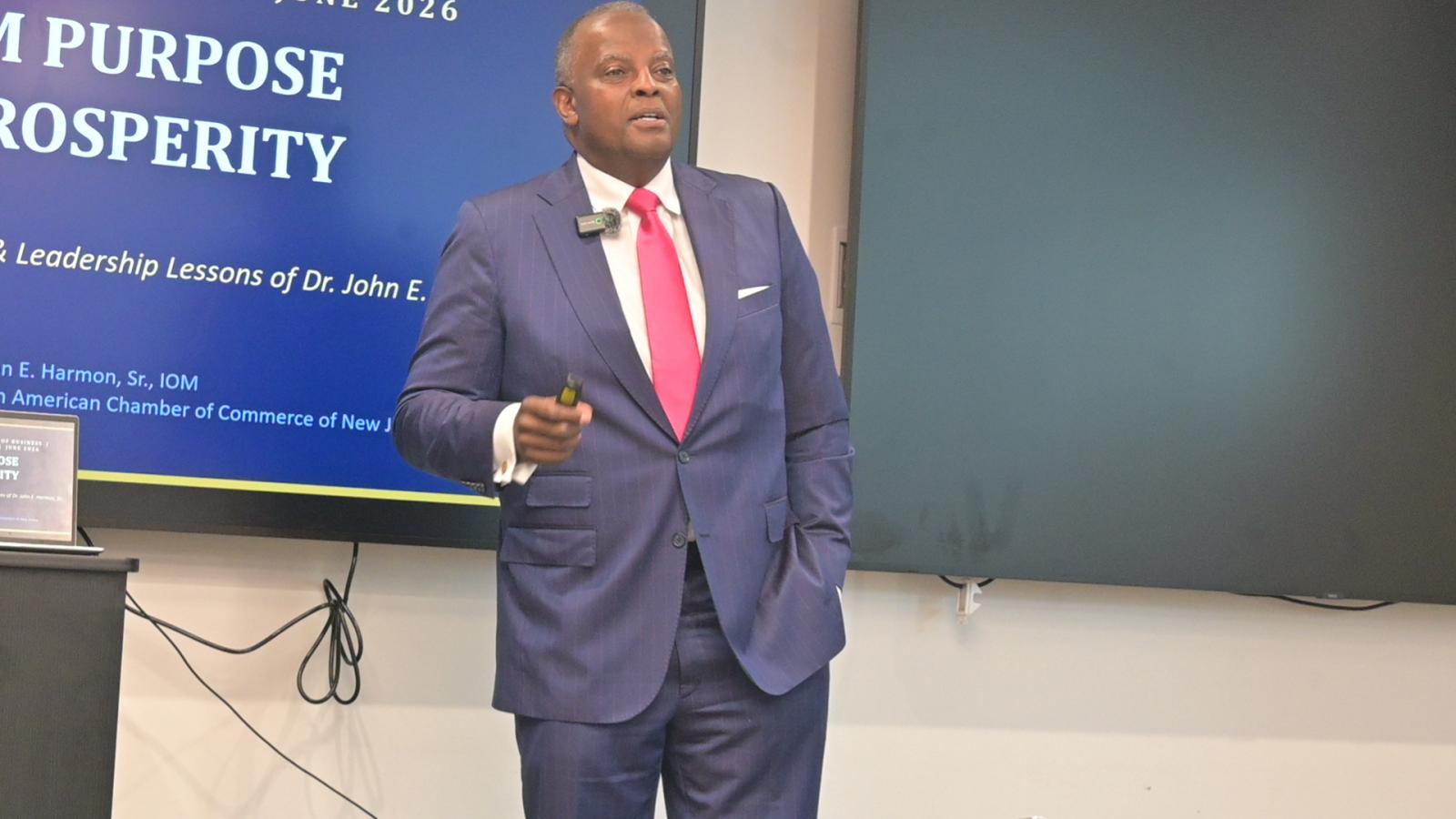
“Where you start does not totally determine where you’re going to ultimately end up, but the experiences that you have during your journey in life can position you to be recognized,” Harmon said. “There’s always opportunities for those who provide solutions and address a need properly.”
Other sponsors of the accelerator program included Alyssa Rodgers, director of sales at Homewood Suites Washington D.C.
Fatou Sow, program manager for the Office of Executive Education and adjunct lecturer in Howard’s School of Communications, also assisted with coordinating the accelerator program.
Reflecting on the program’s success, Sow noted that “It’s been beautiful to see the impact that we’re making.”
Keep Reading
-
 *Accolades
Howard University CEA Professor Sonya Smith Elected to AIAA Class of 2026 Fellows
Sep 28, 2026 3 minutes -
 Legacy and Lineage
Howard University Honors Retirees, Inaugurates Academic Year at 159th Opening Convocation
Sep 25, 2026 6 minutes -
 *Change Makers
Howard University Trustee Arne Duncan’s Anti-Gun Violence Organization Takes the Spotlight in Documentary
Oct 2, 2026 6 minutes