

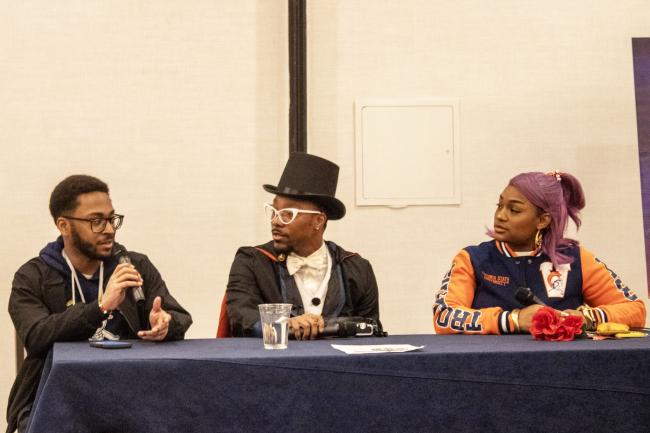
Howard University alum Alvin Hannon (B.A. ‘20) recently moderated a panel at Blerdcon 2026, an annual convention dedicated to highlighting Black nerd (blerd) culture. Hannon intended to inspire young Blerdcon participants to attend HBCUs with his panel discussion “Finding Place, Space, and Purpose: A Discussion on the HBCU Experience.”
The discussion, which took place on Saturday, March 7, also featured two panelists from Virginia State University, an HBCU in Petersburg, Virginia. Hannon’s panel stood out among the many other panels and activities that happened at Blerdcon that day. The majority of programming comes from the community, and typically focuses on anime and popular culture, with a mix of other fun, or educational, or even socially conscious panels. And of course there are cosplayers everywhere.
Events from that day ranged from anime panels and screenings, a talk on Afrofuturism, to creative methods for productivity, as well as a party and DJ booth that felt like the vibrant heartbeat of Black culture throughout the weekend-long convention. Blerdcon, based in National Landing, Virginia, was founded in 2017 and is continuing its mission to amplify Black nerd culture. In recent years, celebrity guests that have appeared at Blerdcon included rapper and producer Redman and singer, songwriter, rapper, and actor Janelle Monáe.
Hannon began attending Blerdcon during his time as a Howard student, starting his junior year in 2018. That year, he attended a session about video game history, led by Javon Goard, independent video game researcher and now director of B.L.A.D.E., Blerds Learning and Advancing Diversity in Education, the educational programming arm of Blerdcon that was formally launched in 2024. Goard’s focus on Gerald “Jerry” Lawson, a Black engineer who led the development of the first home console with interchangeable cartridges, stayed with him. Lawson is the reason why you can switch out a game cartridge whenever like, and he’s also the reason you can press the pause button on your favorite video game.
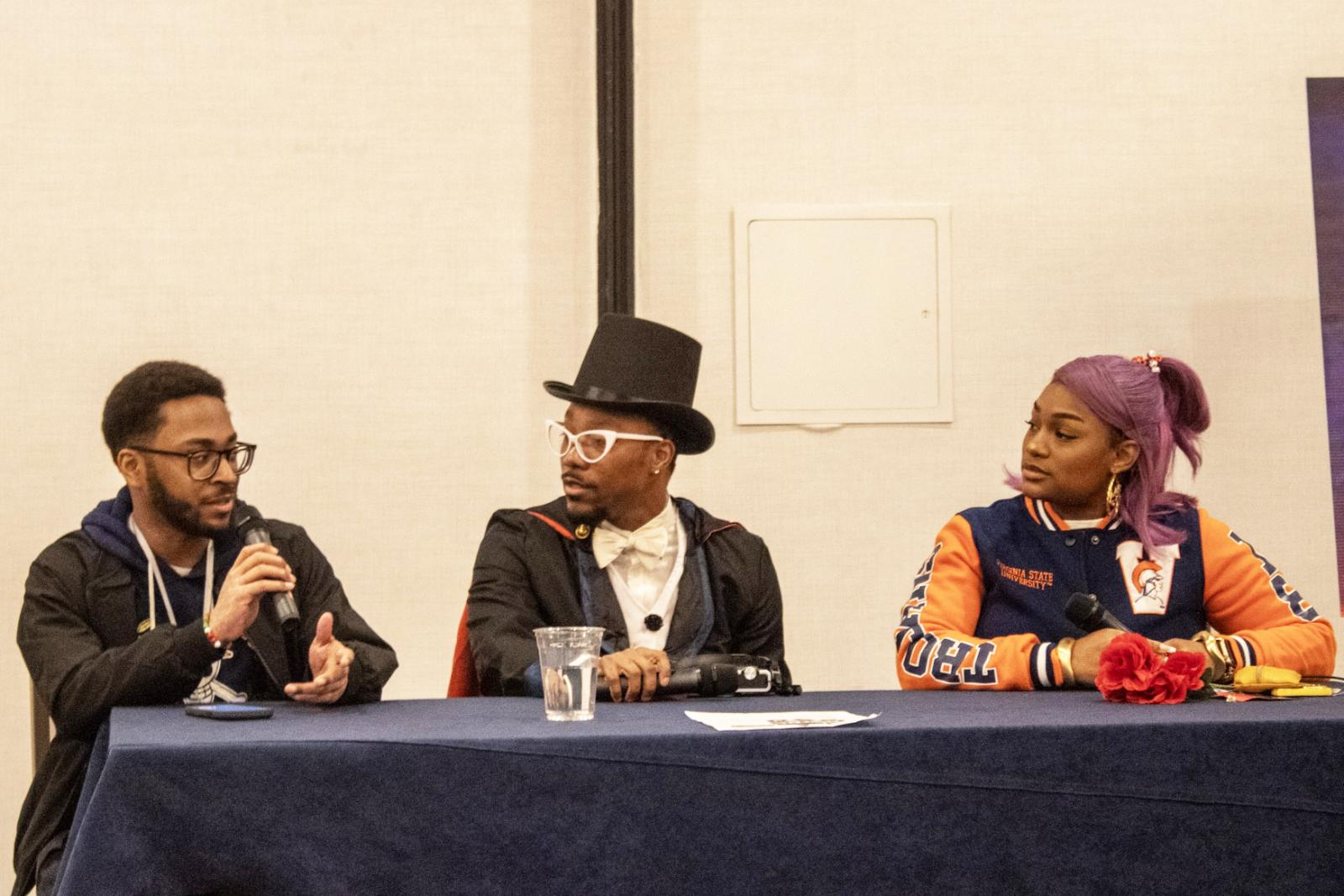
That panel inspired Hannon. At Blerdcon 2025, he was recruited to be a co-founder of B.L.A.D.E. and served as a panelist for “Educators, Anecdotes of Faith, Hope, and Love in the Fight for Educational Equity,” which was a year in the making. Following the 2026 Blerdcon panel on the HBCU experience, Hannon, who is now the associate director of B.L.A.D.E., Goard, and others visited students at Thurgood Marshall Academy, a high school in D.C., to continue their educational outreach.
Hannon majored in Urban Elementary Education and that Howard experience motivated his career journey.
“Even when it came down to the panel, I felt as though that I could design my answers in a way that could speak to my experiences, not only as a Howard alum, but myself as a teacher currently, and how Howard prepared me to become an equitable educator,” he said.
What Is a Blerd?
Hilton George, founder and CEO of Blerdcon, is an HBCU graduate of North Carolina Central University and a member of Alpha Phi Alpha Fraternity. George envisioned Blerdcon as a way to devote an entire convention to Black nerdom.
“Our experience has been very unique, because, on one hand, for instance, you know you're giving up your cool card by being a nerd,” said George. “That comes with the territory. But it's only the blerd that's being asked on a lot of occasions, not just to give up their cool card, but their Black card. Resolving the dichotomy between our intercultural discrimination with nerdom, as well as the overall cultural marginalization of nerdom has been unique to us.”
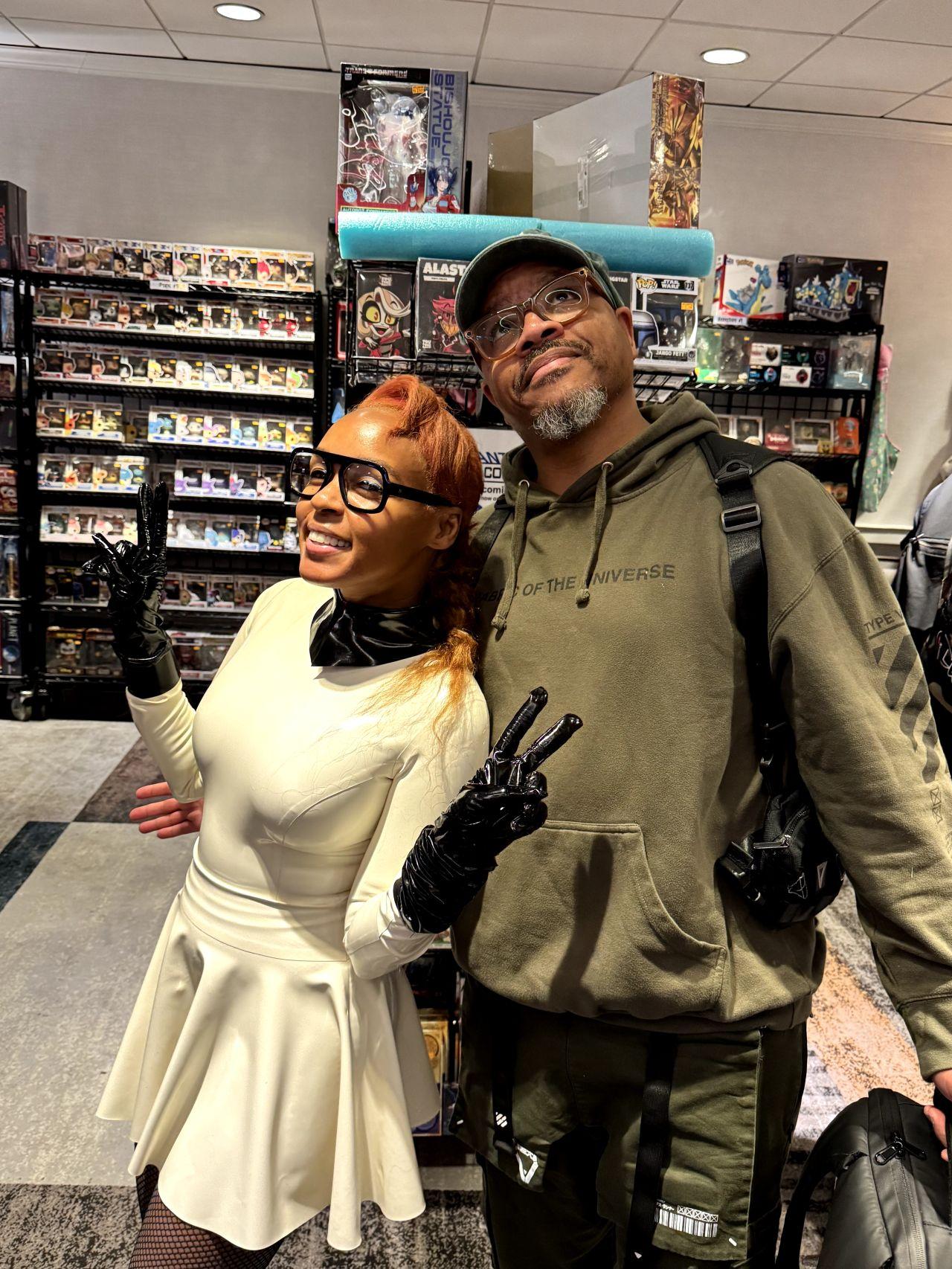
Another thing George said is unique to blerd culture is the expressed connection to fandom.
“I think a blerd is someone who not only enjoys the same fandoms that you could attribute to any nerd or nerd group, but we’re the only ones that I think can be seen to demonstrably express ourselves through the fandom.”
Cosplay is a strong example, George added. Blerds inject themselves, their personalities, ethnicity, and their Blackness into cosplay too. “You can see so much of who we are through our activation in our fandoms and that’s unique to Black nerds,” George said.
How does Howard’s values of truth and service and the overall culture of HBCUs connect to a nerdy convention? It’s less surprising than most would think to hear of advocacy, education, empowerment, anime, pop culture, and research all being interwoven into a single blerd experience. Blackness is not a monolith, and neither are nerds. The term “blerd” leads many people today to think only of Black people who mostly enjoy anime or video games. Who is defining this? Why does defining and supporting blerds matter?
It’s generally accepted that the term “blerd” originated in the late 90s and early 2000s as awareness of Black nerd culture began to spread — think big red glasses and suspenders-wearing Steve Urkel from the popular TV show “Family Matters.”
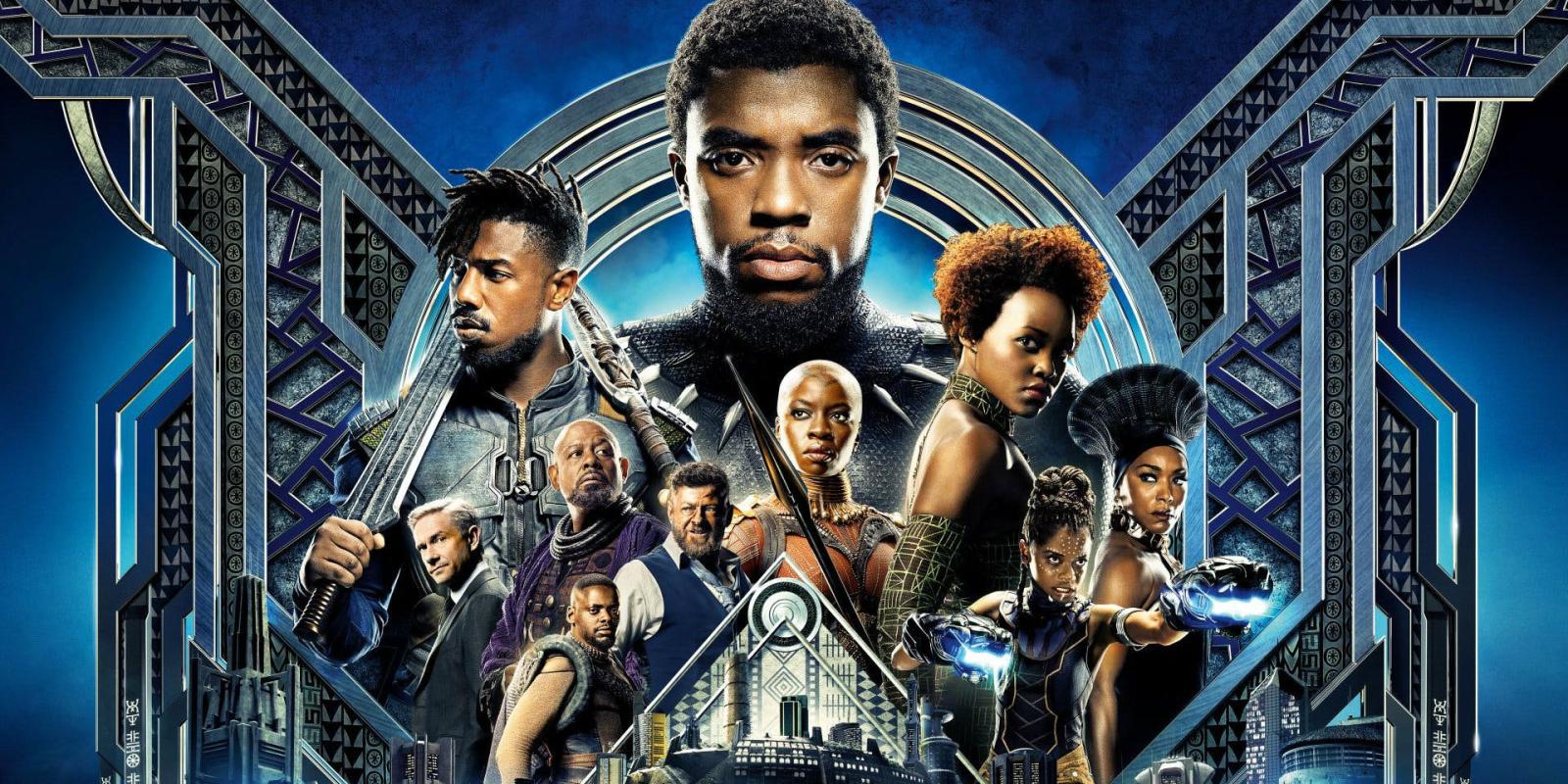
The identity of a nerd has transformed as acceptance for nerd culture has become more widespread. It’s more mainstream to enjoy a Star Wars series like “The Mandalorian” or your favorite Marvel movie like Black Panther, starring the late Howard alum Chadwick Boseman (BFA ‘00). The movie helped push Black nerd fandom further into popular media. The face of blerds as we once knew it has changed.
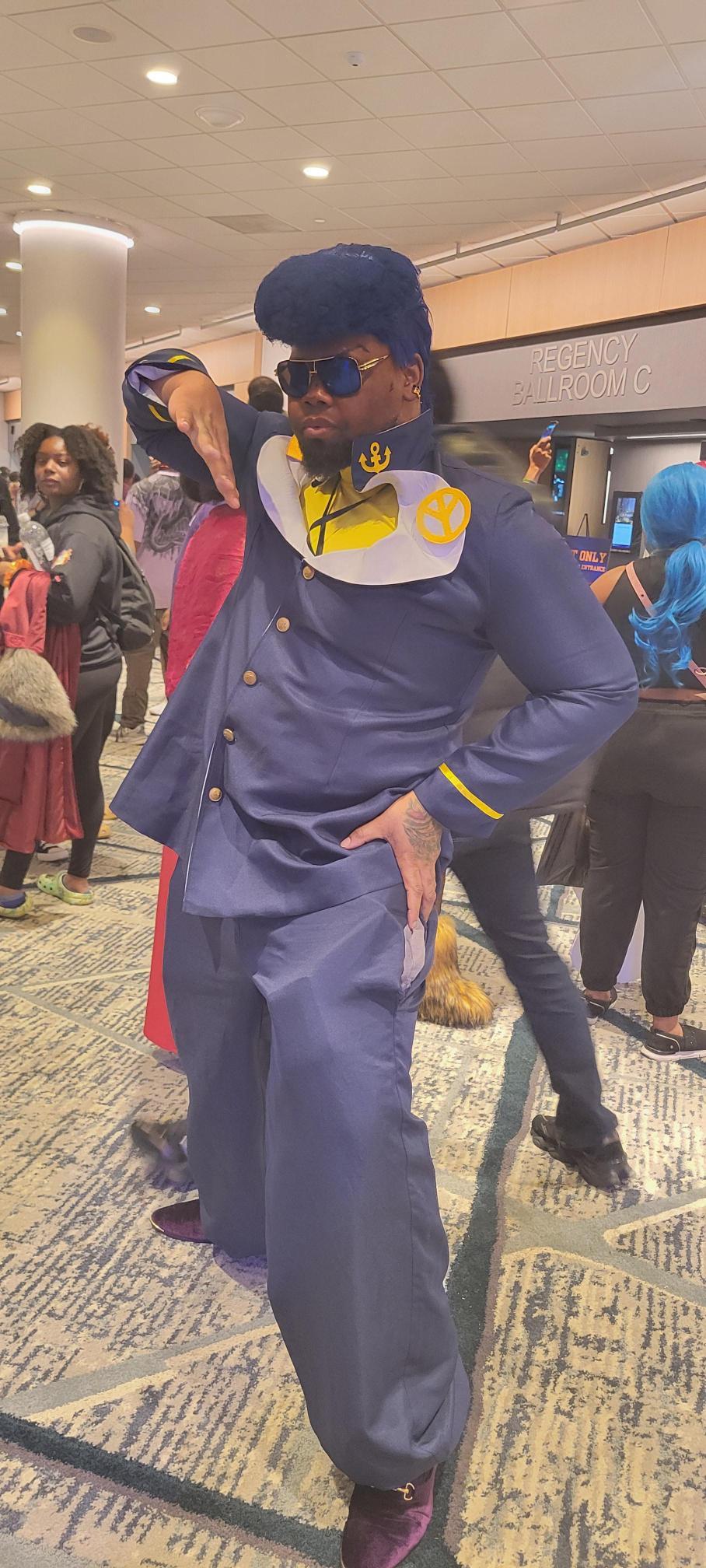
What do nerds look like today? Beyond things like anime, manga, card games, cosplay, and video games, there are even more forms of nerdom, of which blerds also actively and seamlessly engage in, especially online. Fandom (whatever books, movies, games, shows, anything people are fans of) has spawned almost an entire industry of artists creating things for fellow fans in a for-us-by-us model.
Popular online content creators are familiar to most, of which includes video game streamers; machinima artists (animated shows, often on YouTube or TikTok that include sprites from video games); animated music video creators (think the regular AMV contests at anime conventions); song parody artists on YouTube; fashion designers who may even sell their digital artwork on clothing items; artists who specialize in creating character illustrations for independent authors; or gamers who want their beloved player characters, or Dungeons and Dragons characters illustrated. Nerds also write or create webcomics on popular platforms like Wattpad and Webtoon, and there are Black zine authors who have independently published for generations. Black zine culture has self-empowered, self-published roots dating back to the Harlem Renaissance of the 1920s.
Nerds can get into anything they want, really. They are also in the sciences and math, art, tech, fitness, sports, wrestling, museums, acting, and dancing. They are musicians. These days, more and more people seem to realize that nerds are everywhere.
Being a Blerd Is a Unique Personal Experience
Regarding his own blerd experience, Blerdcon’s Goard chose to combine his research about video games with Black representation and identity.
“My sense of being a blerd developed over time with an appreciation of geek and nerdy things,” said Goard. “But it also came at the expense of acknowledging that there were just some people who just did not understand why I was into it. If I wanted to be a part of the geek and nerdy spaces, I also had to accept that there [was] going to be some pushback from individuals who also look like me, who come from the same neighborhoods as me. But I had to choose, do I succumb to the pressure and just put down the Yu-Gi-Oh! Cards, put down the video games, or do I resist? Because I believe that it's still a part of my own self-expression. I decided to go with my own self-expression, so I kept going.”
If you’re hungry to know what a video game researcher focused on Black representation would recommend you play next, Goard recommends “South of Midnight” (available on Xbox last year). It features a biracial protagonist named Hazel, a weaver (a magic user) who untangles trauma in the physical realm in the modern-day American South. Pay close attention to sound, cultural, and historical references, such as references to the Underground Railroad. “Relooted” (on PC, Xbox) has an Afrofuturistic vibe, and the player’s goal is to reclaim stolen artifacts from the museums that are using loopholes to avoid returning these objects to their cultures of origin. Goard is also researching “Assassins Creed: Shadows,” looking at a Black samaurai character named Yasuke who is based on a real historical figure who lived in Japan.
Kenton Rambsy, associate professor of African American literature and a data storytelling specialist in Howard’s Center for Applied Data Science in Analytics, considers himself a blerd and said the effort to conceptualize Black nerds is a reclamation project. He pointed to how rappers such as Lupe Fiasco and Kendrick Lamar and his Black Hippy collective (songs like “Cartoons & Cereal,” “Pineal Gland,” and notably “Illuminate”) explained how Black nerds are different from white nerds.
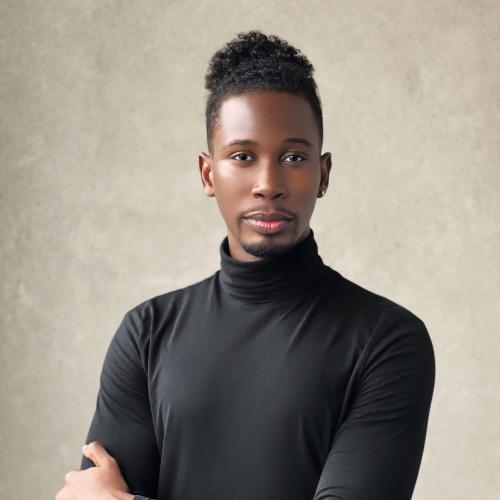
“I love the idea that this is the reclamation where we're claiming the identity and showing what it actually looks like in its various manifestations,” said Rambsy.
He also pointed out that the character Huey from the comic-turned-animated series “The Boondocks” is a recognizable example of a blerd in popular media. Huey was into martial arts, Star Wars, and was also grounded in what Rambsy called the “material conditions” of the Black community, such as an awareness of poverty. Steve Urkel was a way of parodying white ideas of a nerd, Rambsy explained. Looking back now, Huey is very different from Urkel.
Rambsy’s research is very blerdy indeed. He uses data to help perform literary analysis of various media, which includes using rap songs by artists such as Jay-Z. Rambsy uses Tableau, a visual analytics platform, to capture instances of allusions and metaphors in song lyrics. Rambsy likes to introduce his English students to data analysis in this way, bringing everything together in the digital humanities field.
How Does Howard Support Black Nerds?
Defining what a blerd is and supporting blerds matters because it helps create needed sanctuaries. In today’s social climate, Black cosplayers oftentimes experience criticism for dressing up as their favorite characters who may be canonically non-Black. Blerds are also sometimes misunderstood and mischaracterized. These negative experiences are why blerds need a safe space.
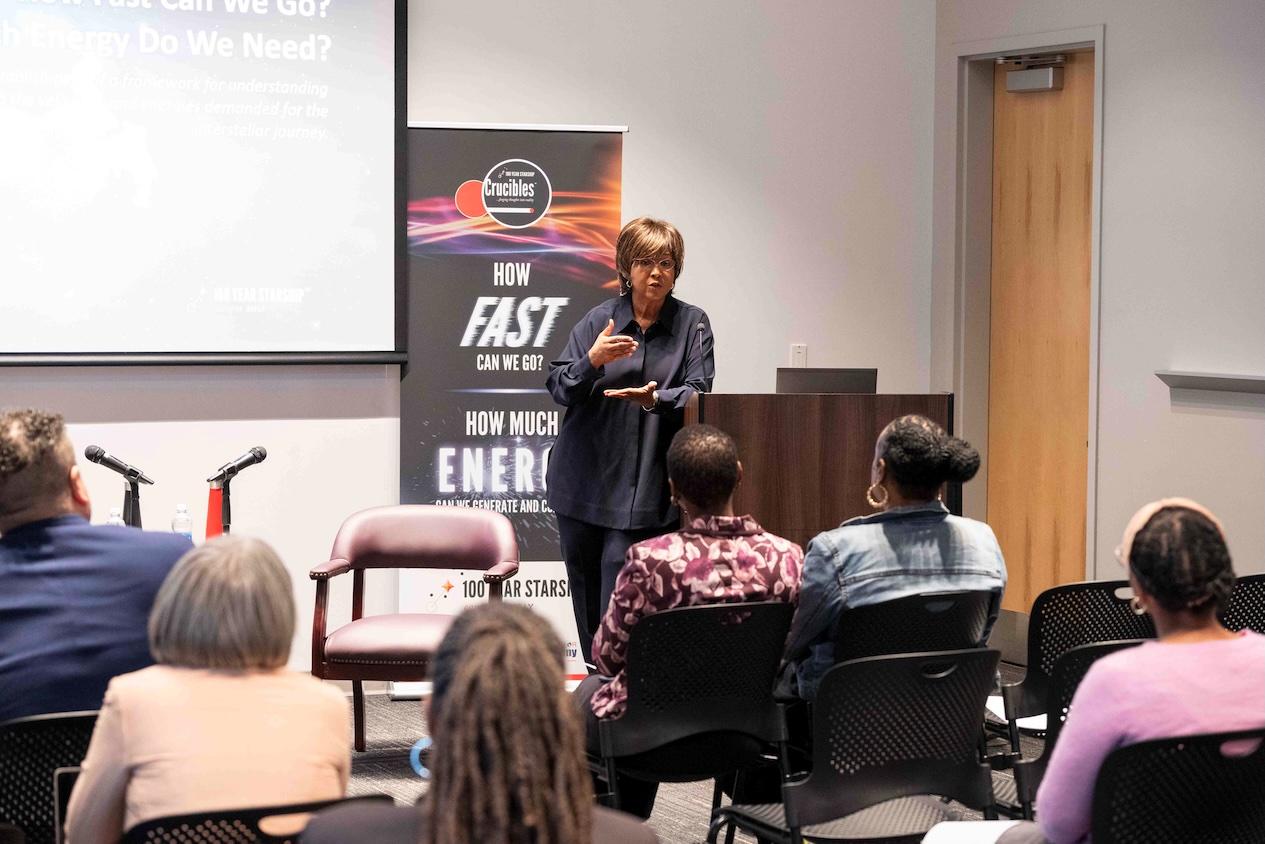
Empowering Black nerds is nothing new to Howard. An intentional form of blerd support can be found in dynamic university events that expose students to a gamut of famous artists, changemakers, and scientific pioneers such as astronaut Dr. Mae Jemison. She took part in the “How Fast Can We Go?” panel about interstellar travel during Howard’s 2026 Research Month event series. Jemison could easily be considered the first lady of blerds. It is widely known that her love for Star Trek eventually guided her career to outer space, among the stars.
And then, there’s the quiet storm that is the new graphic novels section in Howard's Founders Library. With this modern, independent, and sometimes happily weird art form proudly displayed in the distinguished space, any blerd seeking reprieve from relentless normalcy who steps into this sanctuary would instantly be put at ease.
Del Hornbuckle, executive director of university libraries at Howard, was inspired to establish the reading room dedicated to graphic novels, not only because they’re a fun part of popular culture as the latest iteration of comic books. Graphic novels can be a launchpad teaching tool. Similar to Rambsy’s literary and cultural data analysis of Jay-Z’s works that may inspire a student to go deeper into data science, graphic novels directly engage the imagination with artwork first. It then draws students into a variety of concepts, from math and science, to a history of rap music.
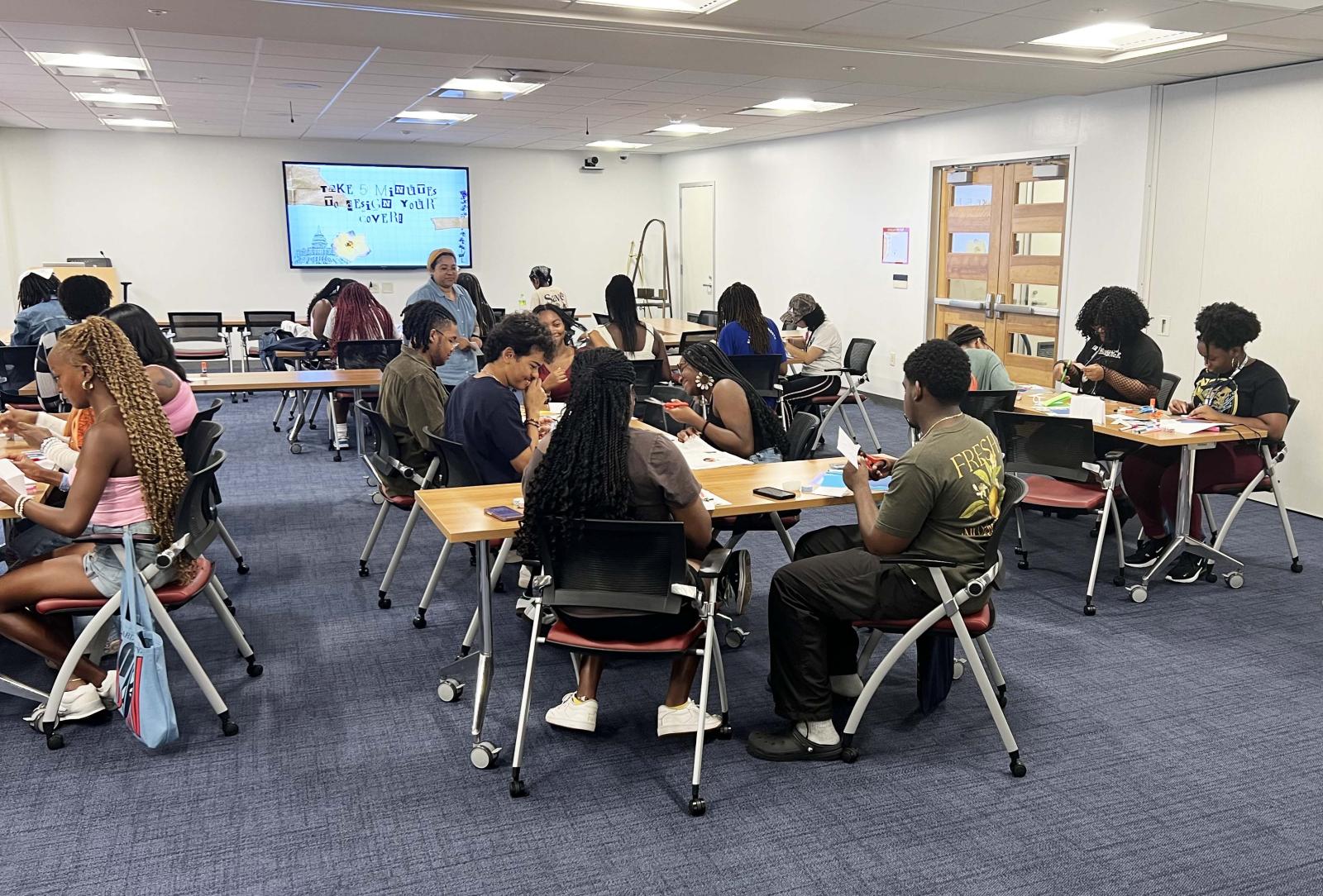
Hornbuckle hosts a popular scrap book zine workshop during the university’s annual Bison Week event that students love. It’s their chance to interact with physical media, such as clip books and magazines, to tell their stories. For blerds and the wider campus community, even more respite can be found in Howard’s Innovation Hub that includes a 3D printer and a spot to unwind and play video games.
Howard Blerds: The Next Generation
Noah Greene (B.A. ‘26), recent president of the Howard Anime Club, majored in film and is an aspiring director. Being a fan of Japanese anime like “Naruto” inspired his style of storytelling.
“It’s a cartoon, but the subliminal messages that ‘Naruto’ has can lead you to the right path,” said Greene.
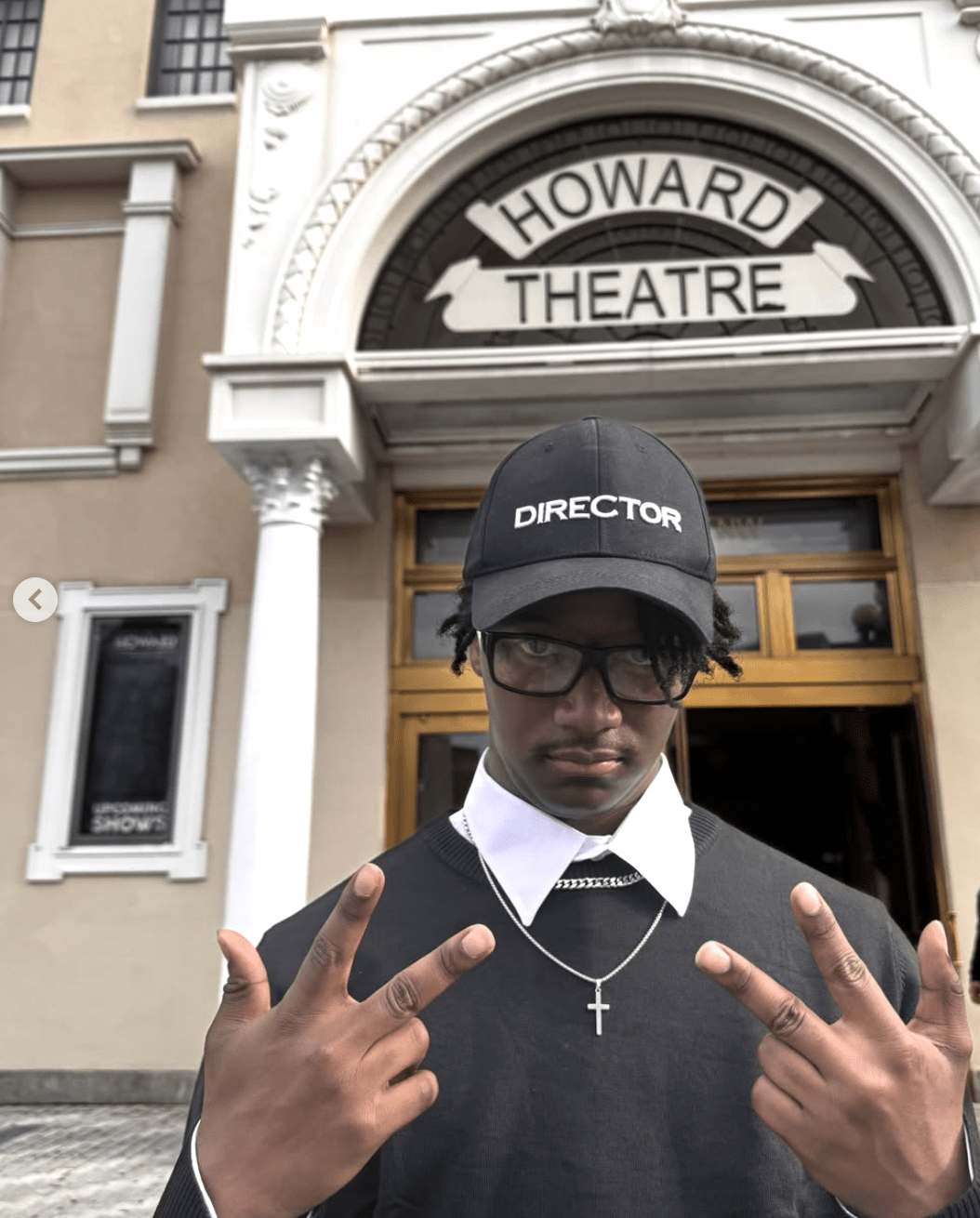
He’s writing his own manga entitled “Souls Laid to Rest,” a dark fantasy action story heavily inspired by shows like “Jujutsu Kaisen” and “Bleach.” The manga is about a protagonist who is an anomaly balanced between divine and oni (demonic) energy types, seeking to find his place in the world and discover who he truly is. Slow burn character development is Greene’s thing, saying, “When we encounter characters, we don’t know anything about them. Anime takes you along that journey, to find out why they do what they do.” As a 2026 Entertainment Industry College Outreach Program finalist, he must certainly be onto something.
Greene was delighted to share the anime club’s success. They made memories when they traveled to conventions like Blerdcon together and were invited to see the premier of “Demon Slayer: Infinity Castle,” a popular Japanese animated film that later made history as the highest grossing Japanese film of all time and the highest grossing Japanese film in the U.S.
Fellow 2026 graduate Dr. Zakiyyah Ali is into graphic novels. She was a doctoral student in the Howard School of Education, with a concentration on leadership and policy studies. Ali, who was previously a social studies teacher for 7-12 graders, also worked with the Center of Excellence Scholars Program in Howard’s College of Medicine. She is another educator who is adamant that blerds are not a subculture since sometimes the term ‘subculture’ can be used to diminish.
Ali said that being a blerd is core to the Black experience in America, since it was integral to dream of a better future.
“We have always been intellectual,” she emphasized. “We could not have created any of our civilizations if we hadn’t been intellectual. Black people have created a world for themselves that not even they could imagine. They created a world for their children’s children’s children. That is Afrofuturism.”
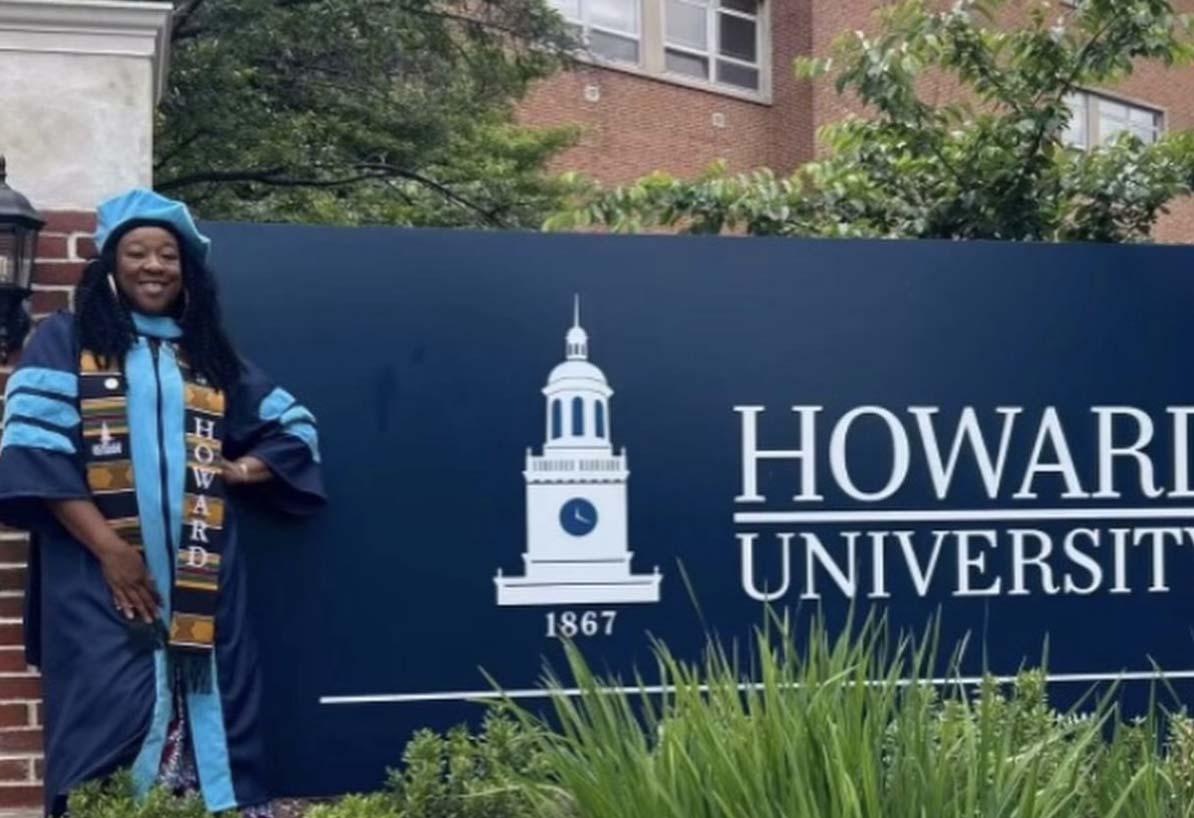
Whenever Ali walks through campus, she feels supported as a blerd knowing that she’s walking in the footsteps of the Black women who came before her, like Lucy Diggs Slowe, a founder of Apha Kappa Alpha Sorority who was also an educator and athlete. She was also inspired by Zora Neale Hurston who helped to establish the university’s student newspaper The Hilltop in 1924, emphasizing the importance of Black stories.
“When you think about how the dorms are named [after] Harriet Tubman and Sojourner Truth, that shows us Black women have always been important to the liberation of Black people,” said Ali. Dr. Chancellor Williams, sociologist, historian, and former Howard faculty member, authored one of Ali’s favorite educational texts “The Destruction of Black Civilization: Great Issues of a Race from 4500 B.C. to 2000 A.D.”
Being a Blerd is Endemically Afrofuturist
Leaning all the way into a blerdy fascination involves aspiring for an unseen future, aspiring to overcome societal obstacles, including misperceptions. Endemically, it involves imagination and hope.
Senior Research Scientist Dr. Anaiya Reliford of Howard’s Research Institute for Tactical Autonomy (RITA) is focused on accomplishing her goal of becoming an astronaut. She recently participated in a discussion on computer autonomy as it relates to space travel as part of the “How Fast Can We Go?” panel on May 7. Reliford began her career in chemical engineering, particularly in the oil and petroleum and biomedical industries. Howard supported her transition to atmospheric science and space endeavors. “I think we have an HBCU culture of supporting one another and they were willing to make a way.”
As a girl, Reliford was fascinated with the sky, but as she was going through middle school and high school, she didn’t think it was a career possibility.
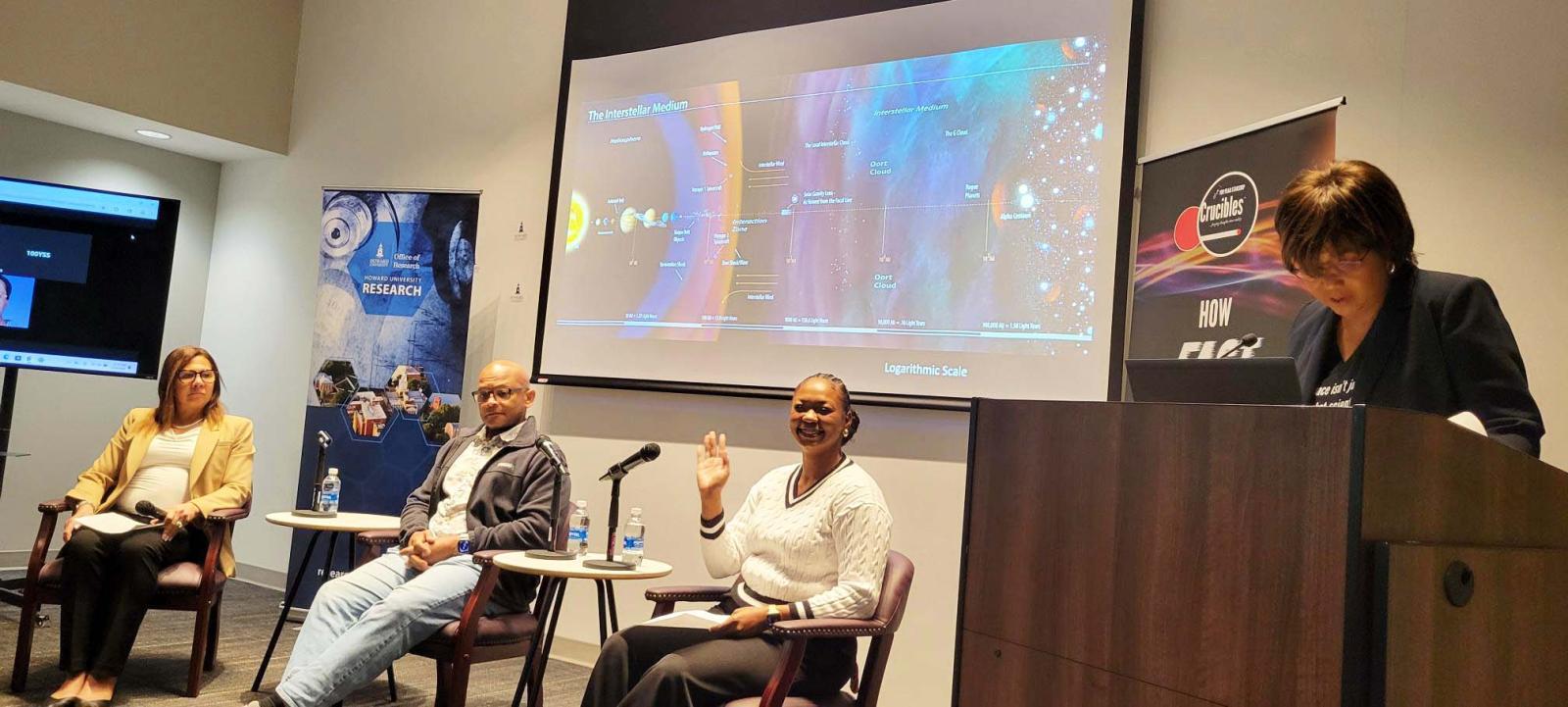
“Why not go all the way into something that I had suppressed for so long?,” she questioned. “Part of the reason I didn’t think it was possible was because nobody ever told me it was possible. I never met an astronaut. Nobody told me I could be an astronaut.” It meant a lot to Reliford that Dr. Mae Jemison introduced her as a panelist.
Reliford is currently taking multiple trainings in order to one day become an astronaut: moon mission simulations; sub-orbital machines to train her body against G forces; and survival training on how to splash down in the ocean and survive. She visited Patterson Middle School in southeast D.C. wearing her blue flight suit for a career day event to ensure other young blerds could see and experience someone with a passion for outer space.
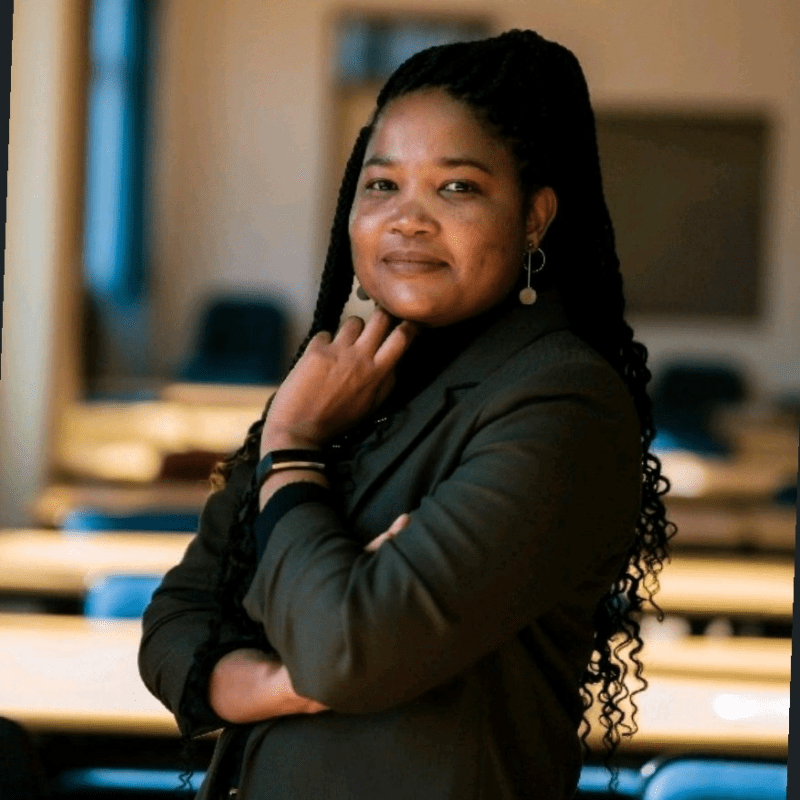
Howard’s academic and cultural influence found its way to 2026 Ph.D. graduate Maureen Ramaube all the way in South Africa. Ramaube initially studied mechanical engineering, but she later shifted her focus to atmospheric sciences. Her mentor Sonya Smith, executive director of RITA, inspired her to travel to the U.S. and attend Howard, then later encouraged her to pursue that field. Ramaube is new to the concept of being a Black nerd. For her, “nerd” always seemed to refer to white people, and it didn’t seem to always include women either. But blerd, she said, feels safe and empowering, something she can happily embrace.
“Since coming to Howard ... I feel like I have found a place of belonging and that you find other people that are just like you and you can finally be yourself,” said Ramaube. “You can finally go to your optimum level because now you are with your people. You meet smart people that love what you love, do the things that you do, are as smart as you are, and they look like you—It’s very freeing to be in an HBCU because now you are with people that recognize it. There's a strong sense of belonging that gives you a boost of confidence that I can do this. I can take over the world and just be myself.”
Moments of safety and having a space to freely confess your inner joy as a Black academic are not only a relief, they also create lifetime bonds with others. Greene and Hannon both said that being a fan of anime helped them connect with other students more easily, especially since Howard’s student body is diverse and making new friends can feel challenging.
Hannon also spoke brightly of his moments playing a video game while on campus.
“While I was at Howard, I would walk from [campus] to the Capitol, and my favorite catch was a Bulbasaur that I got in front of Founders Library,” he said in reference to playing the mobile game “Pokémon Go.”
Capturing a digital creature in an alternate reality game on a handheld device while walking amongst the greats of Howard’s campus does indeed sound like Afrofuturism realized.
Keep Reading
-
 Culture Creators: Arts and Entertainment
‘A Different World’ Stars Come Home to Howard Ahead of Netflix Sequel Premiere
Sep 25, 2026 4 minutes -
 Lineage: Howard Students and Alumni
20 Years in Motion: Models Inc. Celebrates Two Decades of Fashion, Mentorship and Black Creative Expression at Howard University
Sep 14, 2026 7 minutes -
 *Community
A Backpack, a Fresh Start: Howard University Supports D.C. Students
Sep 29, 2026 3 minutes