

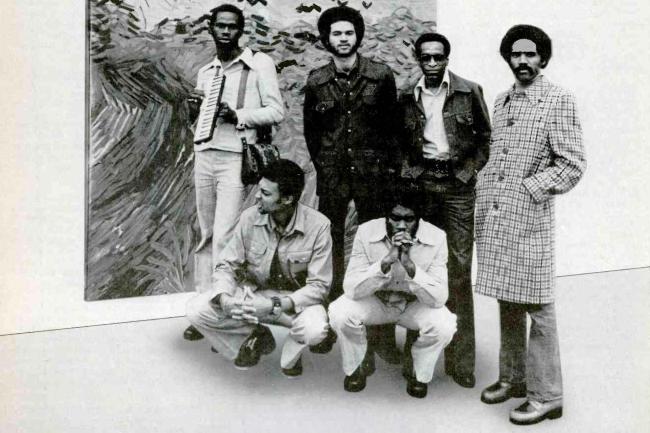
The Blackbyrds are still “Walking in Rhythm,” continuing to soar after more than 50 years since the jazz-funk band’s core formed at Howard University during the early 1970s under the tutelage of late jazz great and educator Donald Byrd.
Byrd, a professor in the university’s Department of Music in the College of Fine Arts, founded Howard's Jazz Studies Program and Black Music Department and was a proponent of giving students practical, real-word experience. He would pick the most talented Howard students from campus and take them up and down the East Coast to perform with him. They also played on campus on the steps of Childers Hall, home of what is now the Chadwick A. Boseman College of Fine Arts, as well as in Cramton Auditorium and other locations around the city.
Initially, Byrd mixed students in with his own seasoned band, then lined them up in a separate band that would become the Blackbyrds, named after an old Byrd album. The band’s name became official when the Blackbyrds backed Byrd on his 1973 album “Live: Cookin’ with the Blue Note at Montreux.”
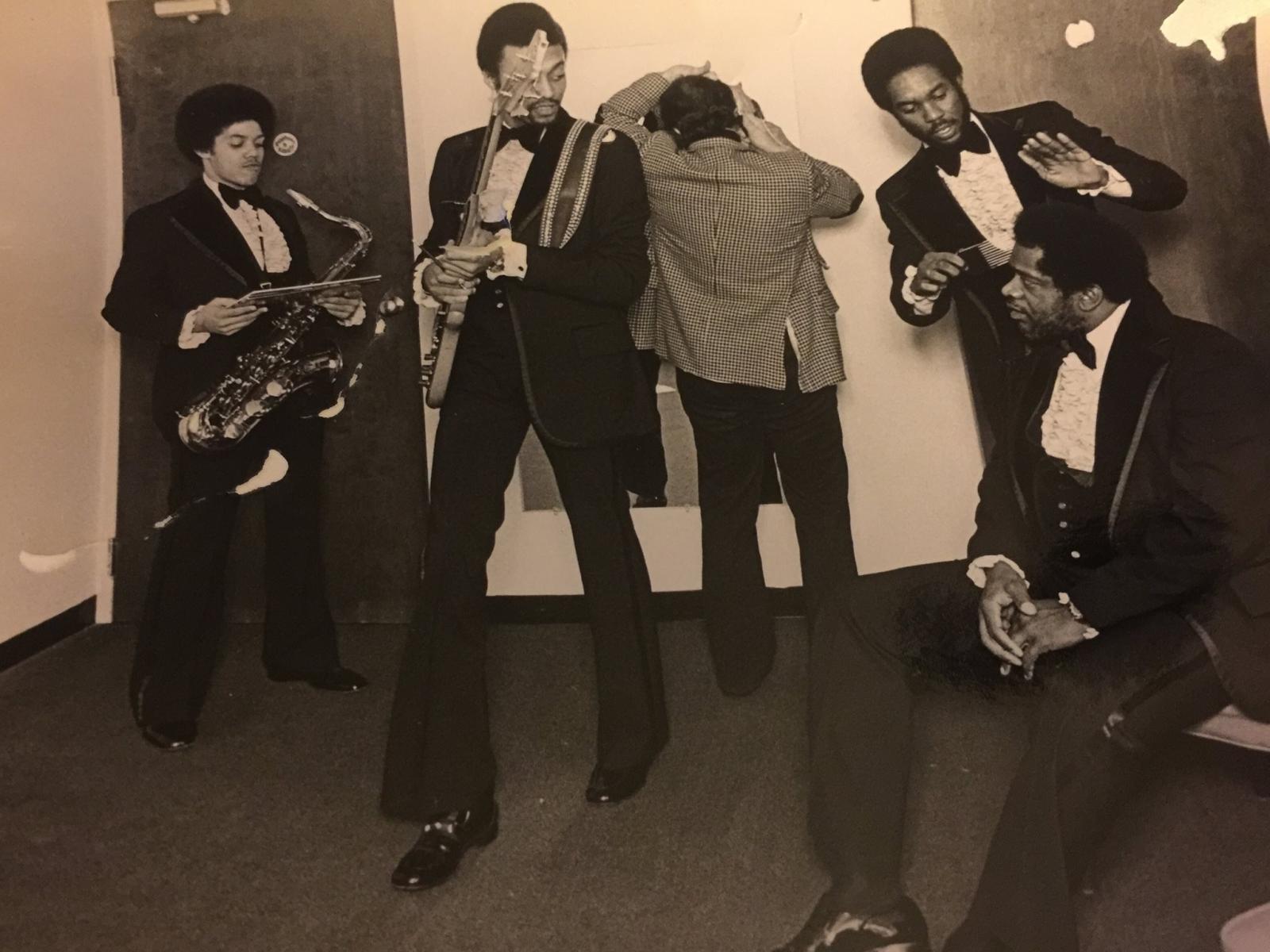
The original lineup is listed as Allan Barnes and Steve Johnson (saxophone, flute), Barney Perry and Orville Saunders (guitar), Kevin Toney (keyboards), Joe Hall (bass), Keith Killgo (drums, vocals), and Perk Jacobs (percussion), all Howard alumni.
Music professor Carroll V. Dashiell Jr., chair of Howard’s Department of Music, calls what Byrd did with music and education at the university unprecedented.
“The Blackbyrds is a group that really catapulted educated musicians in the jazz realm, but also contemporary,” said Dashiell. “They combined it. We have this divide at times between the academy and the artistry. They were one of the first groups to combine that and get recognition. Herbie Hancock was doing things like that, and Chick Corea was doing things like that. But this was a Black group at a Black institution combining that.”
Building The Blackbyrds
Dashiell said that while Howard comes with a special mystique and aura that makes people and other entities want to attach themselves to the institution, the connection between the Blackbyrds and Howard was authentic.
“Their talent was so incredible, and to combine that with Howard, it was a real force,” he noted. “Donald Byrd was a visionary. He really set the precedent. Donald Byrd being the professor in the classroom identifying those talented people was very cool. It was one of the first times it happened, and one of the first times at a HBCU.”
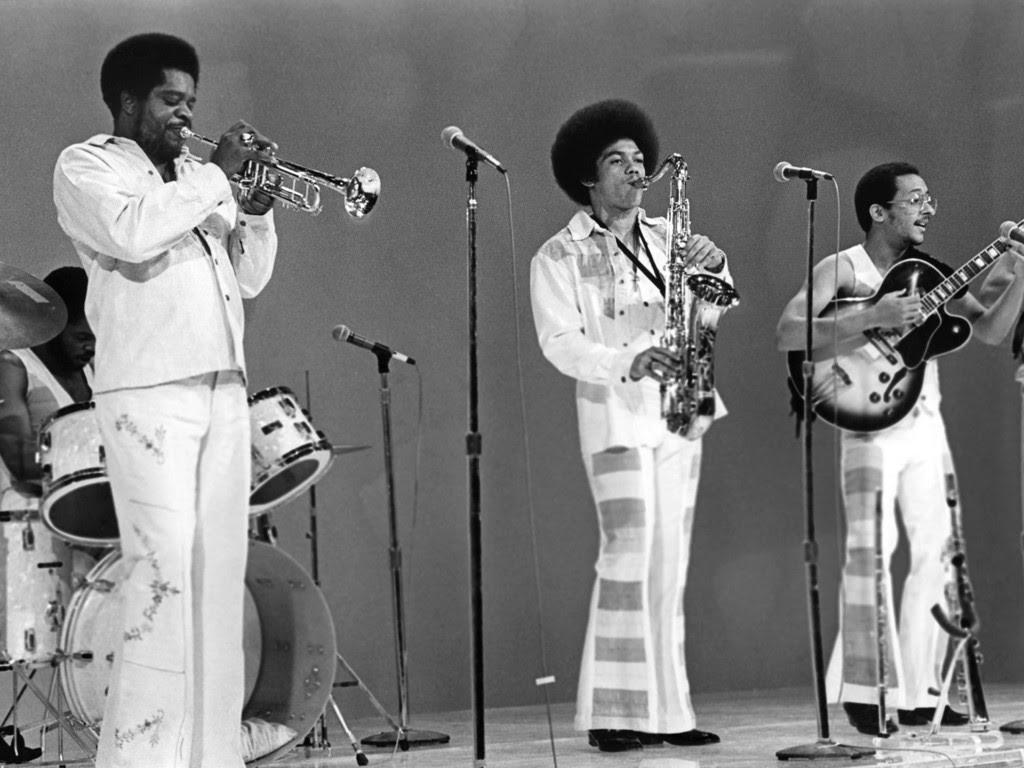
The Blackbyrds’ legacy includes hit singles like “Walking in Rhythm,” “Rock Creek Park,” and “Happy Music,” gold albums, international touring, and the classic soundtrack to the 1975 movie “Cornbread, Earl, and Me.” It’s a legacy that continues moving forward.
Today, the Blackbyrds, with original members Killgo and Hall, tour throughout the world, with upcoming 2026 dates lined up in Nashville, Tennessee; St. Louis, Missouri; Richmond, Virginia; London, England; and Baltimore, Maryland. The group begins recording a new album this summer, its first since 2012’s “Gotta Fly.”
Hall never imagined those Howard students back in the day, whose greatest musical joy was rehearsing in their parents’ basements and the practice rooms on campus, would reach international acclaim.
“To try to think of all that kind of stuff happening was insanity as far as I was concerned," he said. "We were just trying to play and not embarrass Byrd.”
Howard served as the unifying force between the budding young musicians, and Byrd was akin to lightning in a bottle.
“Everything was aligned correctly," said Killgo. "It was something absolutely beyond our grasp that we met at the time we met, that we were the age we were when we met, and that we met Donald Byrd when he was doing what he was doing. I think the universe did this. When Donald got to Howard, he was always looking for something fresh, the next new thing. We were just trying to play. We were not thinking of anything else.”
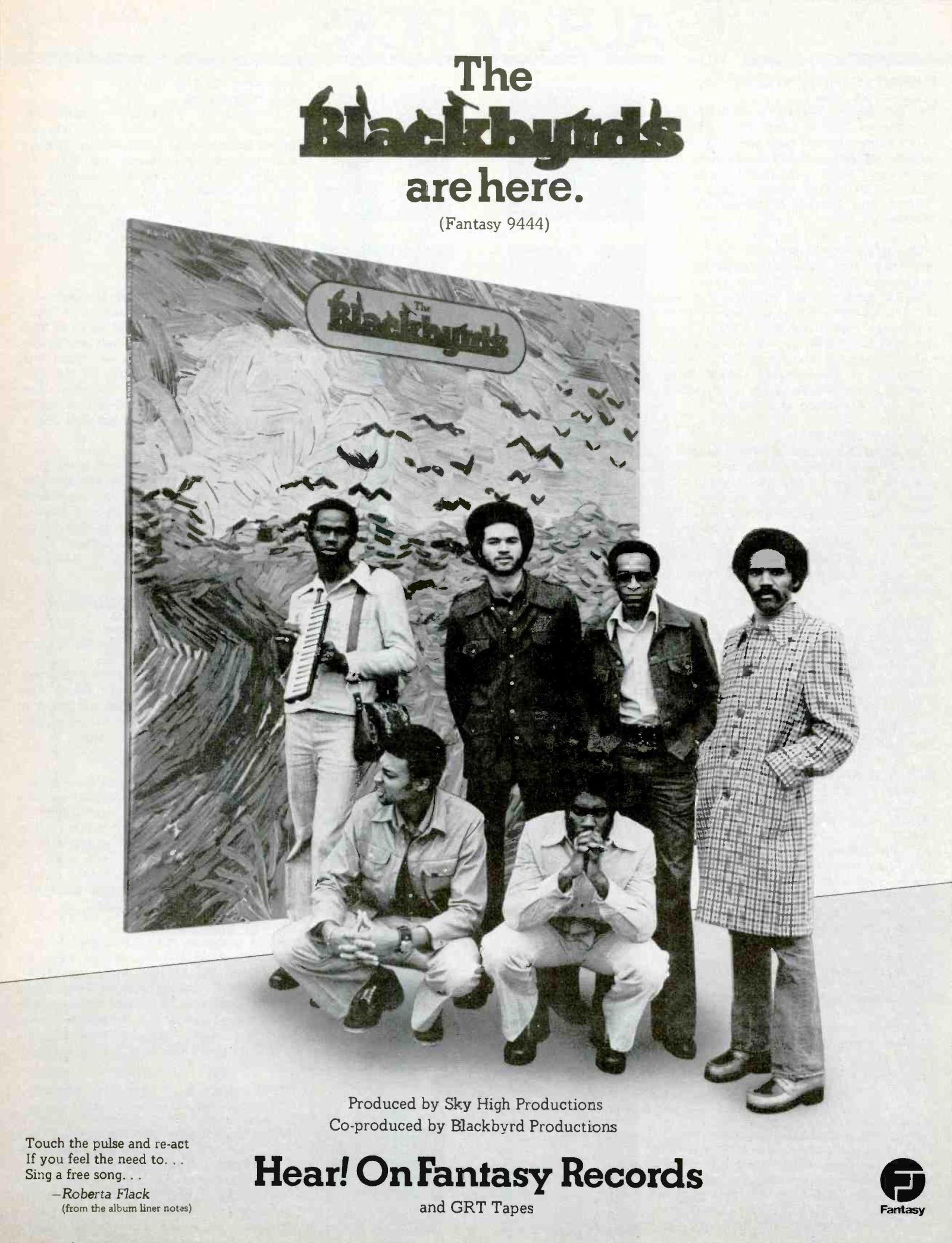
The Blackbyrds’ 1974 self-titled debut album featured the song “Do It, Fluid.” It was recorded at Fantasy Studios in Berkeley, Calif., and produced by Sky High Productions, the brother duo of Larry Mizell and Alphonso “Fonce” Mizell, both Howard alumni, in conjunction with Byrd. The recording of “The Blackbyrds” was a true experience in that “we knew absolutely nothing about recording,” recalled Killgo.
“I remember we were listening to a playback in the control room, and I kept hearing this humming sound," he said. "‘What was that?’ It was my bass drum. I had no idea what I was doing.”
Killgo’s vocals landed on “Do It, Fluid” after Byrd called him in the middle of the night to sing the song to him.
.jpg)
The same year, the band released its “Flying Start” album that brought on the seminal hit “Walking in Rhythm.” By this time, the Blackbyrds’ method of songwriting by committee was solidified. A band member would write the song, and everyone contributed by following up with their own parts.
One early highlight for the band was recording the soundtrack to the movie “Cornbread, Earl and Me” at A&M Studios in New York City. The band was not privy to any movie scenes prior to the recording and saw the movie for the first time with the rest of the world.
“All we did was follow the dots,” said Killgo. “It was out of our hands. It was just press and play for us.”
During those formative years, the lessons the band learned outside the classroom were just as crucial as those learned inside the classroom.
“I realized I was playing with a giant teaching us what to do and what not to do, how to play and how not to play, how to not overdo it, how to practice, what to practice all those things that count when you’re on the bandstand," said Hall. "Everything he told us was golden.” said Hall.
Hall also credited Byrd with teaching them the ins and outs of the music business, to never be afraid to invest in oneself, and to always work on sharpening the craft.
Taking The Blackbyrds to the Next Level
Other albums released during the band’s busy ‘70s run included 1975’s “City Life,” featuring singles “Rock Creek Park” and “Happy Music,” 1976’s “Unfinished Business,” and 1977’s “Action.”
The “Better Days” album, produced by George Duke and co-produced by Killgo’s company in 1980, was the band’s last album before a lengthy hiatus when the group focused on life, family, education, and other musical endeavors. It would be over three decades before the next album was released, 2012’s “Gotta Fly,” which was a labor of love that was also the last album with original member Allan Barnes, who died in 2016.
Looking back at the Blackbyrds’ legacy, Dashiell described the band as more than a pioneer in the jazz-funk genre.
“The thing that was very cool about them was they weren’t just jazz and funk," said Dashiell, who is also a bassist, composer, and arranger who performed with all members of the Blackbyrds in different capacities over the years. "They were all classically-trained musicians too. They really could have gone on to do some classical things.”
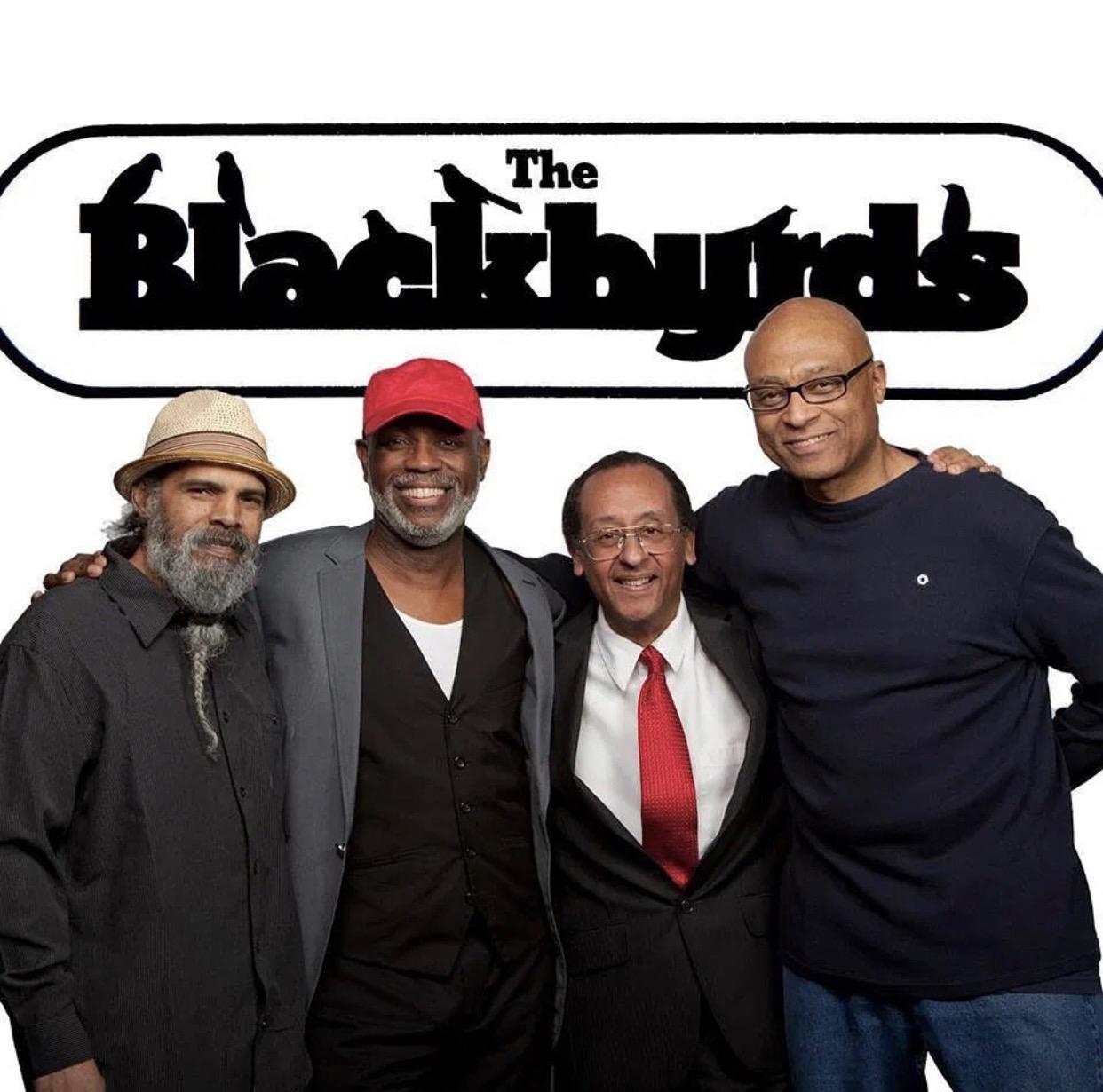
Killgo is proud of how far the band has come and the fact the band has lasted so long. Still, he believes the Blackbyrds’ peaks are to come, as the band never ascended to the heights of some of its contemporaries like Earth, Wind & Fire or Parliament-Funkadelic.
“I could never take that for granted," he said. "I know it sounds trite but it’s real. The Blackbyrds, if you look at them, never quite made it. I’ve spent the last 25, 30 years repositioning us to get to what I would consider the pinnacle of what we can do.”
A first step in taking its legacy to the next level is the new album the band starts recording this summer. It will be the first to feature today’s Blackbyrds lineup, which includes Killgo (bandleader, vocals, drums), Hall (vocals, bass), Paul Spires (vocals), Dominique Toney (vocals), Charles Wright (guitar), Roberto Villeda (keyboards), Marshall Keys (saxophone), Thad Wilson (trumpet) and Sean Anthony (percussion).
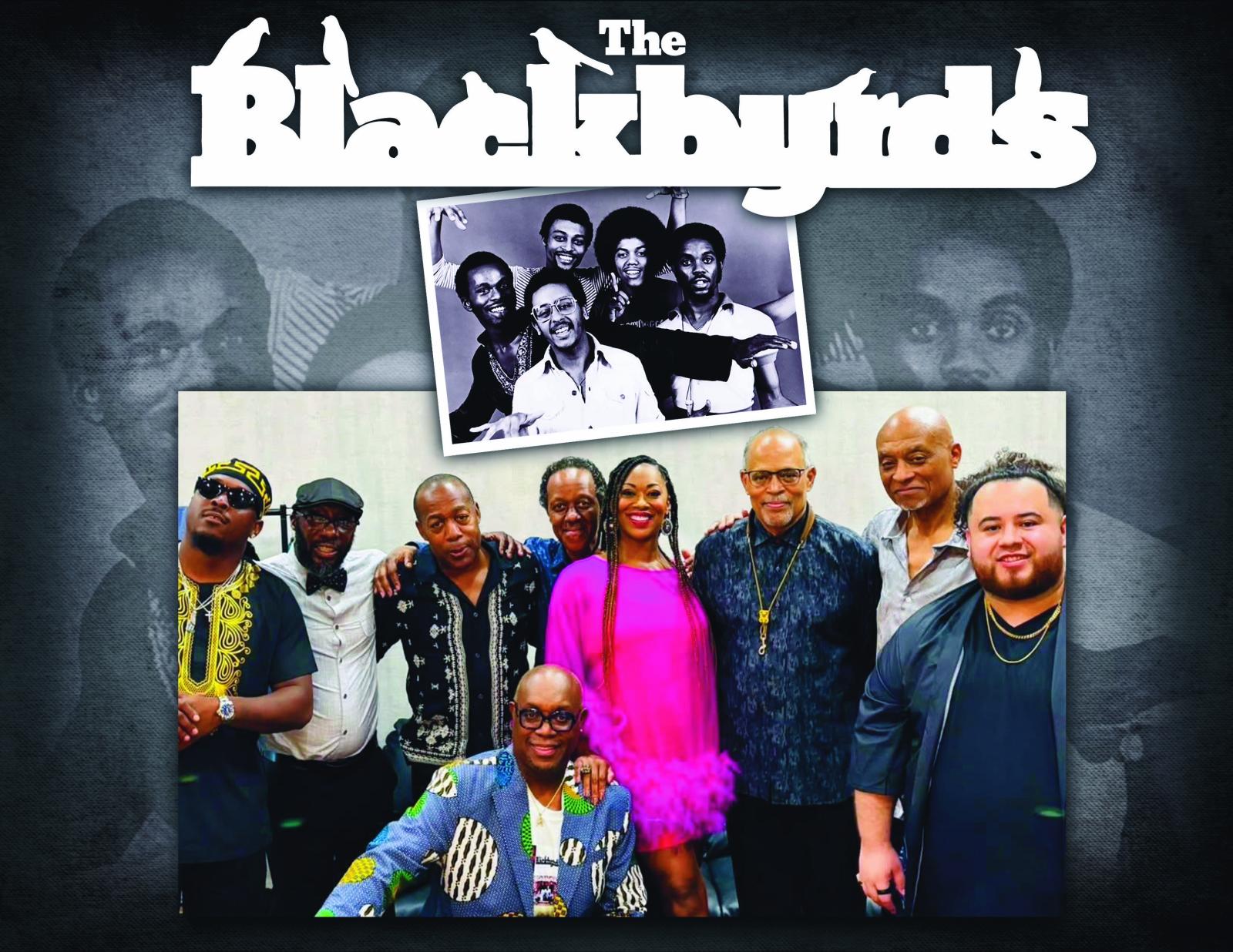
The band is taking what they saw Byrd do — giving experience to younger musicians — and paying it forward with a current lineup featuring some younger players. In turn, the older musicians gain tips on how to be more tech-savvy and modern. The band is bringing in producer, songwriter, and Howard alumnus Raymond Angry of the Roots to help freshen up the vibes.
Hall says it will be interesting to see what the Blackbyrds create next.
“It’s still going to be the Blackbyrds but we do want to embellish it," he said. "We want to bring it into a newer groove. We don’t want to copy anybody. It’ll be us. We’re going to see what happens. It’s going to be fun.”
Though setting up its future remains at the forefront for the Blackbyrds, Killgo said the past is always upfront when it comes to Howard. He has visited the campus many times. Killgo, a music educator at Friendship Public Charter School Tech Prep, returned to Howard in March with his students to show them where it all started for him. He also returned to campus last September for the “Chadwick: The Artist, the Advocate, the Alumnus” panel discussion during Chadwick A. Boseman Day.
“Any way that I can support the school that launched my career is important, to say the least," he said. "Lots of people went to Howard, and people coming back to the school is an important connection for the rest of your life, to see the transitions that have happened, meet the students, and let them know there are a lot of possibilities here.”
Keep Reading
-
 Culture Creators: Arts and Entertainment
‘A Different World’ Stars Come Home to Howard Ahead of Netflix Sequel Premiere
Sep 25, 2026 4 minutes -
 Lineage: Howard Students and Alumni
20 Years in Motion: Models Inc. Celebrates Two Decades of Fashion, Mentorship and Black Creative Expression at Howard University
Sep 14, 2026 7 minutes -
 *Community
A Backpack, a Fresh Start: Howard University Supports D.C. Students
Sep 29, 2026 3 minutes