

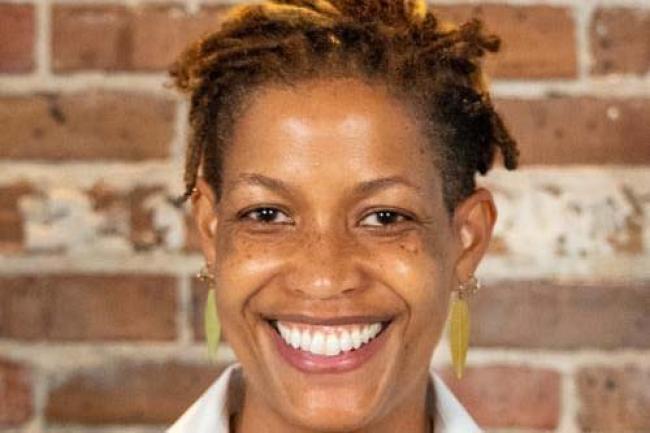
Dr. Anika Simpson, associate professor and chair of Howard University’s philosophy department, explores the role of marriage within Black communities and the detrimental impacts of state-sanctioned unions on single Black mothers in her book “Single Black Mother: Queer Reflections on Marriage and Racial Justice” (Oxford University Press, 2025).
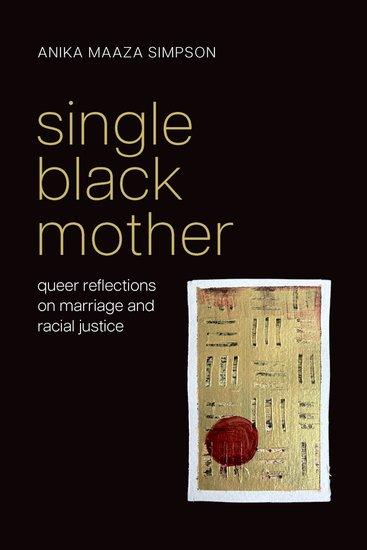
“Single Black Mother” critically examines how marriage has been framed as a social, moral, and policy solution to racial inequality and the ways in which legal unions negatively impact unmarried Black mothers. During a recent installment of the “Research in Conversation Series” event held by Howard’s Center for Women, Gender and Global Leadership (CWGGL) on Mar. 4, Simpson shed light on the gaps in research related to marriage and family within African American philosophical literature.
“From the infamous 1965 Moynihan Report, which pathologized the Black family and blamed unmarried Black mothers for poverty and all manners of social ills, to contemporary policies of media representation, there exists a pervasive script,” said Simpson. “This script inscribes single Black motherhood as deviant, pathological, and as a source of Black suffering rather than as a response to structural conditions. I am critiquing the state regulation of our romantic relationships or the marital contract.”
Simpson further explained that with “Single Black Mother,” she’s seeking to abolish the “institutional and societal privileging of romantic unions and family formations grounded upon two legally married individuals to the detriment of all other romantic and familial configurations, like families headed by unmarried Black mothers.”
‘Marital Shade’
Simpson’s book draws on queer theory and Black feminist thought to interrogate respectability politics, state power, and dominant family norms, asking how racial justice might be reimagined when marriage is no longer treated as an unquestioned good. “Single Black Mother” also illuminates the material, moral, and political forces that undermine the freedom of unmarried Black mothers.
The motivation behind the book stemmed from Simpson’s experience of transitioning to her new identity as a single mother following the end of her marriage.
“While divorced mothers are common in the United States, I understood that I’d be joining a particularly castigated category,” she explained. “I was going to become a single Black mother. I knew the statistics. My preliminary research into mainstream philosophical research on marriage reform and marriage abolition left me with feelings of alienation and disaffection that Black philosophers often experience within the discipline. I firmly believe that we can and must build better structures to support Black people, Black love, and Black families, structures that are not contingent on a marriage license.”
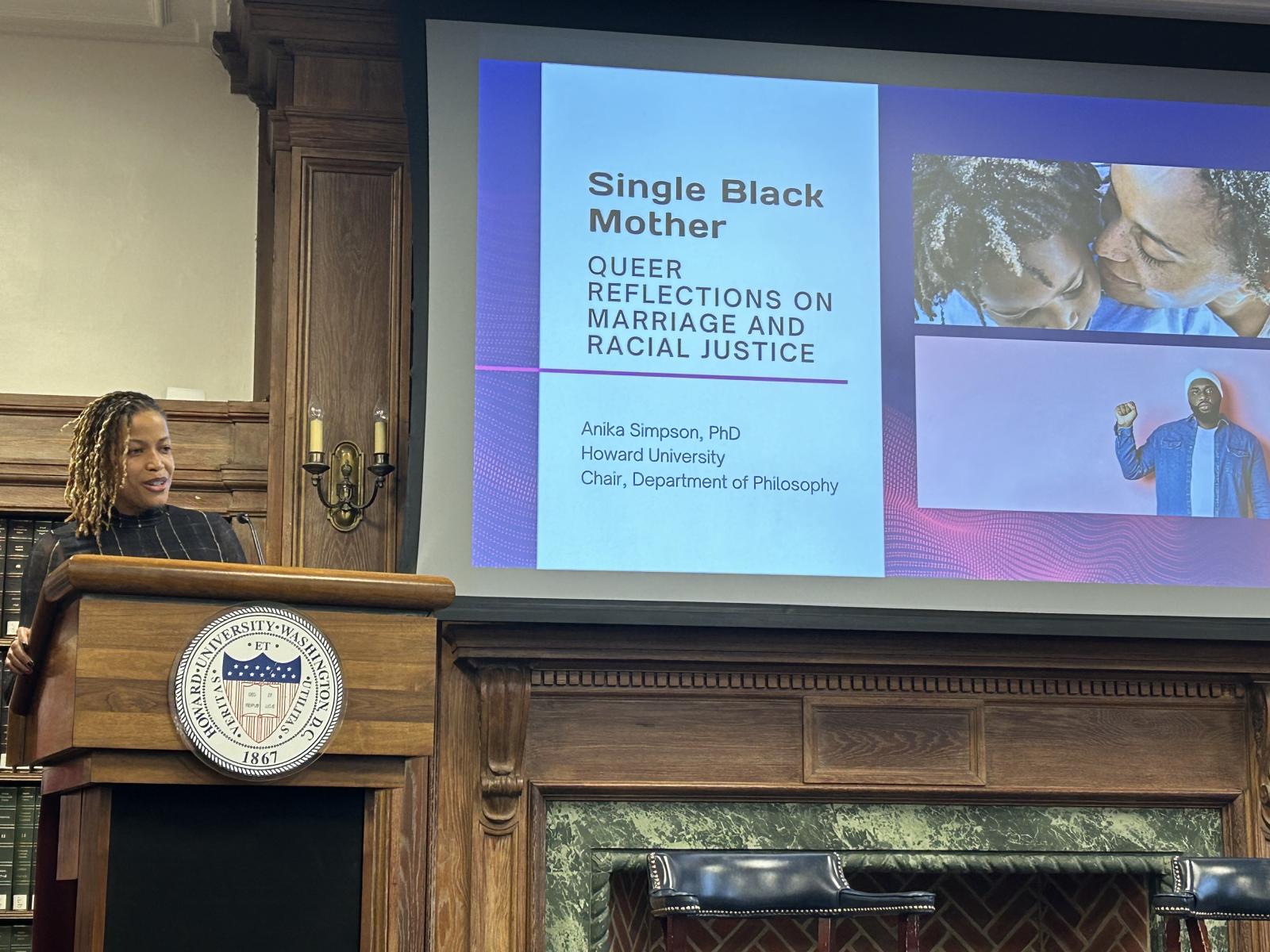
In “Single Black Mother,” Simpson unpacks a concept she calls “marital shade,” a conceptual structure that examines the experience of systemic harm and the liberatory practice of single Black motherhood in relationship to state-regulated marriage.
“In the book, I identify three different ways that marriage as a social and legal institution casts marital shade upon Black, unmarried mothers,” said Simpson. “First, the government uses marriage as a gatekeeping tool. Second, racial justice movements themselves have often centered and idealized the married Black mother. Lastly, white feminist work on marriage reform and abolition glosses over real important differences between Black and white women’s relationships to marriage, the state, and political freedom.”
Dr. Anita Plummer, the CWGGL’s executive director, shared that amplifying Simpson’s research reflects the university’s goal of celebrating work that doesn’t simply describe the world as it is, but dares to analyze and imagine it differently.
“Single Black mother — those three words carry enormous weight in our society,” said Plummer. “They have been used as a badge of honor on one hand but is almost always seen as a problem to be solved, a deficient to be corrected, a cautionary tale. But what if we’ve been asking the wrong questions all along? Simpson does exactly that by challenging the stale and deeply problematic narrative while asking something bolder: what does it mean to affirm single Black motherhood as a source of deep knowledge, resistance, and radical possibility?”
Keep Reading
-
 *Accolades
Howard University CEA Professor Sonya Smith Elected to AIAA Class of 2026 Fellows
Sep 28, 2026 3 minutes -
 Epiphanies, Discovery, and Research
Howard University Researchers Advance Decade-Long Study of HIV and Sickle Cell Disease
Sep 23, 2026 4 minutes -
 *Community
A Backpack, a Fresh Start: Howard University Supports D.C. Students
Sep 29, 2026 3 minutes