

The Howard University College of Engineering and Architecture (CEA) has been awarded the 2026 Engineering Education Award from the National Council of Examiners for Engineering and Surveying for its Kenya Water Supply Project, recognizing CEA’s commitment to integrating professional practice with engineering education.
The national recognition reflects the impact of a hands-on, student-driven initiative through the Engineers Without Borders Howard University Chapter (EWB-HU) to make it easier for members of a rural Kenyan community to receive water. It has been led by recent chemical engineering graduate and EWB-HU 2025-2026 president Monica Maya and faculty advisor John Tharakan, Ph.D., professor of chemical engineering.
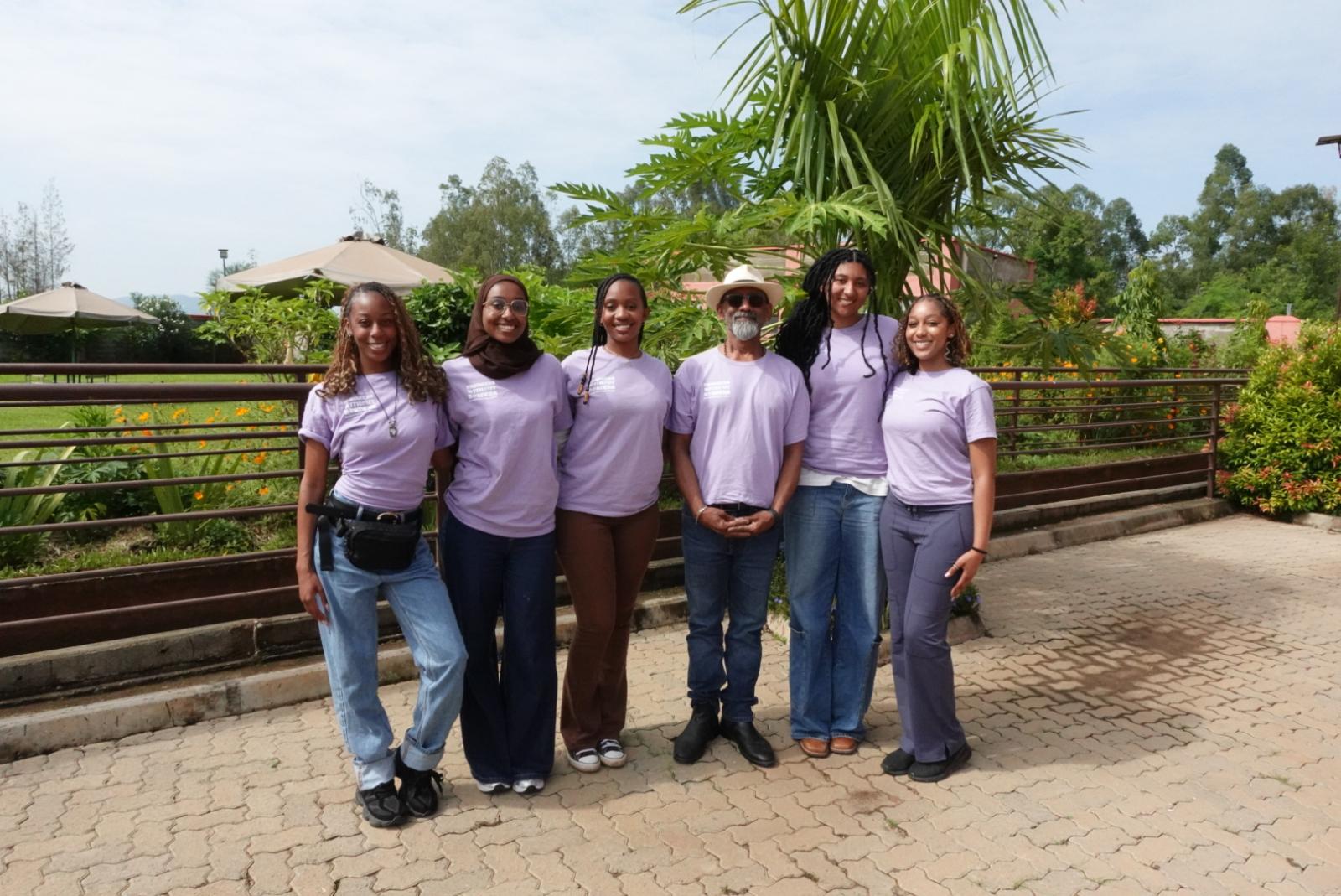
The Kenya Water Supply project has entered phase two of the three project phases. At the center of the award-winning work is a multidisciplinary team of Howard students who have traveled to western Kenya to address urgent water access challenges in the Kogwari community in Homa Bay County, Nyanza, Kenya.
Last year, during the first phase of the clean water supply project and the team’s initial visit, the Howard students, all members of EWB-HU, engaged directly with the community to understand their water needs. During visits to sites in the community, including to a local orphanage, students observed firsthand that the community lacked reliable access to water, a challenge that required both immediate intervention and long-term planning. They designed a borehole water retrieval system, through which groundwater is pumped through a relatively small pipe which is installed into a hole drilled hundreds of meters into the ground. The team traveled to Kenya to survey the land and identify a potential location for the borehole.
The EWB-HU team worked diligently over the past year to plan and create the design for the water supply system through applied research, data collection, and collaboration with local Kogwari contractors and engineers.
In addition to the prestigious NCEES recognition, the students received an award of $10K in support of their project. Earlier this year, in response to their extensive fundraising efforts, they were also awarded a $30K grant from the Xylem WASH Impact Fund to support the project, based on the merit of the project's goal and the team's commitment and dedication.
This project accurately reflects how classroom learning is translated into meaningful global engagement. This year Maya was joined in Kenya by fellow EWB-HU members Soya Pearson, Karma Parsons, Esra Omar, and Halayah Vann.
Engineering in Action: Addressing Real-World Challenges
The student team’s work extended far beyond technical design. Upon arrival in Kenya, the team engaged directly with municipal leaders, community members, and local partners to assess infrastructure needs and coordinate implementation efforts.
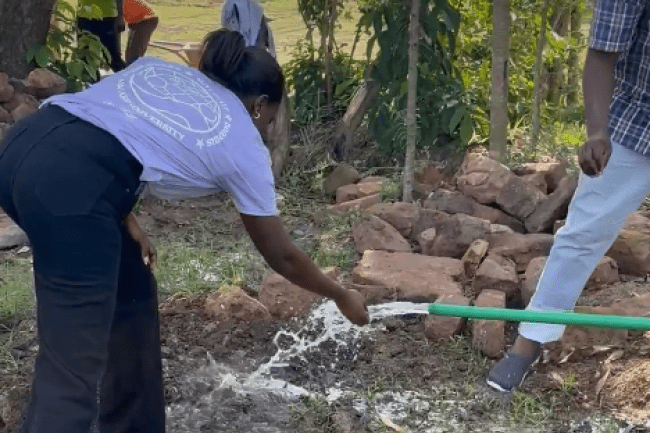
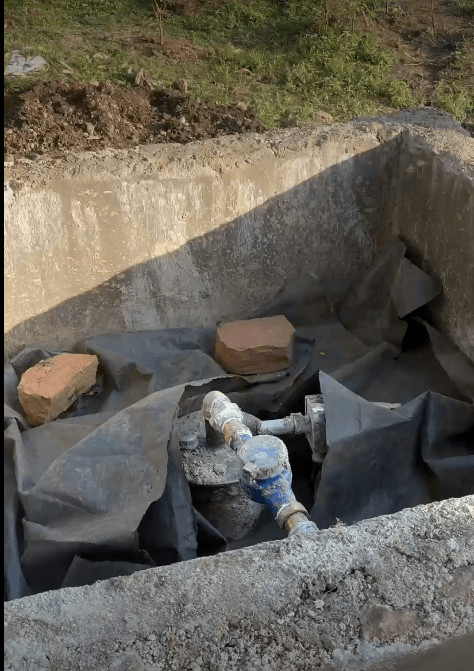
When their initial assumptions that piping would be installed by community members proved inaccurate, the team adapted. They immediately began mobilizing contractors and coordinating with the community and other local stakeholders to ensure that a solar powered borewell pump was adequately powered and the outflow piping was installed and finished. The community was left with the ability to access to cleaner water by collecting it from a pipe with the flip of a switch rather than walking the long distance to the two nearby ponds to collect very muddy water.
In addition, the students worked collaboratively to bring together the needed stakeholders to ensure sustainability and equity by helping establish a formal community water access agreement between local community members, the local government agency responsible for water and sanitation, and community project partners. The signing of the transformative agreement took place prior to the student team’s departure and return to DC.
This practical problem-solving method exemplifies the experiential learning model that the NCEES award celebrates, one where students are not only designing solutions, but also navigating the complexities of implementation, partnership, and accountability.
The project progressed from assessment to execution as the team worked alongside plumbers and masons to install a functioning water system. While water flow was successfully established, students identified ongoing concerns with water quality, noting salinity and hardness issues that reinforced the need for a more advanced desalination approach. Addressing these issues will be part of future engagements of the EWB-HU team with the Kogwari Community.
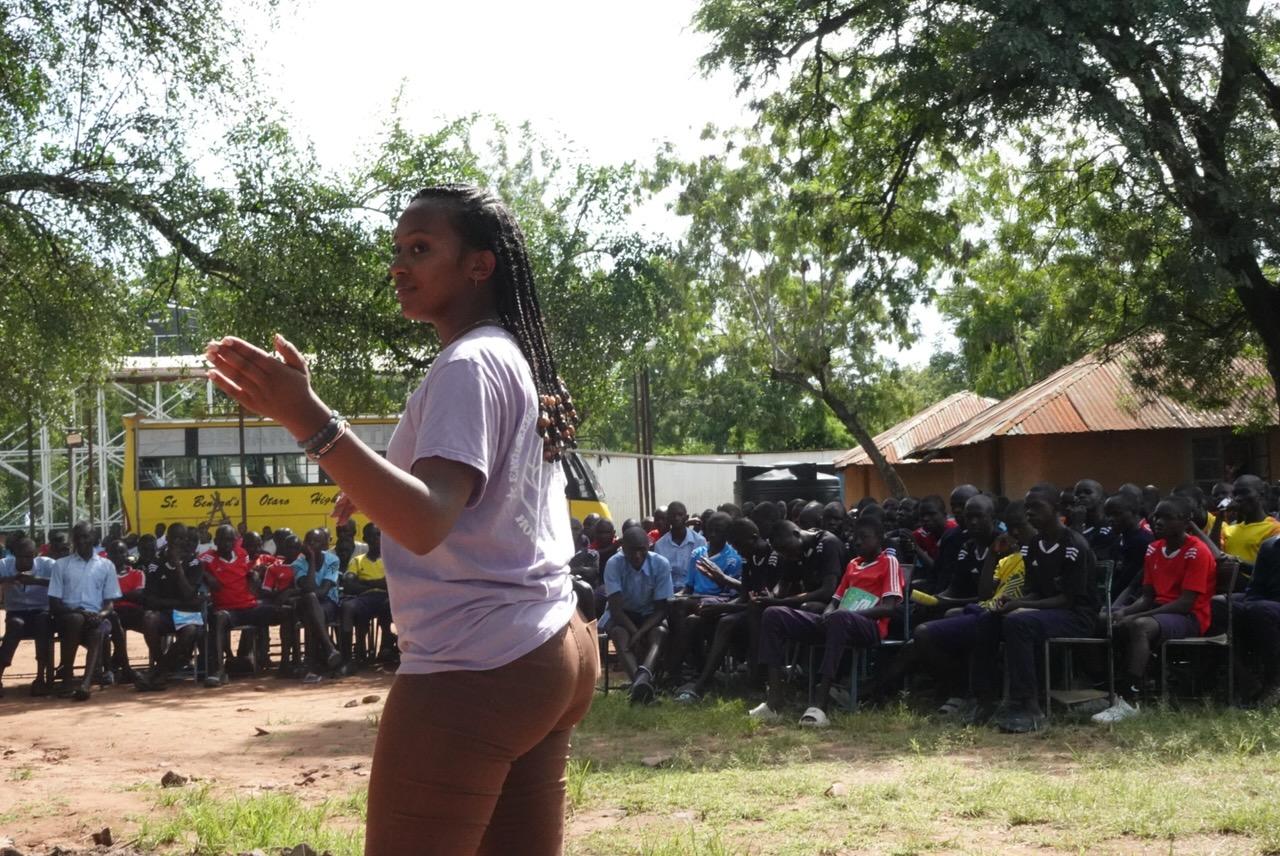
Beyond infrastructure, the team emphasized education and sustainability. They conducted outreach sessions with local high school students, introducing concepts in water purification and engineering design while gathering data to better understand community water demand.
These activities highlight the impressive dual impact of the project: delivering immediate support while building knowledge and capacity within the community.
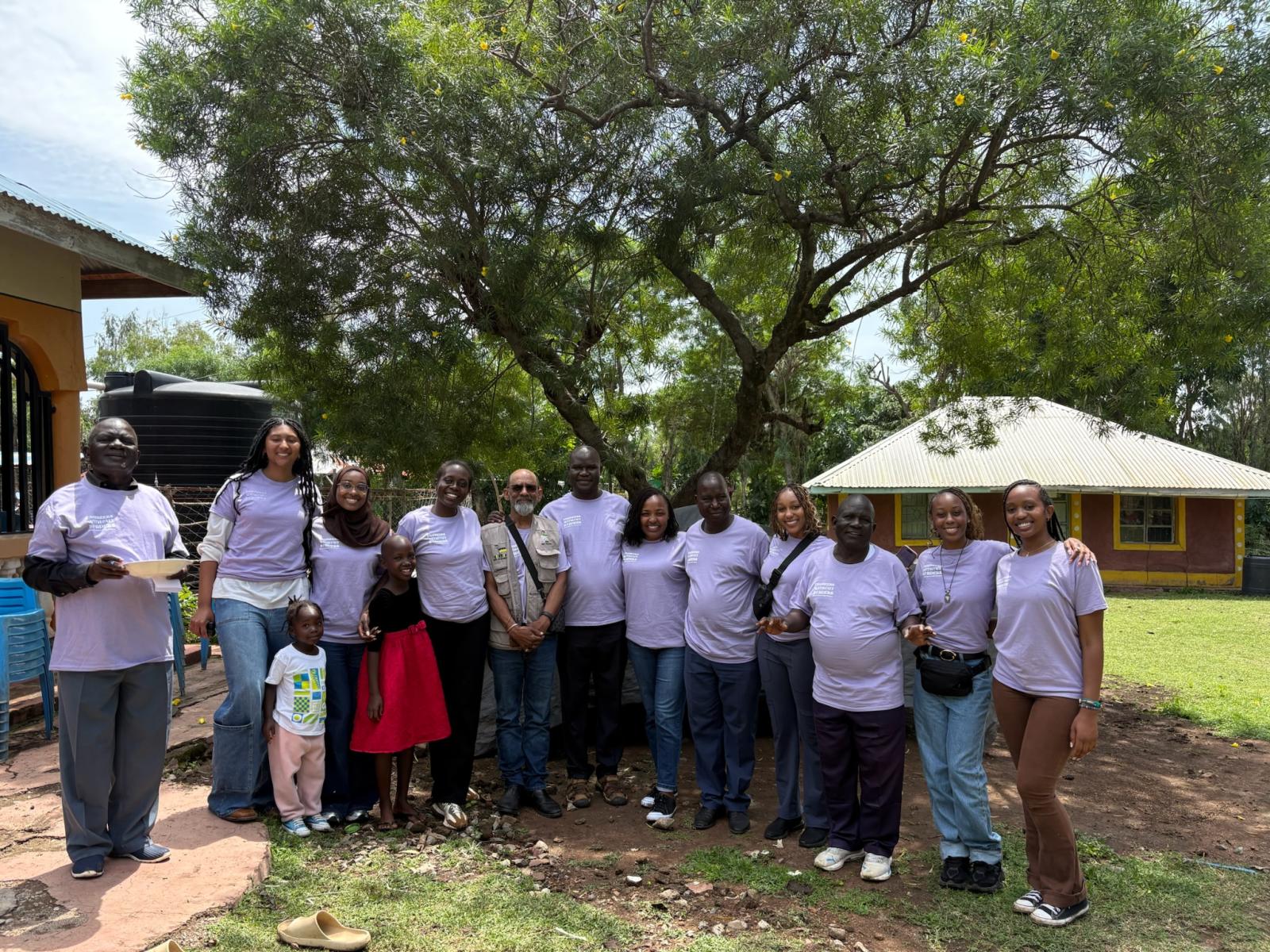
A Model for Engineering Education
The project also opened pathways for sustained collaboration. The team explored partnerships with institutions such as the Great Lakes University of Kisumu and local organizations, identifying opportunities for future exchange programs, research collaboration, and continued project development.
Their reflections from the field point to opportunities for improving future efforts, including potential collaboration with other EWB chapters and refining implementation strategies.
The team’s success underscores the importance of faculty mentorship in guiding students through complex, real-world challenges. With Tharakan’s insightful advising, students were able to translate engineering theory into impactful practice—navigating technical, cultural, and logistical dimensions of global development work.
By recognizing the project, NCEES highlights Howard University CEA’s commitment to producing engineers who are not only technically proficient, but also socially conscious and globally engaged. The award affirms the college’s approach to engineering education—one that empowers students to lead, adapt, and make a tangible difference in communities around the world.
As CEA continues to expand its global footprint, the work of EWB-HU members in Kenya stands as a powerful example of how engineering can serve as a catalyst for equity and innovation.
The project will continue in the upcoming academic year with rising chemical engineering juniors Esra Omer and Soya Pearson taking the lead, building on a legacy of service and innovation while driving EWB HU’s bold mission to empower communities and create sustainable change on a global scale.
Related Story
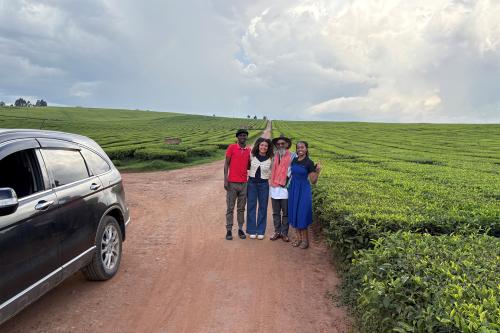
Howard University Engineers Without Borders Adopt Water Insecurity Project in Kenya
Keep Reading
-
 *Accolades
Howard University CEA Professor Sonya Smith Elected to AIAA Class of 2026 Fellows
Sep 28, 2026 3 minutes -
 Epiphanies, Discovery, and Research
Howard University Researchers Advance Decade-Long Study of HIV and Sickle Cell Disease
Sep 23, 2026 4 minutes -
 News
NewsHoward University Names Jasmine Gurley as Senior Director of Public Relations
Oct 14, 2026 3 minutes