

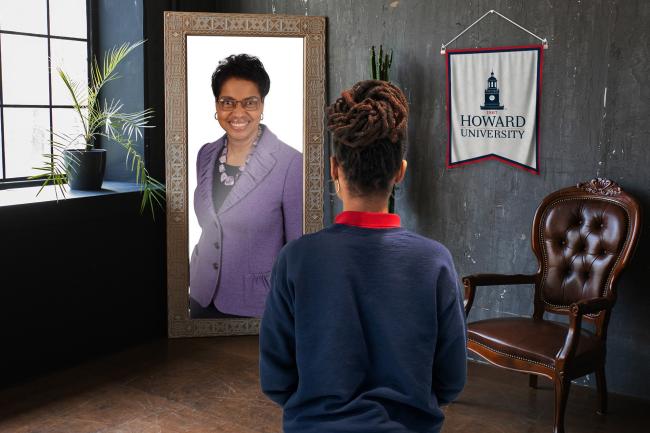
Long before Gwendolyn Stewart King (B.A. ’62; D.H.L. ’18) became the first African American and the second woman to head the Social Security Administration, she was an undergraduate majoring in French and education at Howard University.
Originally from East Orange, New Jersey, recognized as a major hub for the state’s African American population, a young Gwen Stewart matriculated to Howard in the late 1950s after completing high school as an honors student, president of the French Club, and salutatorian of her graduating class. She was active in campus life beyond the classroom: as a member of Howard’s cheerleading squad; recording secretary of the Women’s League; a pledge of the Alpha chapter of Alpha Kappa Alpha Sorority, Incorporated; and, later, corresponding secretary of the Greek Council.
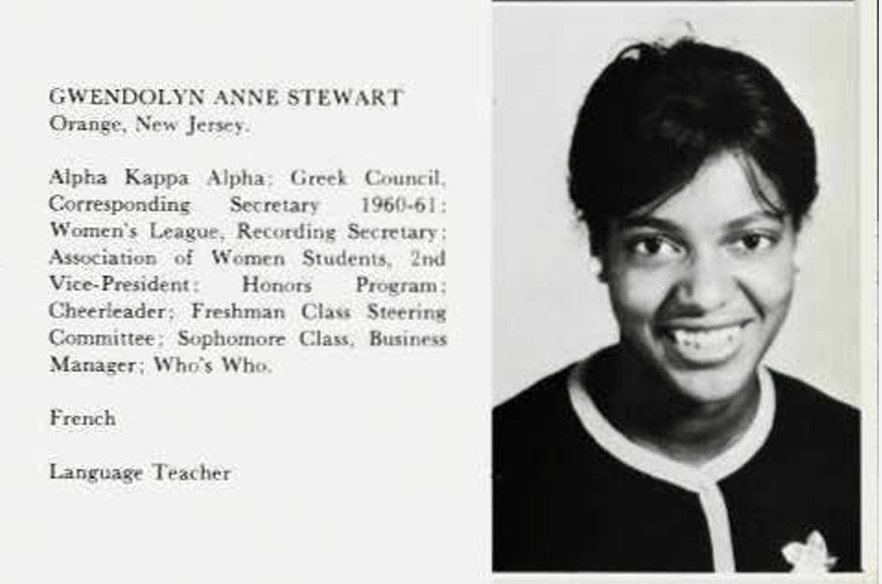
She would also meet the person who became her husband and life partner, Colbert King (B.A. ’61, D.H.L. ’18), at the university. The two married upon Colbert’s graduation from Howard in 1961, and went on to have three children: Robert, Stephen, and Allison. King graduated cum laude in 1962.
King immediately began utilizing her education degree post-graduation, teaching English, French, and reading across D.C. and New York for roughly a decade, until 1971. That year, she officially pivoted into government service with the U.S. Department of Health, Education and Welfare, where she advanced to the title of Senior Health Desk Officer during her five-year tenure with the agency. A two-year stint at the Department of Housing and Urban Development as director of its Division of Consumer Complaints would precede a decade of senior and deputy assistantships on Capitol Hill and within the White House.
Then came history: On August 1, 1989, King was inaugurated as the 11th commissioner in Social Security Administration (SSA) history — her appointment making her the first African American and just the second woman to formally hold the position.
“If there is a federal agency that exists to serve the public directly, it is the Social Security Administration,” King said in an October 1989 interview with The New York Times. “To the extent that we serve with compassion and give accurate information, we are doing our job. The reverse is also true.”
To the extent that we serve with compassion and give accurate information, we are doing our job. The reverse is also true.”
Stewarding the SSA
King’s family and upbringing animated her work with the SSA, coupled with her desire to protect the aging and handicapped due to their inherent vulnerability. She cited once needing to drive home to New Jersey in defense of her grandmother, who nearly fell victim to a Social Security scam.
“People [are] out there who want to make a fast buck at the expense of the elderly, blind and disabled,” King said. “I want to send a clear message to those that prey on the elderly: back off. All the help anyone needs is free.”
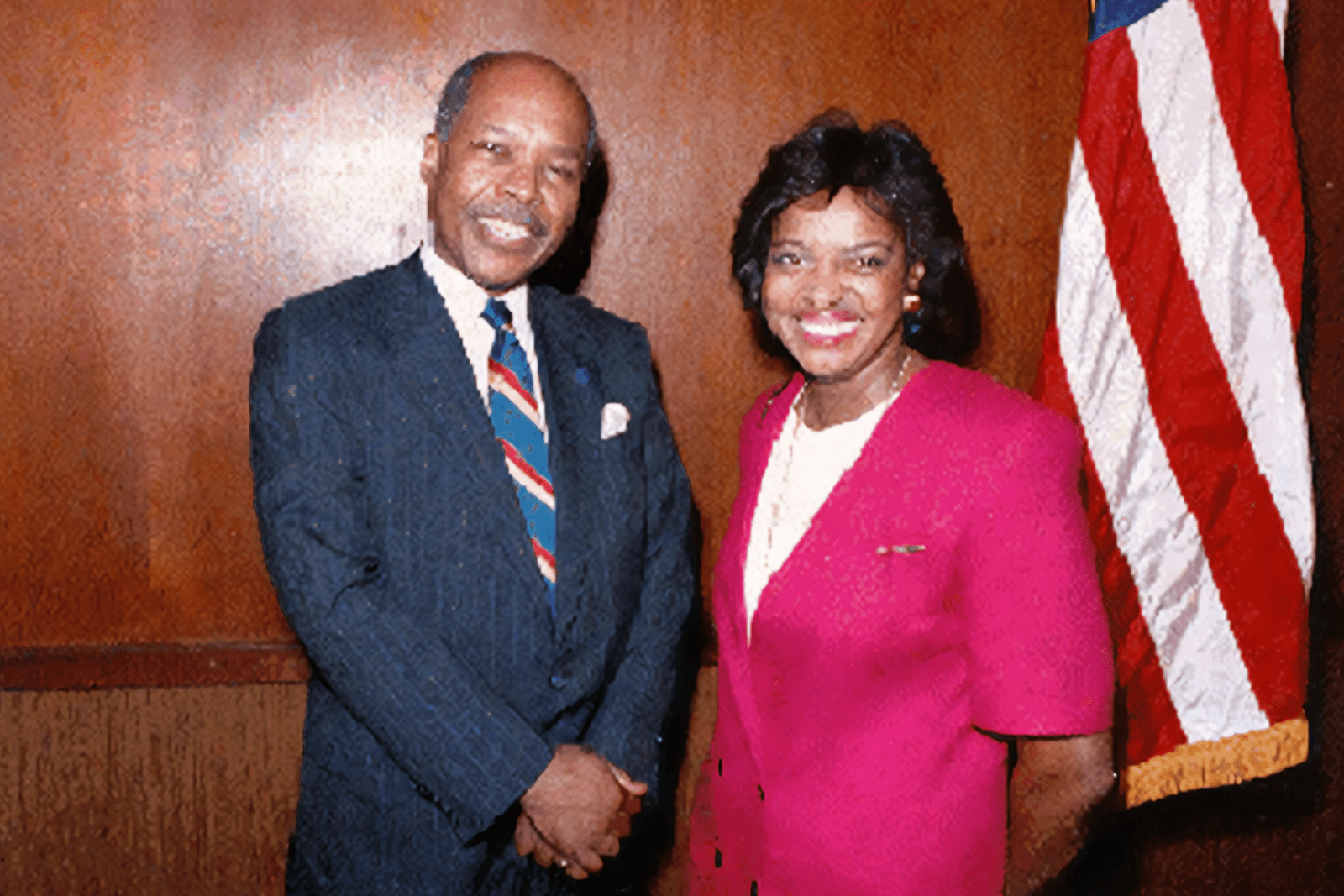
Those early comments as commissioner show the pragmatic optimism that defined her administration. Over King’s three years in the role, she modernized the SSA by expanding nationwide teleservice, strengthening internal management, and improving both employee support and public access. She also led the agency through major policy shifts — including Medicare refunds for millions of seniors, updated disability standards for children, earlier access to benefits for people with AIDS, and workplace accessibility efforts in compliance with the Americans with Disabilities Act (ADA).
After resigning from the SSA in 1992, King was named senior vice president of corporate and public affairs for the Philadelphia Electric Company, where she remained until 1998. She subsequently held directorial positions with the Monsanto Company, Marsh & McLennan Companies, and the Lockheed Martin Corporation. In 2000, she launched the speakers’ bureau and speechwriting service Podium Prose, and in 2003, she became a founding partner of The Directors’ Council, an initiative designed to increase the number of women and minorities on corporate boards.
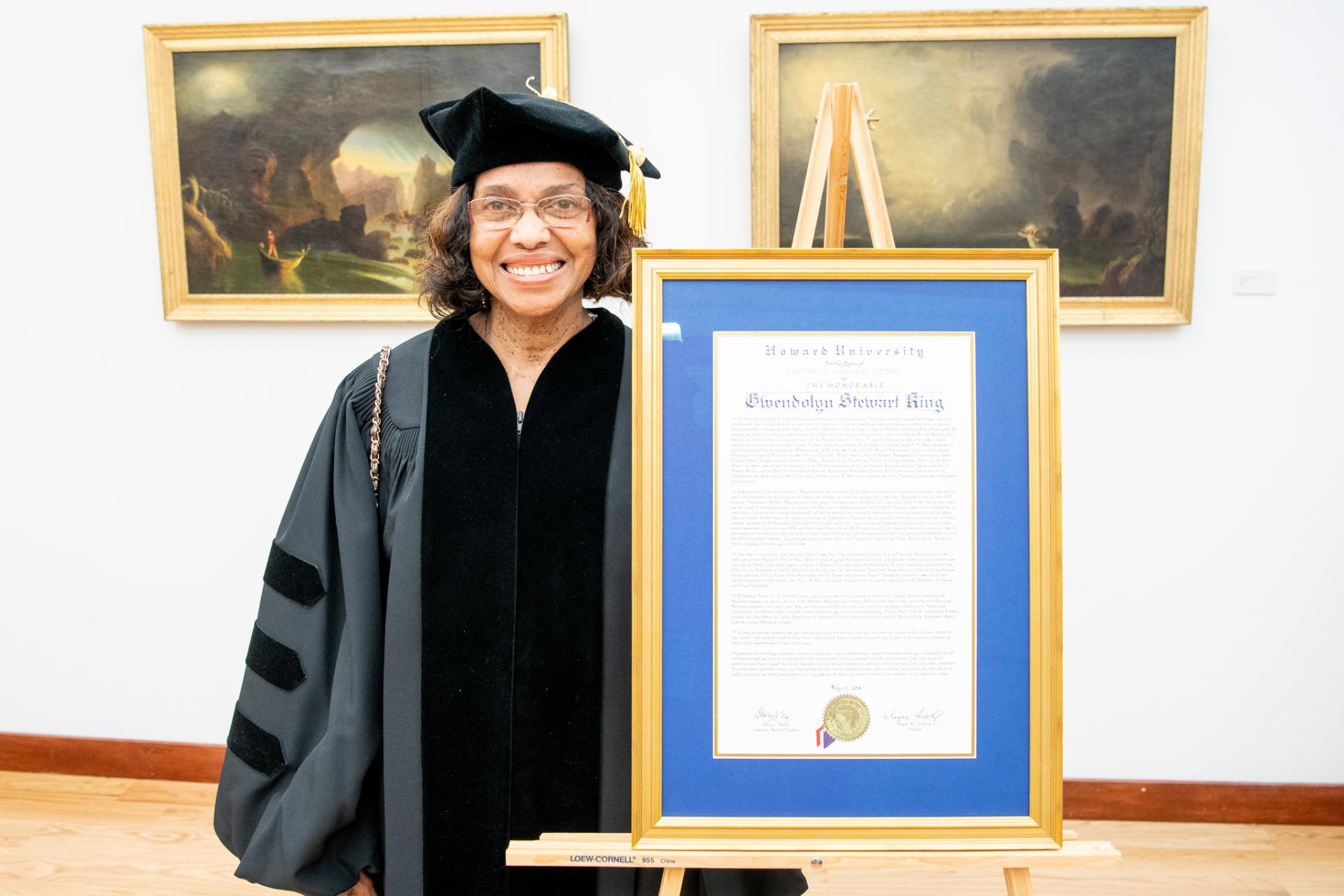
Gwendolyn Stewart King with her honorary Doctor of Humane Letters before the 2018 commencement exercises. (Justin Knight/Howard University)
An Enduring Investment
The Kings continue to recompense the university in ways both concrete and intangible, particularly via the Gwendolyn S. and Colbert I. King Endowed Chair in Public Policy, introduced in 2008. King shared in a 2025 conversation that the chair position was conceived to encourage highly accomplished individuals to visit Howard and share their experiences with current students, akin to how a young Gwen and Colby were stimulated and motivated while at The Mecca.
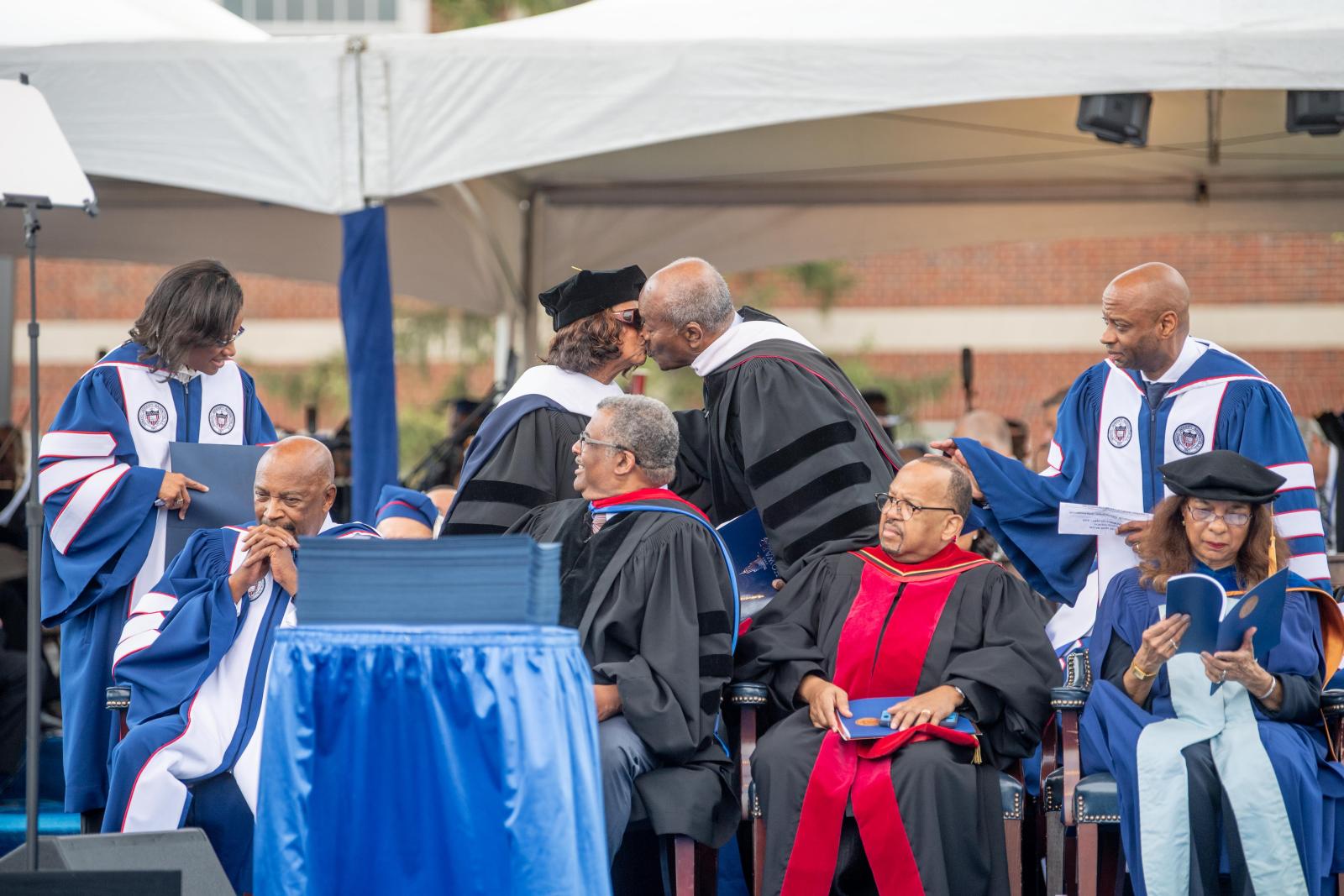
“So many of us would leave government and have to pretend to be busy until we landed somewhere,” she quipped. “We thought, ‘What if we could plug someone right into Howard, even just for a short period, so students see leadership up close while that leader thinks about what’s next?’”
In recognition of their outstanding contributions to society, the Kings were awarded honorary Doctor in Humane Letters degrees from Howard during their 2018 commencement exercises. As the King Endowed Chair concludes another strong academic year — this one under the leadership of Trustee Emerita Marie C. Johns — and nears its 20th anniversary, it is evident that Gwendolyn Stewart King has built an extraordinary legacy worthy of such enduring tribute.
King’s career offers a broader lesson in leadership — one grounded not simply in personal distinction, but in lasting encouragement to others. In every phase of her career, she has demonstrated that true leadership is not only about firsts, but about building institutions steeped in excellence, truth, and service.
Related Stories from Howard Magazine

Keep Reading
-
 *Legacy and History
Howard University 9/11 Initiative Unites Students with Veterans During 3 Days of Service, Reflection and Awareness
Sep 14, 2026 10 minutes -
 *Accolades
Unpacking Why Howard University Ranks as No. 1 on Forbes’ ‘America’s Top HBCUs’ List
Aug 18, 2026 9 minutes -
 *Change Makers
Howard University Trustee Arne Duncan’s Anti-Gun Violence Organization Takes the Spotlight in Documentary
Oct 2, 2026 6 minutes