Web Accessibility Support
Lineage: Howard Students and Alumni

Kiki Shepard’s Enduring Legacy: From Howard University to the Heart of Black America

Kiki Shepard

Long before she became a household name, Kiki Shepard (BBA ‘74) was a student at Howard University. As a graduate from the Howard University School of Business with artistic instincts, Shepard came of age in Chocolate City’s vibrant Black arts scene, where discipline, creativity, and ambition were not just encouraged, but expected.  

“She was not a dance or creative major at Howard,” said Carol Maillard, Shepard’s friend, actress and the third member of the Grammy Award-winning a cappella ensemble group Sweet Honey in the Rock. “She did her study in business. She was excellent in executing projects and organizing.”  

Outside the classroom, Shepard was deeply immersed in performance as a part of the creme-de-la-creme of Black dancers, actors, and musicians who would go on to shape American culture. Shepard died on March 16 at the age of 74, leaving behind an irreplicable impact and legacy.  
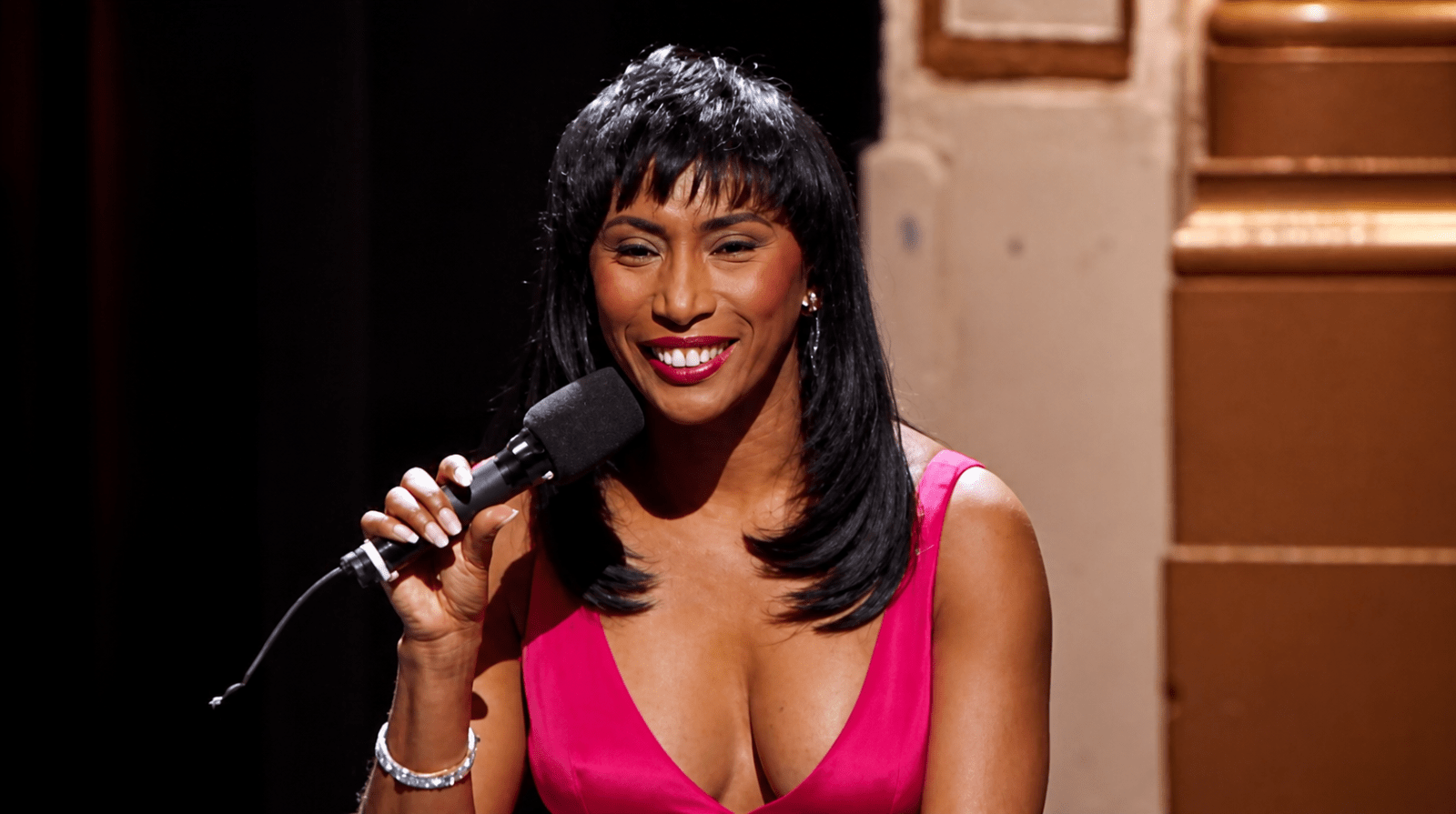
Kiki Shepard with Mic on Stage
Kiki Shepard.

Born July 15, 1951 in Tyler Texas, she was raised to be the best. Shepard's older sister, Von Gretchen, was the 1974 Miss Black America. Shepard began dancing worldwide in 1971. While she was a student at Howard, she became a charter member of the D.C. Repertory Dance Company.  

“There is a family of us,” Maillard said. “We all learned Black cultural excellence in the performing arts at the same time and that’s how we grew.” 

That foundation would carry Shepard from D.C. to New York City then to Los Angeles, where she built a career as a dancer and choreographer, navigating an industry that offered limited opportunities for Black women, but where she distinguished herself through both talent and vision.

Kiki at the Apollo 
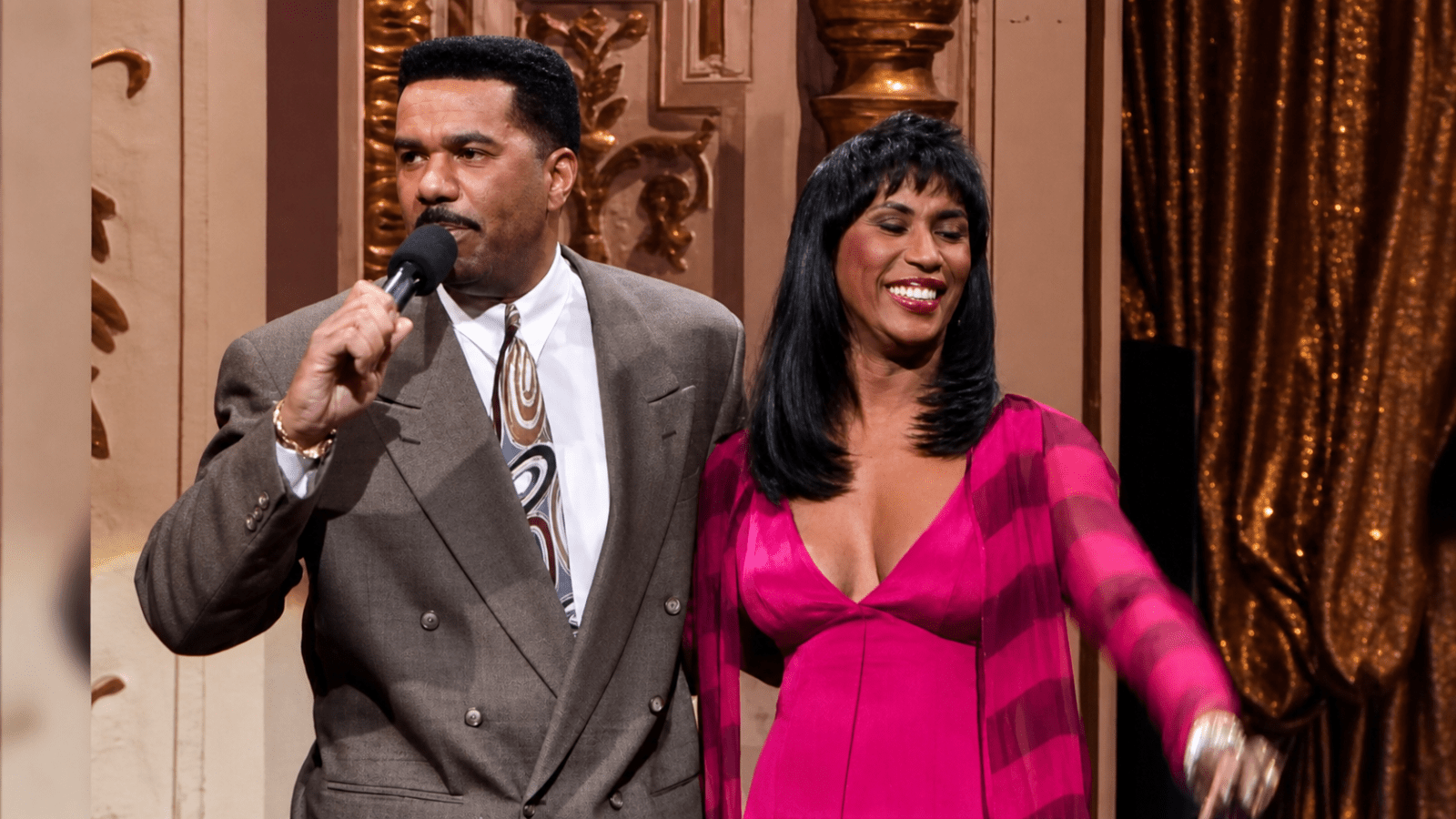
Kiki Shepard with Steve Harvey
Steve Harvey and Kiki Shepard during an episode of "Showtime at the Apollo."

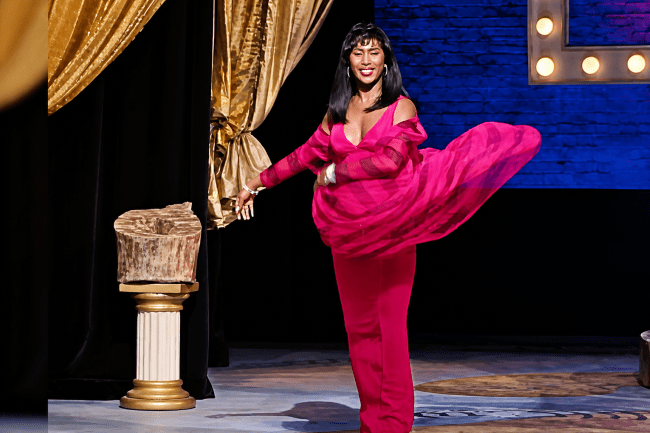
When Shepard arrived at the historic Apollo Theater during the rise of its TV show “Showtime at the Apollo” in the 1980s, she didn’t simply step into a role — she created one. At a time when visibility for Black women in television was often narrow, Shepard recognized an opportunity to define her own lane and pursued it with intention. Her role was to soften the atmosphere and add the touch of elegance that the viewers craved. At the end of each show, the finalists would lineup side-by-side as Shepard would gesture while the audience voted with their cheers.  For any performer, this part of the show was high pressure; this moment could define the trajectory of your career.  

“She created that role for herself,” said Paula Brown, a professional Alvin Ailey dancer (1975-1982), singer, actress, and choreographer. “We used to call her the Black Vanna White, and she came to them with that idea. You see an opportunity, you see a window, and you take advantage of it. She saw that,  and she was faithful. She stood her ground.”  

Showtime at the Apollo was a TIME 

For Black Americans in the 1980s and ’90s, “Showtime at the Apollo” was more than a television show, it was, and still is, a cultural institution. Before the rise of digital platforms, it served as a national stage where Black artistry could be seen, celebrated, and critiqued in real time.  

“Every Saturday night you saw some of the biggest or what would be the biggest in Black culture and music broadcasted to the world,” -  Howard alum Kamilah Forbes (BFA ’98), executive producer of the Apollo Theater. 

Virtually every Black celebrity comedian kickstarted their career on the show such as Chris Rock, Steve Harvey, Monique, and Richard Pryor. The show shaped not only careers, but conversation. It was a full unveiling of family life, personal experience that were unique to Black American culture and everyone was watching. At the center of that cultural rhythm was Shepard. She was poised, composed, and constant. “It was the water cooler conversation on Monday after Saturday night and therein shaped culture based on what happened on that stage every single Saturday night,” Forbes said.  

“Kiki was a direct part of that,” Forbes added. “She was truly a household name.” For audiences across the country, her presence brought continuity to a stage defined by unpredictability, balancing the highs of breakthrough performances with the sting of rejection that became synonymous with the Apollo experience.  It was an instantaneous, live “comment section” in the audience and if they didn’t like your performance, you knew immediately because they would literally “boo” you off the stage. 

Shepard’s impact extended beyond her role. She embodied a form of representation that was both rare and deeply resonant. “She was a beautiful brown-skinned woman who had to go through whatever she had to go through, when that color was not what they wanted to see,” Mallard said. “And she persevered.”  

That perseverance defined not only her career, but her character. Within the industry, Shepard was respected as both an artist and a strategist. She was someone who understood how to navigate systems while staying true to herself. 

“She is a dynamic force of nature,” Maillard noted. “She is kind. She’s creative. She’s forceful in a very sweet and disarming kind of way. She’s gonna be your ride or die … if she got two pennies to rub together, she’s gonna make three and give you one.” 

The Apollo Theater has long been a cornerstone of Black cultural expression; a place where artists and audiences meet in shared experience. “This was the only theater in New York City that Black artists could be on the stage and in the audience at the same time,” Forbes said. Over time, it became something even greater. “Apollo became a town hall, a convener, and home of the Black imagination,” she said. 

Shepard stood at the heart of that legacy not just as a host, but as a symbol of possibility. 

“She was a trailblazer, you just really have to have vision and create your own,” Brown said. “And that’s what she did. She made a name for herself.” 

In honoring Kiki Shepard, we remember a woman who understood how to create space where none existed, who stood in it with grace, determination, and purpose. Her legacy lives not only within the history of the ApolloTheater and Howard, but in the generations of artists and audiences who saw themselves reflected in her presence.