

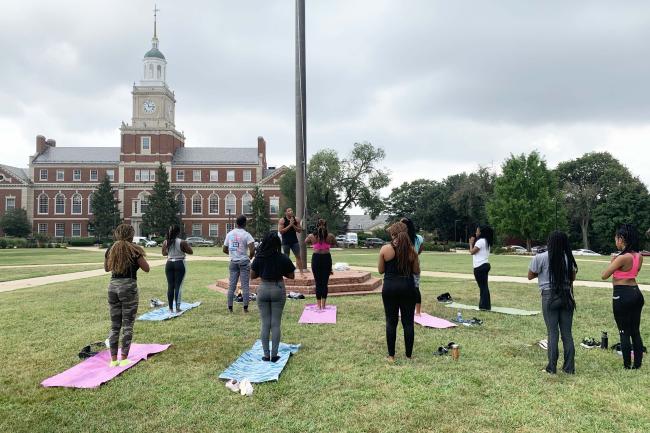
Access and knowledge to a diverse range of mental health resources have become increasingly prevalent as more people are realizing the importance of maintaining their mental and emotional wellness. This has particularly become a rising topic of conversation for men. According to recent data from the National Institute of Mental Health, approximately 1 in 5 men experience anxiety or depression annually, with suicide rates among men being four times higher than women. Last month, for Men’s Mental Health Awareness Month, The Dig sat down with Howard University’s Executive Director of University Counseling Service Marcus Hummings, Psy.D., and two yogis to explore how vulnerability impacts men’s mental health, and how Black men can better navigate their mental health status.
“Men’s Mental Health Awareness Month is important because it creates space for conversations that many men were taught to avoid,” said Hummings. “Mental health affects academic performance, relationships, physical health, leadership, and overall quality of life. The focus on men’s mental health during this month helps increase awareness, reduce stigma, and encourage early help-seeking. In the university setting, it also reminds us that supporting men’s mental health is not only an individual issue, but also a community responsibility. When students feel supported and connected, they are more likely to thrive academically and personally.”
Yoga as a Mental Wellness Resource
Studies have shown that women are more likely to be diagnosed with anxiety. However, according to a 2020 study in the International Journal of Social Psychiatry, men are more likely to believe they should handle it alone.
What do you picture when you hear the word yoga? If you’re picturing a woman, your assumption would technically be “correct” according to the dominant narrative. This bias is the result of a lack of diverse gender representation in the yoga space and has directly contributed to the reluctance men often feel when trying to find mental health resources such as yoga.
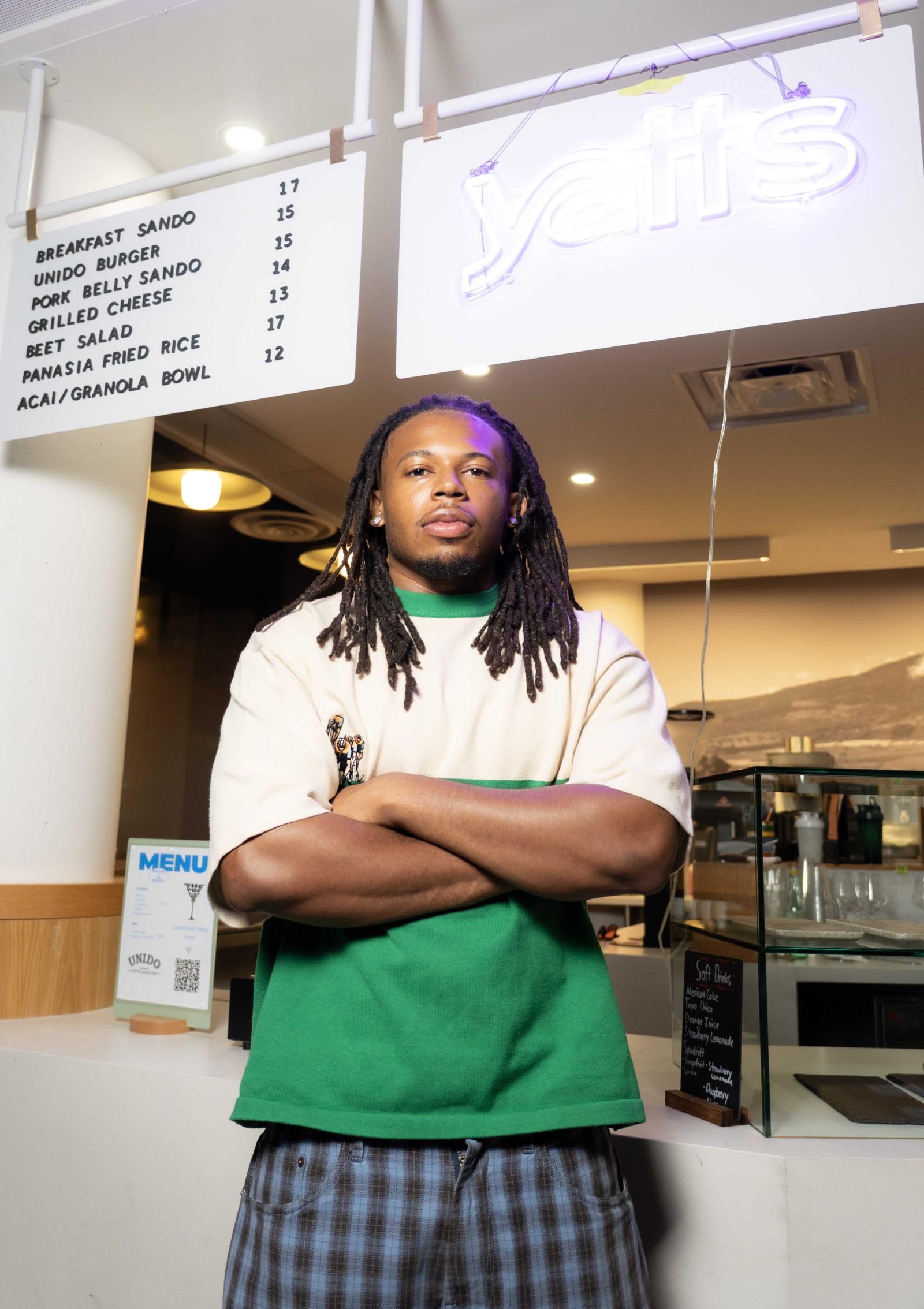
Che Ewell, a rising Howard senior majoring in supply chain management from Philadelphia, Pennslyvania, went to his very first yoga class with his mom after tearing his ACL during his time as a high school athlete. Not only did Ewell find physical healing there, but also a way to improve every aspect of his life.
“I felt grounded in a way that I hadn’t felt since tearing my ACL,” he said. “I used to find a lot of peace playing basketball, but once that was gone, yoga replaced that tenfold.”
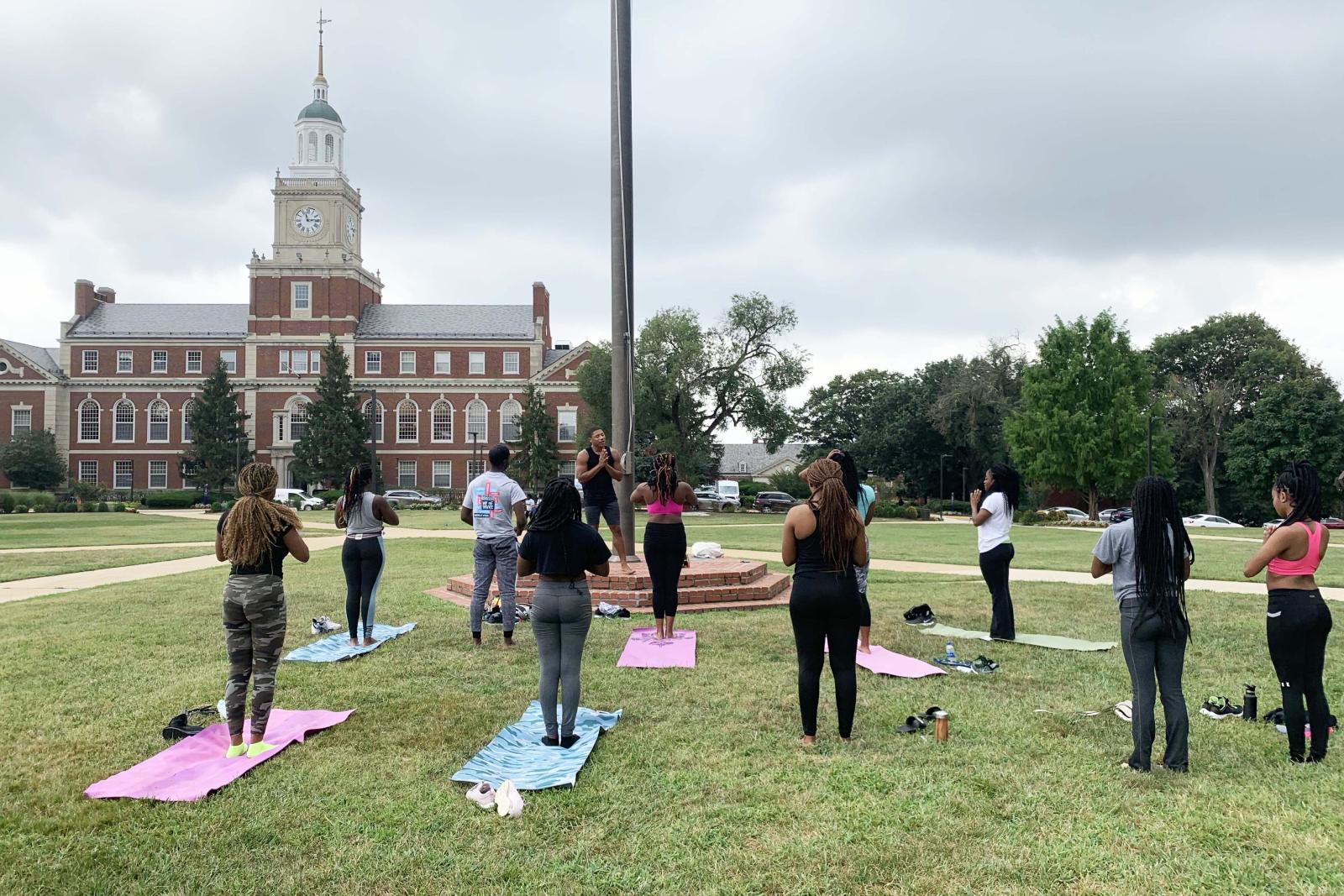
As a freshman, Ewell continued going to classes at a local yoga studio, and it didn’t take long for him to incorporate the practice into his routine. After the only two male instructors left his studio, he decided to get his teaching license and joined the 13 percent of male yoga instructors in the U.S. This was out of Ewell’s appreciation for the practice as well as an attempt to give his friends the same experience he had.
“I would bring my friends with me, primarily women,” Ewell recalled. “My homies, they'd be like, ‘I'm not going to yoga, that's what girls do.’ It's interesting, almost like this Western ideation of yoga. They said, ‘if you start teaching, we'll support you.’ So, I thought, you know what? Let me start teaching.”
Yoga is so beneficial to men’s health that alum Brandon Copeland (B.A. ‘14) created a different style just so men would feel more inclined to participate: Trap Yoga. The yoga style is a dynamic, high-energy style of yoga that blends traditional Vinyasa-style asanas with the heavy basslines and rhythmic beats of trap music.
Since ideating Trap Yoga in 2012 while studying at Howard, Brandon built a community in D.C. and Atlanta with his company Khepera Wellness. Practicing yoga prepared him for navigating the major life changes that college brings, along with unexpectedly becoming a father while matriculating through school.
“I did all of these things to get into this college, and I was having a great time, and meeting all these people, and I just didn't know that I was prepared to deal with a new way of life,” said Copeland. ”So, I started practicing. I liked it and kept doing it because [I realized] it didn't change my circumstance, but it changed my perspective … it has always given me the permission to live as myself.”
Leaning into Vulnerability
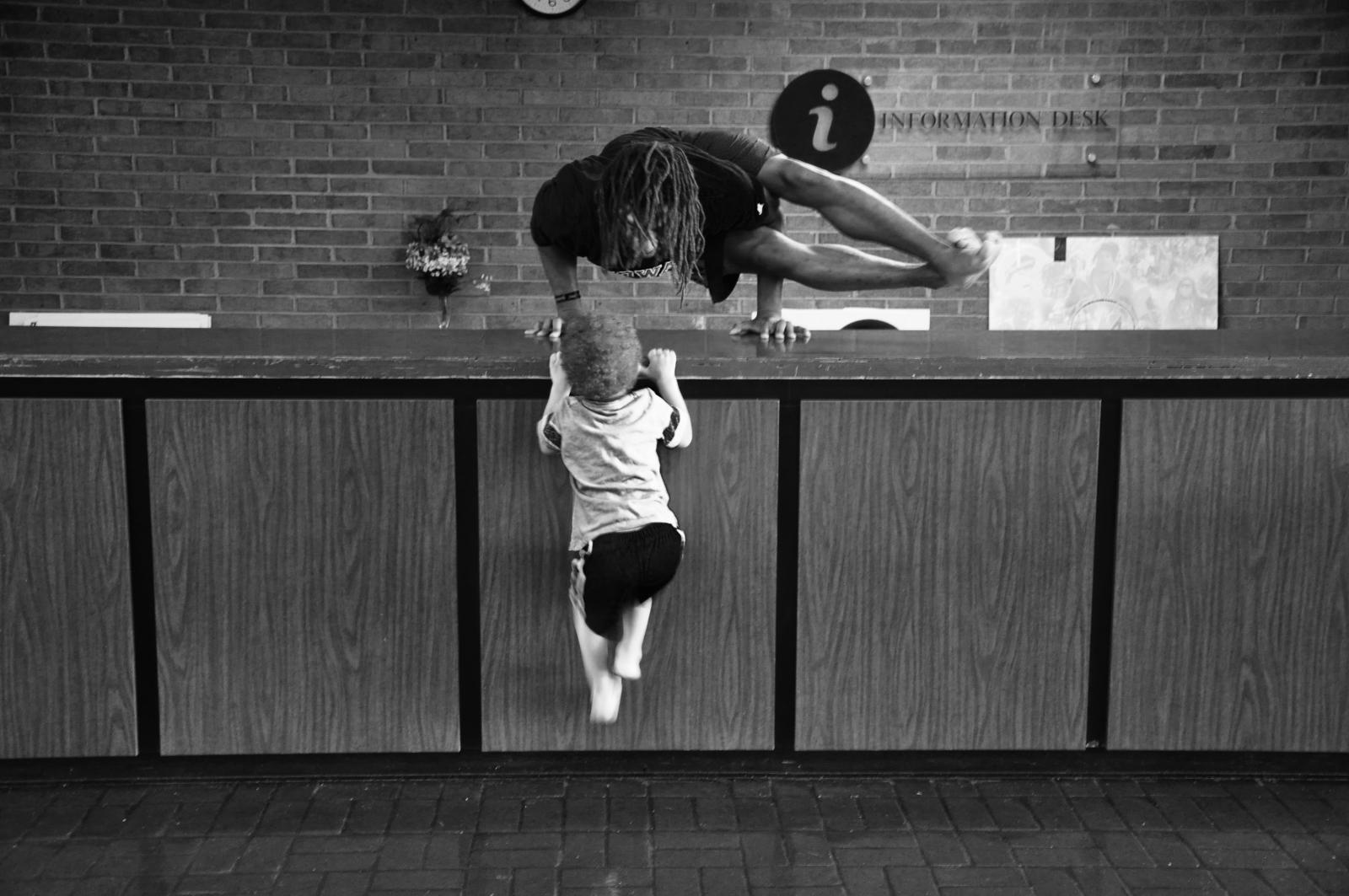
Similar to Ewell, Copeland observed a reluctance from the men when it comes to practicing yoga as a source of mental wellness. If you were on Howard’s campus during Copeland’s time at the university, you might have found him doing Astavakrasana in the Information Lab or a handstand outside of Blackburn. Copeland’s frequent acts of vulnerability through yoga often encouraged open dialogue and conversation surrounding the practice and mental health.
“I know that, as a Black man, what we have with our bodies and with the way we have perceived ourselves, and that perception being traded in for something that looks like ballet or something ...Who am I going to brag to that I did a handstand?” he said.
There is so much to be said about taking the time to be vulnerable and its potential to improve people’s quality of life. But who is saying it and how plays a much larger role than most people think.
“As more men see themselves being vulnerable, the more they start to show up for themselves,” Copeland added. “As much as me and Che could tell you, ‘this is what yoga is’, you need to go through that experience. That's a scary experience, to grow.”
Copeland and Ewell encourage everyone to participate and take care of their mental health and to not let a lack of representation stop them.
Hummings shared recommendations on how to maintain healthy mental health wellness, advising people to “pay attention to your mental health the same way you pay attention to your physical health. Notice changes in sleep, mood, energy, concentration, or behavior.”
Other recommendations include:
- Building routines that support wellbeing. Consistent sleep, physical activity, nutrition, and time for recovery matters more than most students realize.
- Stay connected. Isolation increases risk. Make time for friends, mentors, family, faith communities, teams, or organizations that provide support and belonging.
- Ask for help early. You do not need to wait until you are overwhelmed. Reaching out sooner often makes challenges easier to address.
- Support others. Check in on friends. Ask direct questions when someone seems withdrawn or distressed. Listen without immediately trying to solve the problem. Encourage professional support when needed.
- Resilience is not about never struggling. It is about learning how to respond to challenges, seek support, adapt, and continue moving forward. The strongest communities are those where people look out for one another and recognize that mental health is a normal part of overall health.
- The strongest men are not the ones who never need help. The strongest men are the ones who recognize when they need support and have the courage to seek it.
Keep Reading
-
 *Accolades
Howard University CEA Professor Sonya Smith Elected to AIAA Class of 2026 Fellows
Sep 28, 2026 3 minutes -
 Epiphanies, Discovery, and Research
Howard University Researchers Advance Decade-Long Study of HIV and Sickle Cell Disease
Sep 23, 2026 4 minutes -
 *Community
A Backpack, a Fresh Start: Howard University Supports D.C. Students
Sep 29, 2026 3 minutes