

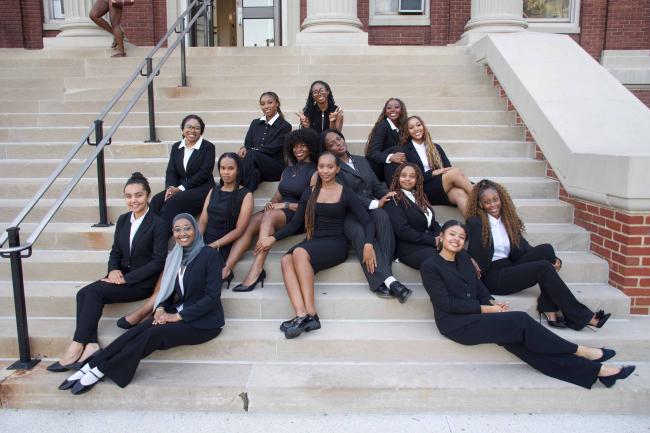
(Pictured above: Members of Howard's Engineers Without Borders Chapter)
As Howard University joins the global community in celebrating International Women in Engineering Day on June 23, Howard women whose innovation and leadership continue to shape the future of STEM as architects and engineers reflect the university’s commitment to preparing engineers to lead with purpose. The commitment is rooted in a long legacy of service, excellence, and representation.
Women across the College of Engineering and Architecture contribute to the Howard legacy every day through research, global service, industry internships, and community impact. Their presence strengthens a field where women, especially Black women, remain underrepresented. Howard continues to expand opportunities for women in civil, chemical, electrical, mechanical, and computer engineering through rigorous academic preparation and hands on, experiential learning.
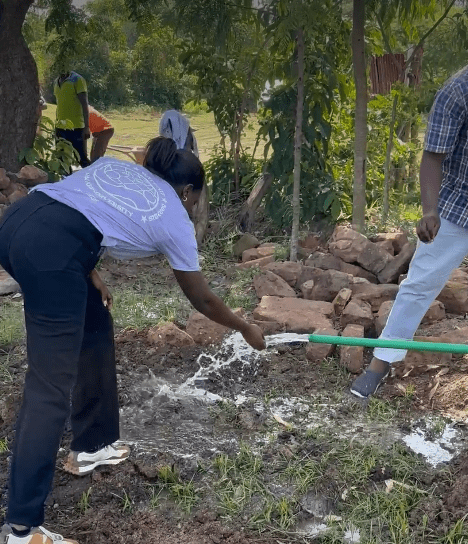
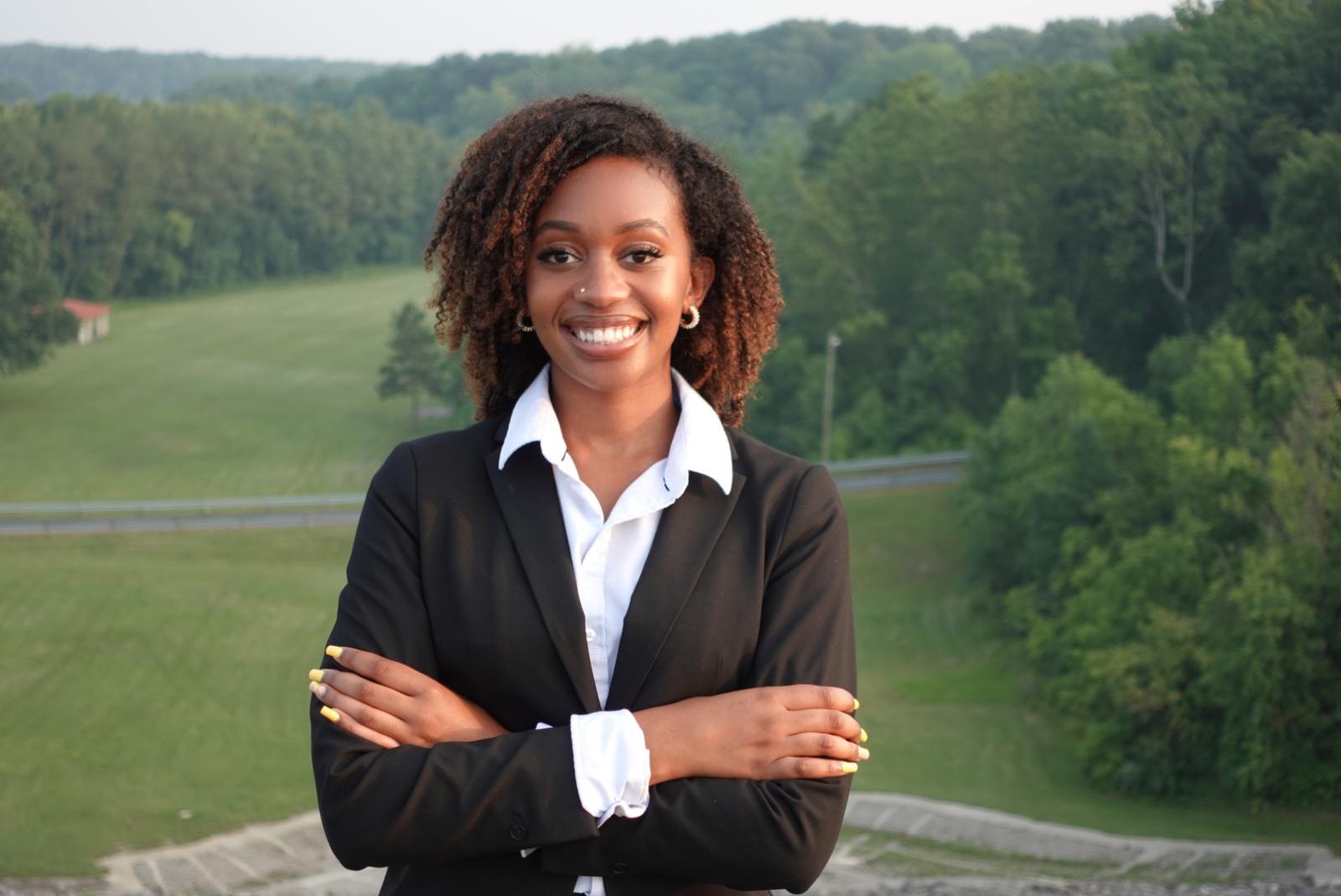
Howard’s experiential learning regiment extends across continents. For example, recent chemical engineering graduate Monica Maya led a group of Howard engineering students, including Soya Pearson, Karma Parsons, Esra Omar, and Halayah Vann — all young women — on a mission to help provide water for a community in rural Kenya. Guided by faculty advisor John Tharakan, Ph.D., professor of chemical engineering, the group led phases of a multi-year project through the Howard Engineers Without Borders Chapter to eventually provide clean, desalinated water in Kogwari community in Homa Bay County, Nyanza, Kenya.
After a site visit to Kenya in 2025, the group designed a borehole water retrieval system, through which a solar-powered pump pulls groundwater through a narrow pipe for distribution and the system is already saving community members from the need to collect water from muddy ponds nearby. The next phase of the project will involve water treatment.
Maya’s purpose grew from a commitment to ethical and community centered engineering.
When young people can see themselves in these spaces, they are empowered to create solutions that can change lives around the world.
“Engineering has the power to improve lives by solving real problems that affect communities every day," said Maya. "Whether it is access to clean water, stronger infrastructure, or innovative technology, the impact extends far beyond the technical work. As a Black woman in engineering, I have also seen how important representation is. Seeing two former Black presidents of Engineers Without Borders - HU showed me that leadership was possible for someone like me. It really gave me the courage to lead, and I know I did just that. That experience reinforced my belief that increasing visibility and STEM opportunities for Black youth is essential because when young people can see themselves in these spaces, they are empowered to create solutions that can change lives around the world.”
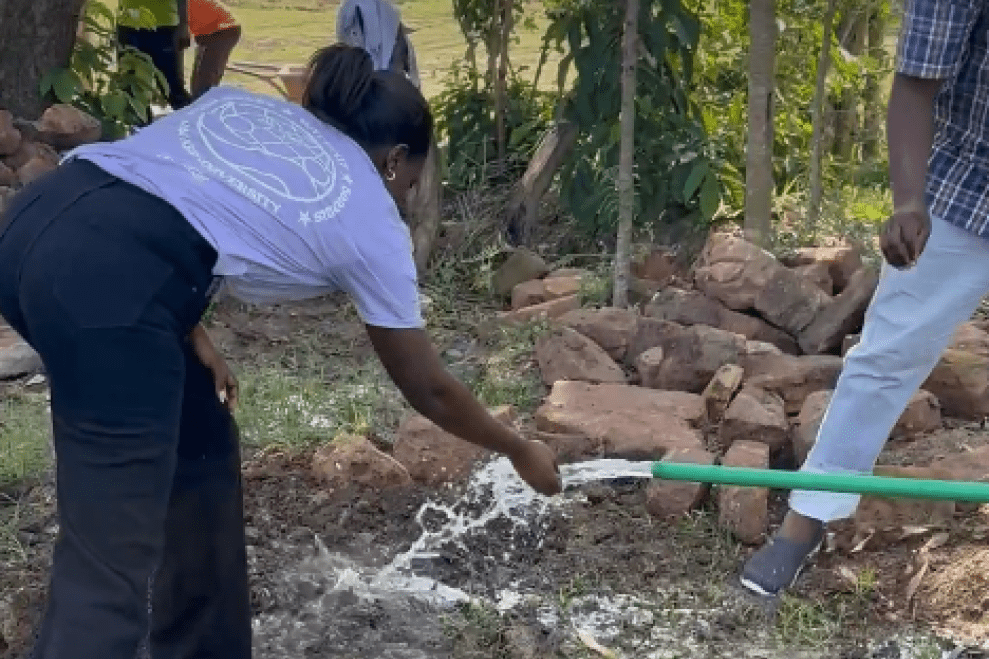
College of Engineering and Architecture Students Supply Water to a Kenyan Community and Earn National Recognition
The national recognition reflects the impact of a hands-on, student-driven initiative through the Engineers Without Borders Howard University Chapter led by recent chemical engineering graduate Monica Maya and faculty advisor John Tharakan, Ph.D.
Her story reflects the values shared by many women in the College of Engineering and Architecture showing how engineering can be a a tool for service and global impact. Under the leadership of Dean Kimberly L. Jones, Ph.D., the college is building on its future-focused momentum to equip students with the education, experiences, and tools to prepare them for rapidly changing fields. Her transformative leadership is grounded in her own experience. Her vision includes strengthening student support systems, expanding research competitiveness, increasing industry partnerships, and deepening alumni engagement. Her presence reinforces Howard’s mission to prepare engineers who lead with integrity and a commitment to service. As she works to expand Makerspace access and global service opportunities, Jones is helping to prepare Howard’s engineers not only to enter the workforce, but to also lead it.
As we work to expand opportunities for experiential learning, global engagement, and industry collaboration, we remain committed to preparing the next generation of women engineers to lead with excellence, integrity, and purpose.
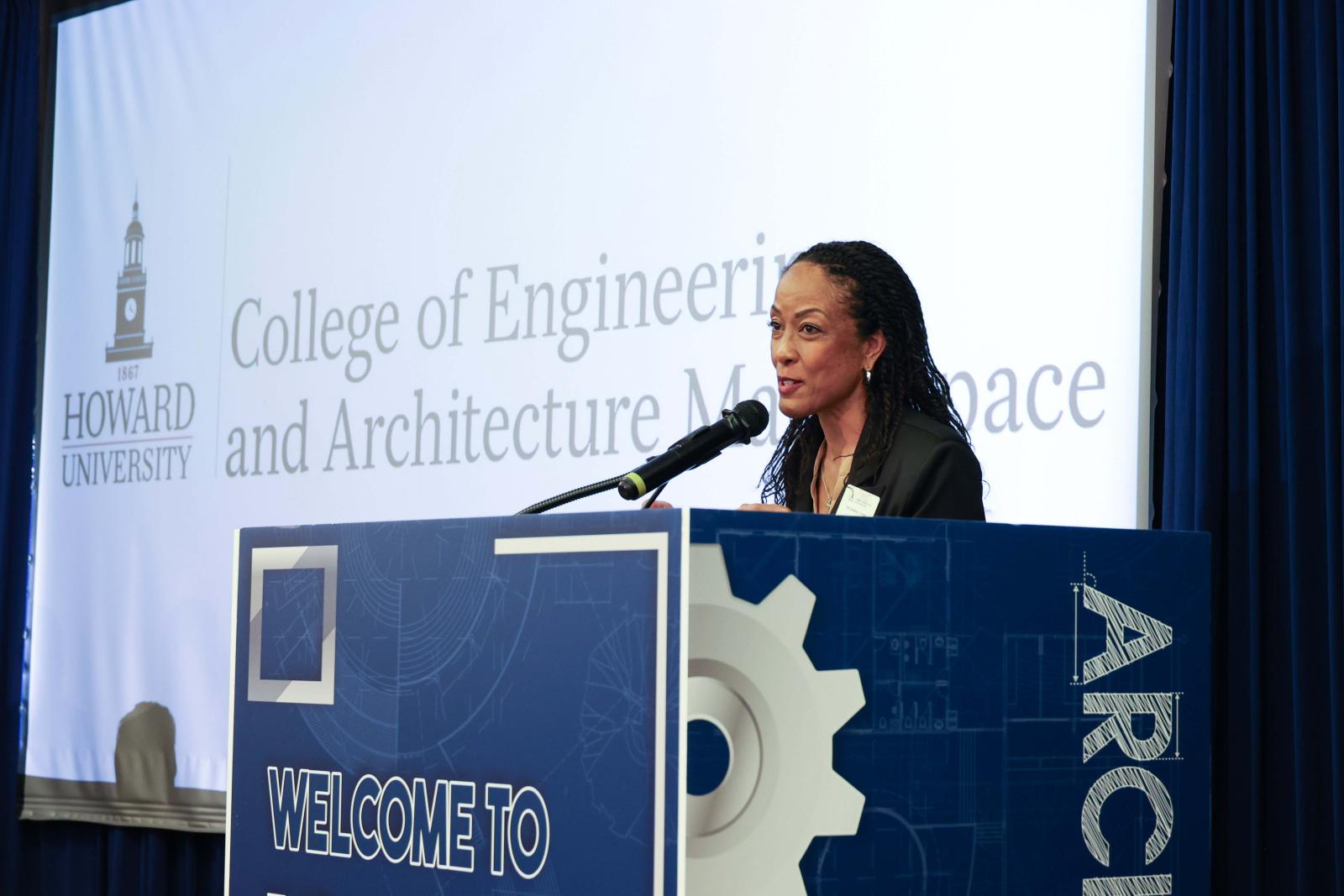
“International Women in Engineering Day is an opportunity to celebrate the remarkable women whose talent, determination, and leadership continue to transform the engineering profession," said Jones. "At Howard University, we are proud to cultivate an environment where women are empowered to excel through rigorous academic preparation, research, innovation, and service. The achievements of our students and alumni demonstrate that engineering is not only about solving technical challenges—it is about improving lives and strengthening communities. As we work to expand opportunities for experiential learning, global engagement, and industry collaboration, we remain committed to preparing the next generation of women engineers to lead with excellence, integrity, and purpose.”
Representation remains central to the meaning of International Women in Engineering Day, especially as Black women make up less than two percent of the national engineering workforce. At Howard, representation is a lived reality rather than an aspiration, with women leading many student organizations, research teams, and global service projects. Their work fosters innovation and ensures engineering solutions reflect community needs, with an impact reaching far beyond campus and into communities around the world.
Keep Reading
-
 News
NewsHoward University Names Jasmine Gurley as Senior Director of Public Relations
Oct 14, 2026 3 minutes -
 *Accolades
Howard University CEA Professor Sonya Smith Elected to AIAA Class of 2026 Fellows
Sep 28, 2026 3 minutes -
 Legacy and Lineage
Howard University Honors Retirees, Inaugurates Academic Year at 159th Opening Convocation
Sep 25, 2026 6 minutes