

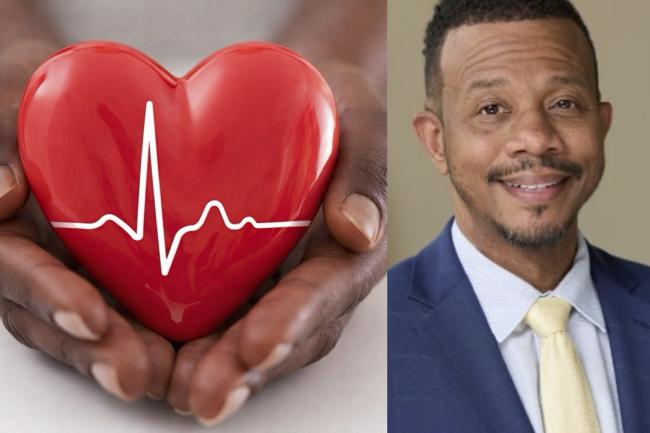
February is American Heart Health Month, and Howard University Hospital, in partnership with the Howard University Faculty Practice Plan (FPP), is reaffirming its commitment to preventing heart disease and improving cardiovascular outcomes in communities disproportionately affected by heart-related conditions.
Heart disease remains the leading cause of death nationwide, with Black Americans facing disproportionately higher rates of hypertension, stroke, and other cardiac complications. In Washington, D.C., these disparities are especially pronounced east of the Anacostia River, where residents experience elevated rates of heart disease and stroke, compounded by reduced access to preventive care and specialty services.
In addition, longstanding structural inequities, social determinants of health, and delayed diagnoses continue to place these communities at increased risk for poor cardiovascular outcomes. As part of American Heart Month, Howard University Hospital is also offering practical heart-health tips, outlined at the end of this story, to help poeple take action beyond the clinic.

“Heart disease and mortality rates in Washington, D.C.’s Black and underserved communities are at an alarming statistic. Addressing these disparities requires early intervention, access to care, and sustained community engagement,” said Raymond Young, M.D., Howard University Hospital cardiologist. “Our mission goes beyond treatment. We are focused on prevention, education, and empowering patients to know their numbers and take control of their heart health in order to live longer, healthier lives.”
Howard University Hospital and the Faculty Practice Plan remain deeply committed to closing these gaps through sustained community-based education and outreach, regular health screenings, and culturally responsive, expert cardiovascular care.
On Thursday, Feb. 13, the hospital will host Healthy Heart Day from 11 a.m. to 2 p.m. in the HUH cafeteria, offering resources and information focused on cardiovascular wellness. Additional outreach continues later in the month with a Heart Health Fair and cardiology community outreach screenings Feb. 21, also in the HUH cafeteria.
Young states that meeting patients where they are and addressing health disparities head-on will lead to better long-term cardiovascular outcomes in underserved communities. “When we bring care into the community and remove barriers to access, we can change the lives of our residents,” Young said.
For more information or to schedule an appointment, visit www.huhealthcare.com
For media inquiries about Howard University Hospital heart health experts, contact Tony Blue via ablue@huhosp.org
HUH Healthy Heart Tips: What You Can Do

Tip No. 1: Know Your Numbers
Blood pressure, cholesterol, and blood sugar matter. Ask your provider what your numbers should be — and check them regularly.
Tip No. 2: Move a Little Every Day
You don’t need a gym. Walking, dancing, stretching, or taking the stairs for just 30 minutes a day can strengthen your heart.
Tip No. 3: Eat Smart for Your Heart
Choose more fruits, vegetables, whole grains, lean proteins, and limit salt, sugar, and fried foods when possible.
Tip No. 4: Manage Stress
Chronic stress can harm your heart. Try deep breathing, prayer, meditation, or taking time to rest and reset.
Tip No. 5: Don’t Ignore the Signs
Chest pain, shortness of breath, dizziness, fatigue, or pain in the jaw or arm — especially in women — should never be ignored.
Tip No. 6: Quit Smoking & Limit Alcohol
Smoking damages blood vessels and raises heart disease risk. Reducing or quitting can significantly improve heart health.
Tip No. 7: Get Enough Sleep
Aim for 7-8 hours of sleep each night. Poor sleep is linked to high blood pressure and heart disease.
Tip No. 8: Schedule Regular Checkups
Preventive care saves lives. Seeing your doctor regularly helps catch heart issues early — when they’re most treatable.
Tip No. 9: Take Medications as Prescribed
If you’ve been prescribed heart or blood pressure medication, take it as directed and talk to your provider before stopping.
###
Keep Reading
-
 *Legacy and History
Howard University 9/11 Initiative Unites Students with Veterans During 3 Days of Service, Reflection and Awareness
Sep 14, 2026 10 minutes -
 Epiphanies, Discovery, and Research
Howard University Doctoral Student Receives Competitive Dissertation Fellowship, Examines Faith in Educational Experiences of Black Students
Sep 4, 2026 5 minutes -
 Global and Diaspora
Former President of Trinidad and Tobago Visits Howard University for Fireside Chat on Global Leadership
Sep 3, 2026 6 minutes