

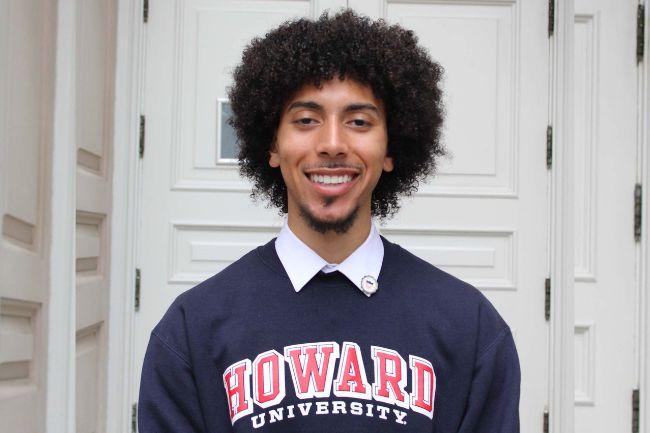
Last spring, Payton Garcia, vice president of the Howard University Student Association (HUSA), secured funding from the Robert and Ethel Kennedy Human Rights Center’s John Lewis Young Leaders Program to study student housing challenges. When Garcia shared the preliminary findings with Wayne A.I. Frederick, Howard University interim president, president emeritus, and Charles R. Drew Professor of Surgery, Frederick agreed to support the effort. What started out as a student capstone project is now a major emergency relief initiative at Howard.
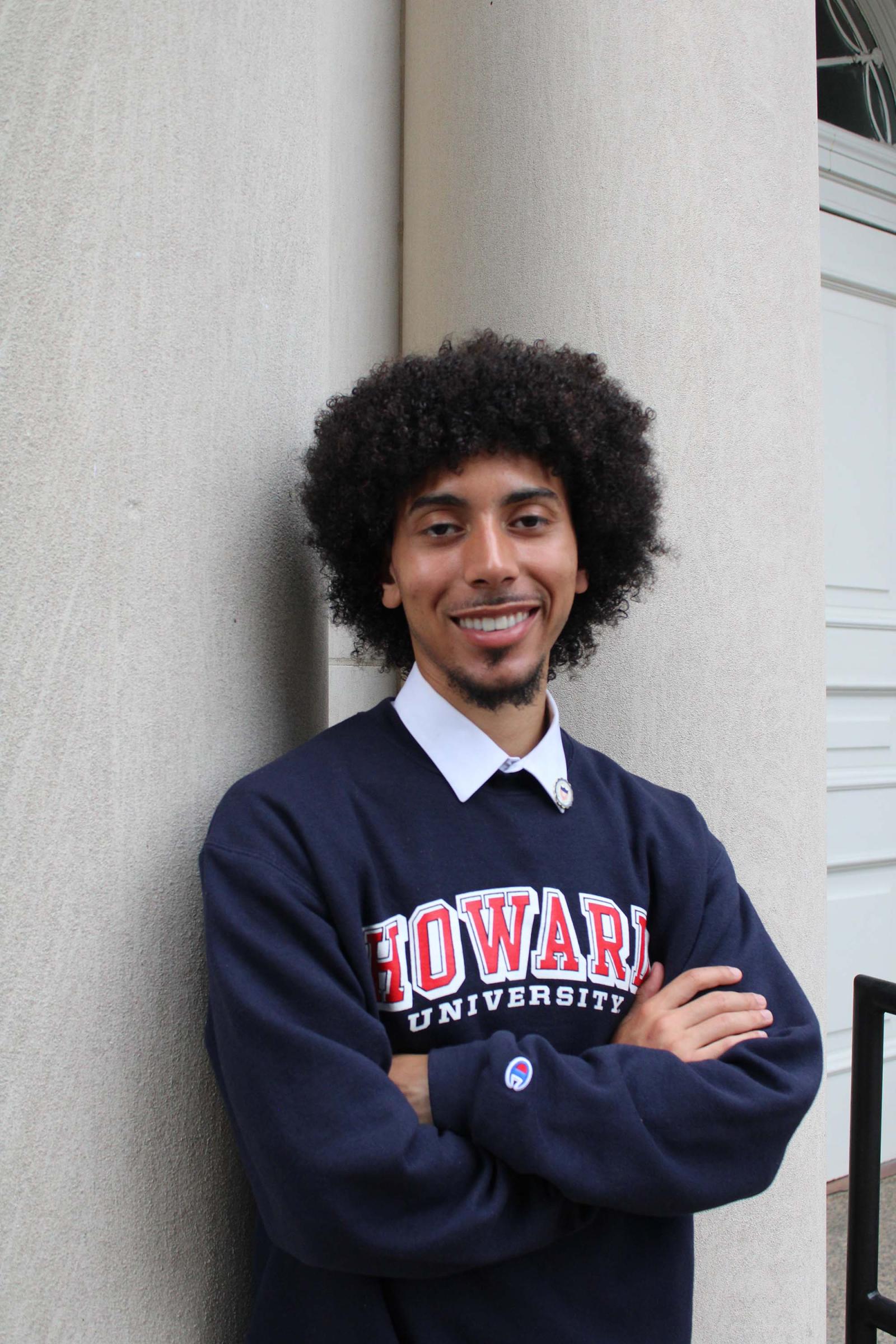
“Every year I have been at Howard, I have witnessed my peers face a tremendous struggle to live independently off campus,” said Garcia. “As we elevate the national prestige of Howard University, we must equally expand access to the safety nets that accommodate the immediate needs of the students who breathe life into this place.”
Garcia designed the project as a data problem: systematically documenting the challenges students face in the rental market in the District of Columbia. His mixed method of study involved review of university planning documents, including data formed through surveys, interviews, and testimonials from students, alumni, longtime residents, and landlords.
Of 799 students surveyed, 71 percent rated finding affordable housing as maximally difficult. Nearly every respondent, 97 percent, cited “rent too high” as a primary barrier. Worse, 39 percent are currently behind on rent or utilities, and over half reported a housing emergency within 60 days.
Transportation emerged as the second biggest barrier. Seventy-two percent of students struggle to balance campus proximity with affordability, while large security deposits and strict credit history requirements often hinder first-time renters.
Garcia turned the findings into action, mobilizing HUSA’s student leaders to distribute resource packets covering tenants’ rights, Howard University services, and the school’s Apartments.com platform.
By illuminating individual struggles, we can prove exactly how students are displaced and use that proof to deliver invaluable relief. ” —Payton Garcia
“We didn’t need a survey to tell us the housing market was stacked against us; the true power of this data is its application. By illuminating individual struggles, we can prove exactly how students are displaced and use that proof to deliver invaluable relief,” Garcia explained.
The combined funding facilitated a needs-based emergency assistance application process, with eligibility determined through demonstrated need as documented via Garcia’s comprehensive survey. Emergency Assistance included up to $1,000 in financial relief, alongside additional funding for students that followed up in longer interviews. Eighty-nine percent of applicants said the $1000 would “definitely” reduce or prevent an immediate housing crisis. Recipients have used funds for past due rent, utilities, groceries, transportation, and emergency moves.
“My most urgent housing need is support with rent, groceries, or transportation,” wrote one junior nursing student from Massachusetts. “These expenses have become difficult to manage while staying focused on school.”
Garcia’s project demonstrates that student-led research can play a critical role in addressing critical human challenges, including housing affordability, through the generation of data-driven insights.
Keep Reading
-
 Lineage: Howard Students and Alumni
Who’s Bad? Howard University Alum Marci Rodgers, a True Thriller as ‘Michael’ Movie Costume Designer
Jul 16, 2026 8 minutes -
 Epiphanies, Discovery, and Research
Howard University, NEON Bridge High School & Higher Education
Jul 15, 2026 6 minutes -
 Artificial Intelligence
Howard University Researcher Kamilah Woodson Develops A.I.-Powered Platform to Expand Mental Health Support for Students
Jul 31, 2026 6 minutes