


The Howard University College of Arts and Sciences hosted programming as part of the 30th Annual Women Ambassadors Conference, featuring the university as the second stop of its three-city event series.
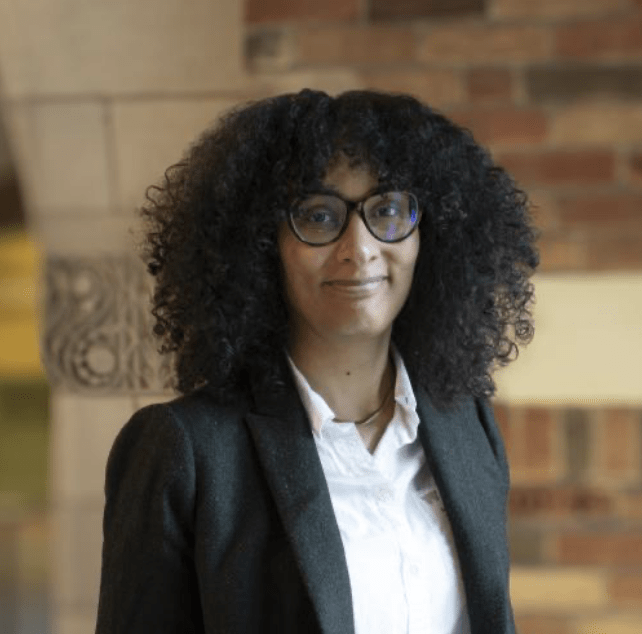
Howard’s convening, held Mar. 26, brought together scholars, creatives, and students for a day of dialogue centered on Afrofuturism, ancestral memory, and navigating the current cultural moment. Designed as both an academic and cultural exchange, the event emphasized global Black and diasporic perspectives, with a focus on intergenerational knowledge and collective futures. Dr. Monica Styles, assistant professor of Spanish at the university, guided conversations around language, identity, and transnational connection.
Featured speakers included Yolanda Arroyo Pizarro, a Puerto Rican novelist and director of the Department of Afro Puerto Rican Studies and Creative Writing in Puerto Rico. In her keynote address, she challenged attendees to reconsider linear notions of time, describing existence instead as a “time space continuum” in which the past, present, and future are in constant dialogue.
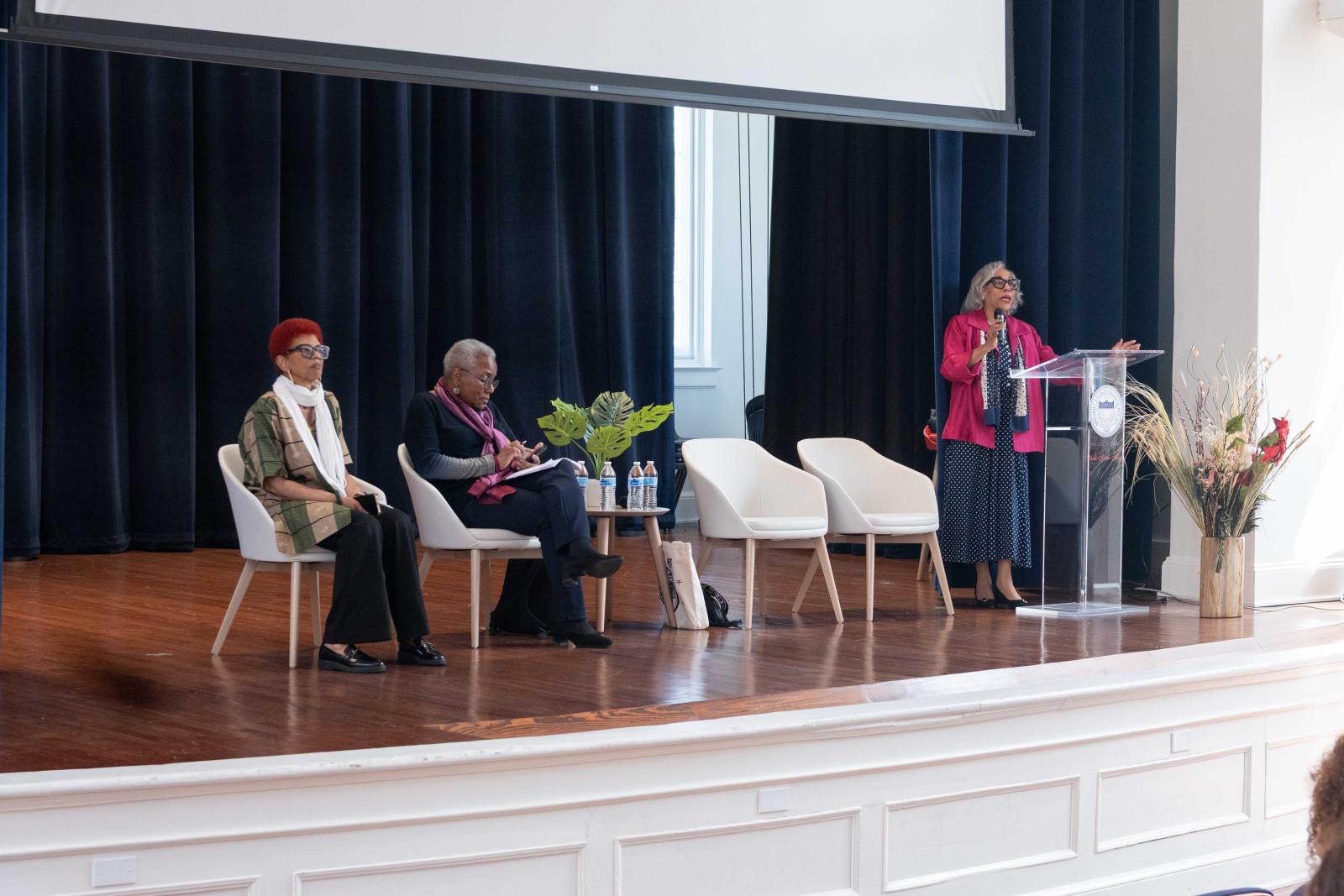
Arroyo Pizarro went on to urge participants to see themselves as “walking libraries,” carriers of ancestral knowledge and lived experience, and as “the echo of these steps,” continuing the journeys of those who came before them.
She framed archival work not as passive preservation but as an active, revolutionary practice — one that “fans the fire of our history” and transforms memory into a tool for justice.
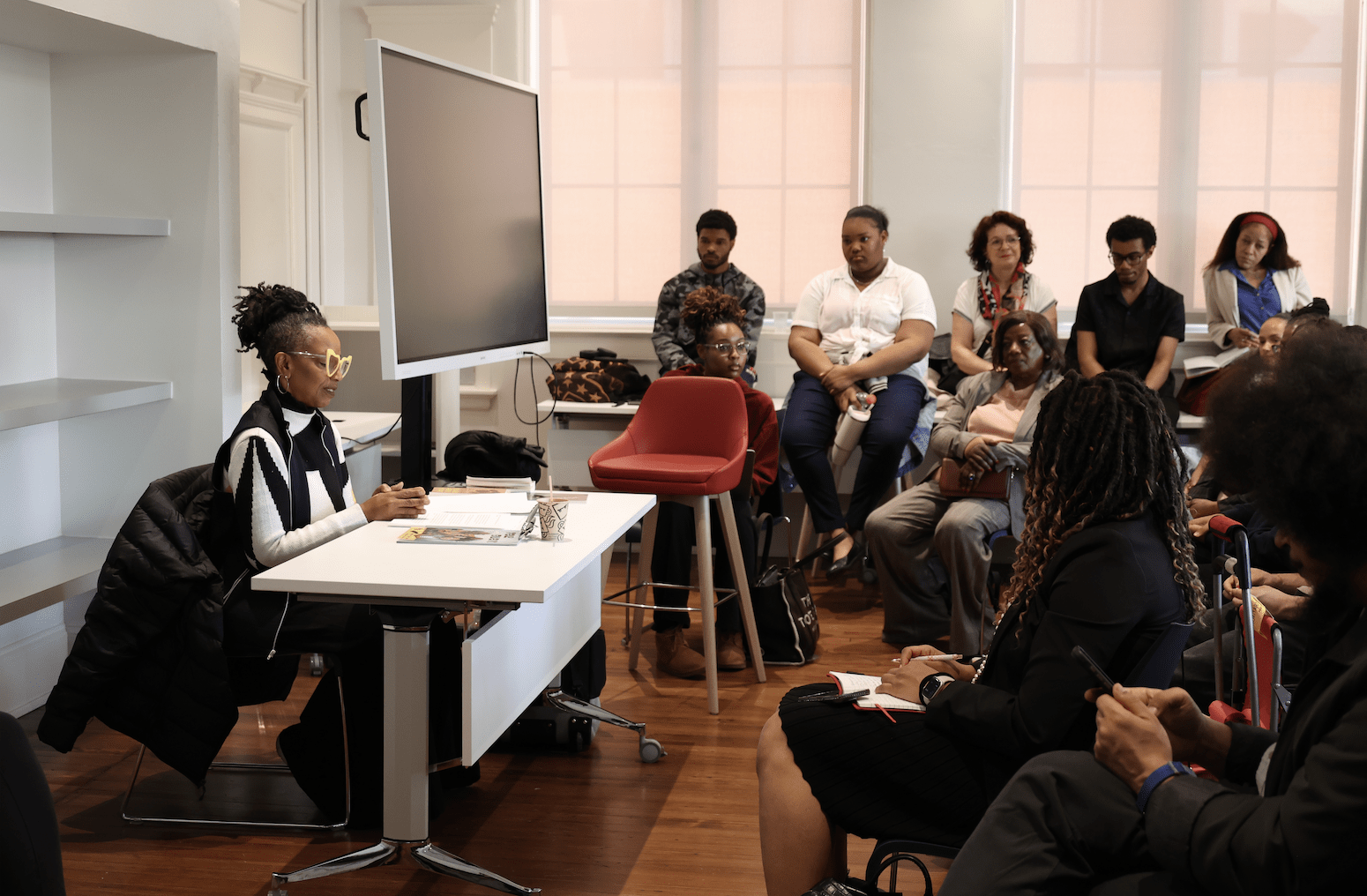
Arroyo Pizzaro’s address blended theory with reflection, inviting the audience to participate in what she referred to as an “envision your future” exercise, where she asked them to consider the legacy they are building for generations to come. She described ancestral memory as a form of advanced technology — a system stored in culture, ritual, and intuition, rather than machines — and emphasized that imagination itself is a radical act.
Referencing spiritual and cultural traditions, she invoked phrases such as “blessed is the fruit of our womb” and “the holy spirit of the comb,” reframing identity, hair, and embodiment as sacred sites of resistance and affirmation. She also highlighted her literary work, including her book “Las Negras,” as a continuation of these themes, using storytelling to reclaim narratives of Black womanhood and Afro-Caribbean identity.
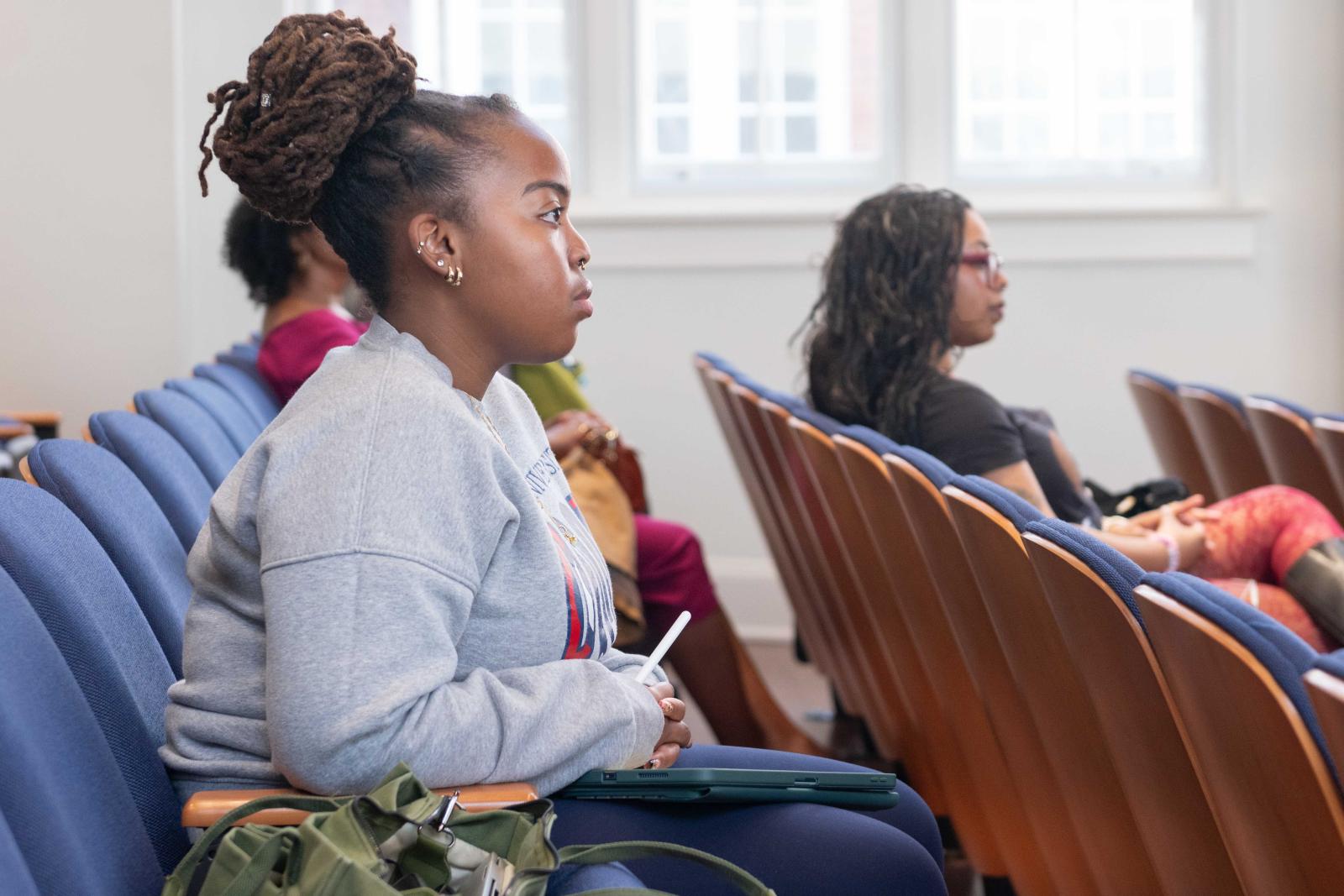
Arroyo Pizarro’s reflections were deeply rooted in her upbringing in Puerto Rico, where cultural memory and identity were shaped through both personal and communal narratives. She spoke candidly about formative experiences that influenced her understanding of race, beauty, and self-worth, including early conversations about hair and identity that later informed her writing.
Through stories of family — particularly the relationship between grandmother and granddaughter — she illustrated how ancestral knowledge is passed down, reimagined, and preserved. These lived experiences became the foundation of her work, reinforcing the conference’s broader message: that honoring the past is inseparable from shaping the future, and that each generation carries the responsibility of both memory and transformation.
Keep Reading
-
 Legacy and Lineage
Howard University Honors Retirees, Inaugurates Academic Year at 159th Opening Convocation
Sep 25, 2026 6 minutes -
 Culture Creators: Arts and Entertainment
‘A Different World’ Stars Come Home to Howard Ahead of Netflix Sequel Premiere
Sep 25, 2026 4 minutes -
 Homecoming 2026
Howard University Homecoming 2026: Wildest Dreams, Bison Traditions and a Week of Celebration
Oct 12, 2026 16 minutes