

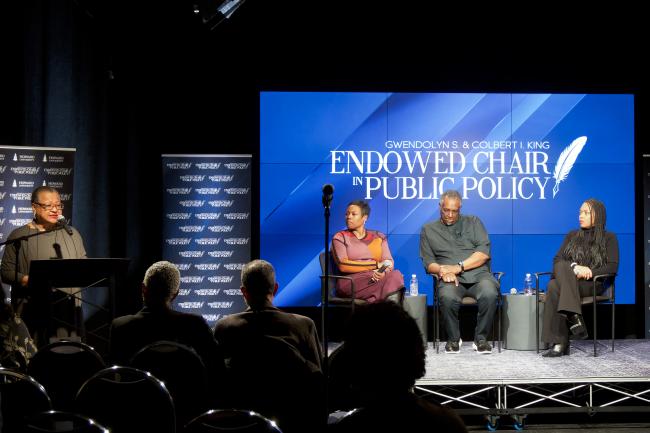
On Jan. 15, Dr. Martin Luther King Jr. (LL.D. ’57)’s birthday, the Gwendolyn S. and Colbert I. King Endowed Chair in Public Policy opened the new year with a timely and wide-ranging discussion on the future of America’s public schools. Held inside WHUT-TV’s redesigned studios, the event drew an audience of students, faculty, staff, alumni, and community members to hear from internationally recognized leaders on “Reimagining Public Education: Leadership, Equity, and the Future of Learning.”
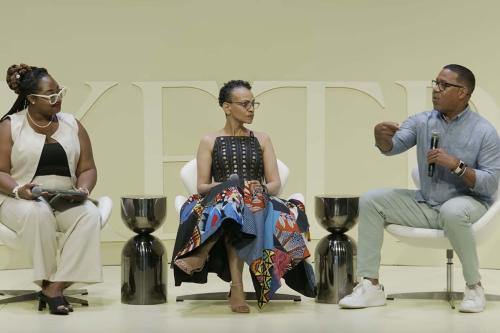
The program was framed as a conversation with Kaya Henderson, executive vice president and executive director of the Aspen Institute Center for Rising Generations and former chancellor of the District of Columbia Public Schools. Henderson was joined by two acclaimed panelists: Greg Carr, Ph.D., chair of the Howard University Department of Afro-American Studies, and Janice K. Jackson, Ph.D., executive director of the Aspen Institute Education and Society Program and former CEO of the Chicago Public Schools. Together, the speakers examined what is required to design a public education ecosystem that is equitable, resilient, and supports the full humanity of every learner.
Setting the Stage: A Call for Equity-centered Leadership
The event began with welcoming remarks by Dawn Williams, Ph.D., Howard University’s interim provost and chief academic officer, who introduced the event’s theme as both a national challenge and a campus-wide priority connected to Howard’s enduring commitment to scholarship in service to society.
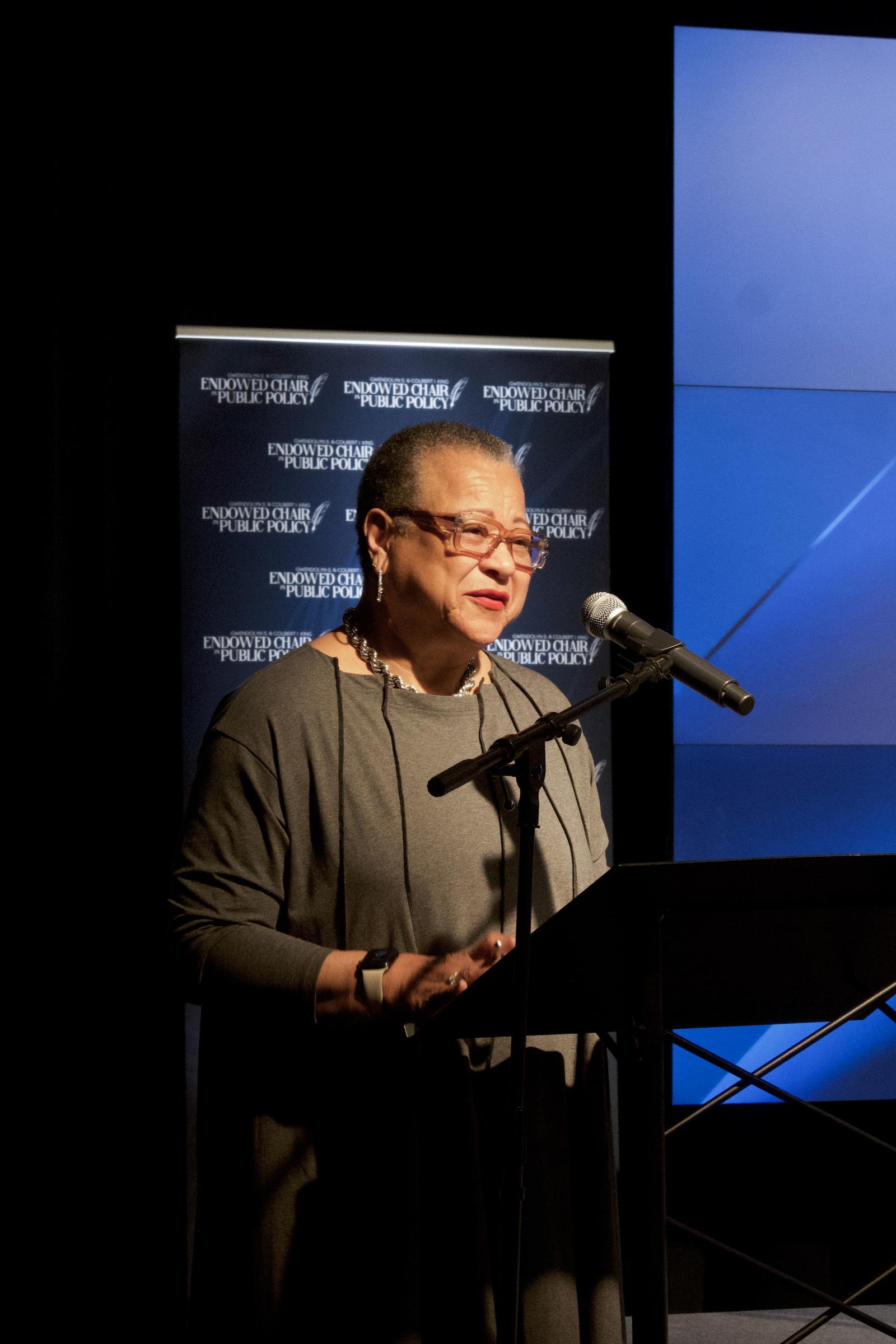
“This evening’s conversation affirms that education is not only about what happens in the classrooms, but about our knowledge and how it serves society, how it informs policy, advances justice, and contributes to the wellbeing of our communities,” Williams said.
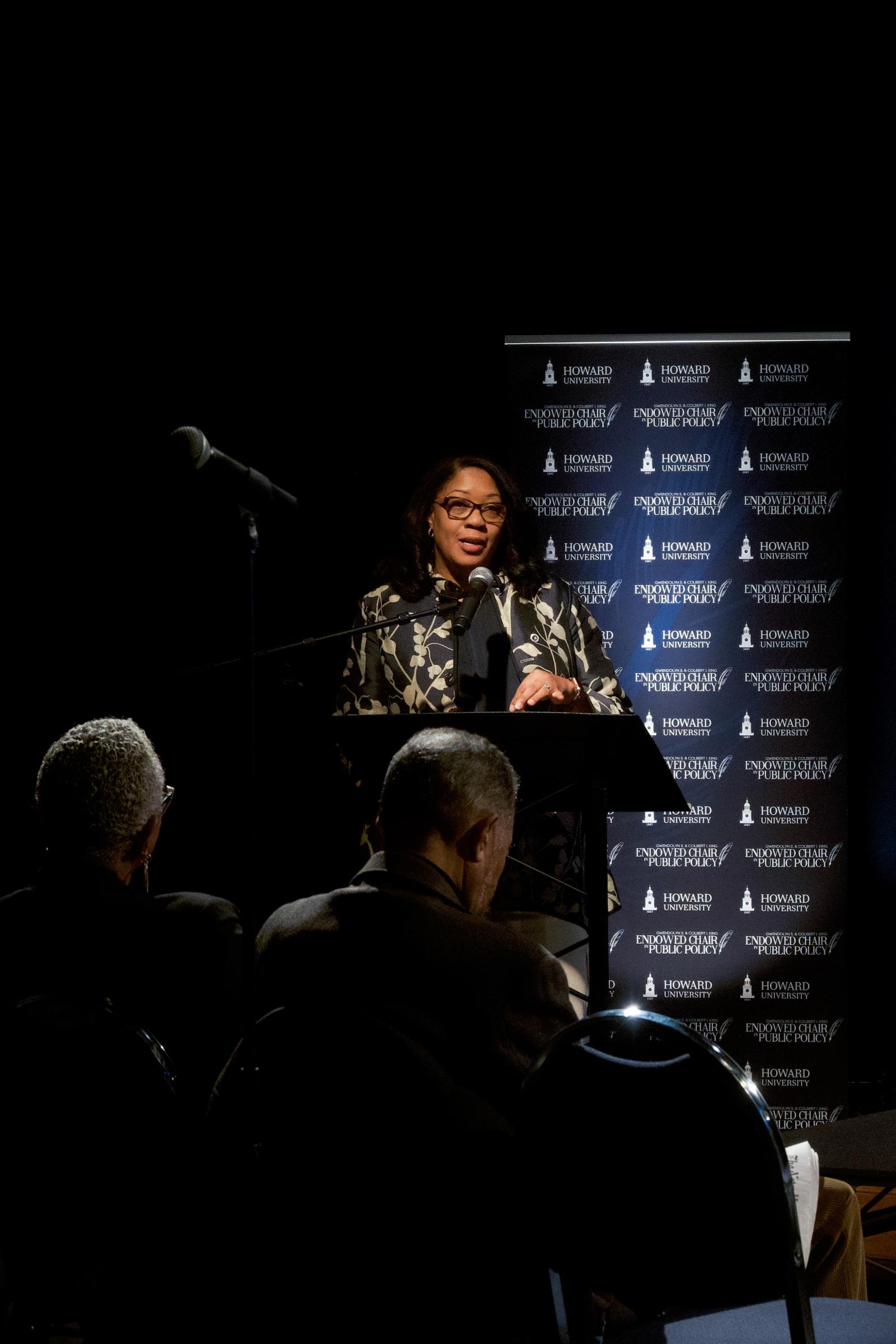
Next, Marie C. Johns, trustee emerita and current holder of the King Endowed Chair, formally opened the program, emphasizing the chair’s role in convening conversations that help translate ideas into action, particularly around issues that shape everyday life.
“Our panel, I think, will help us understand that as challenging as these times are, we’ve been in similar times before,” Johns said, “and what are the opportunities that we have to reimagine how we ought to go forward to do the important work of educating our children?”
The Panel: Leadership, Innovation, and the Future of Learning
Hosted by Henderson, the panel unfolded as a candid exploration of what “reimagining” public education demands. Henderson guided an engaging discussion around the pressures facing public education, along with the possibilities created when communities, institutions, and policymakers align around student success.
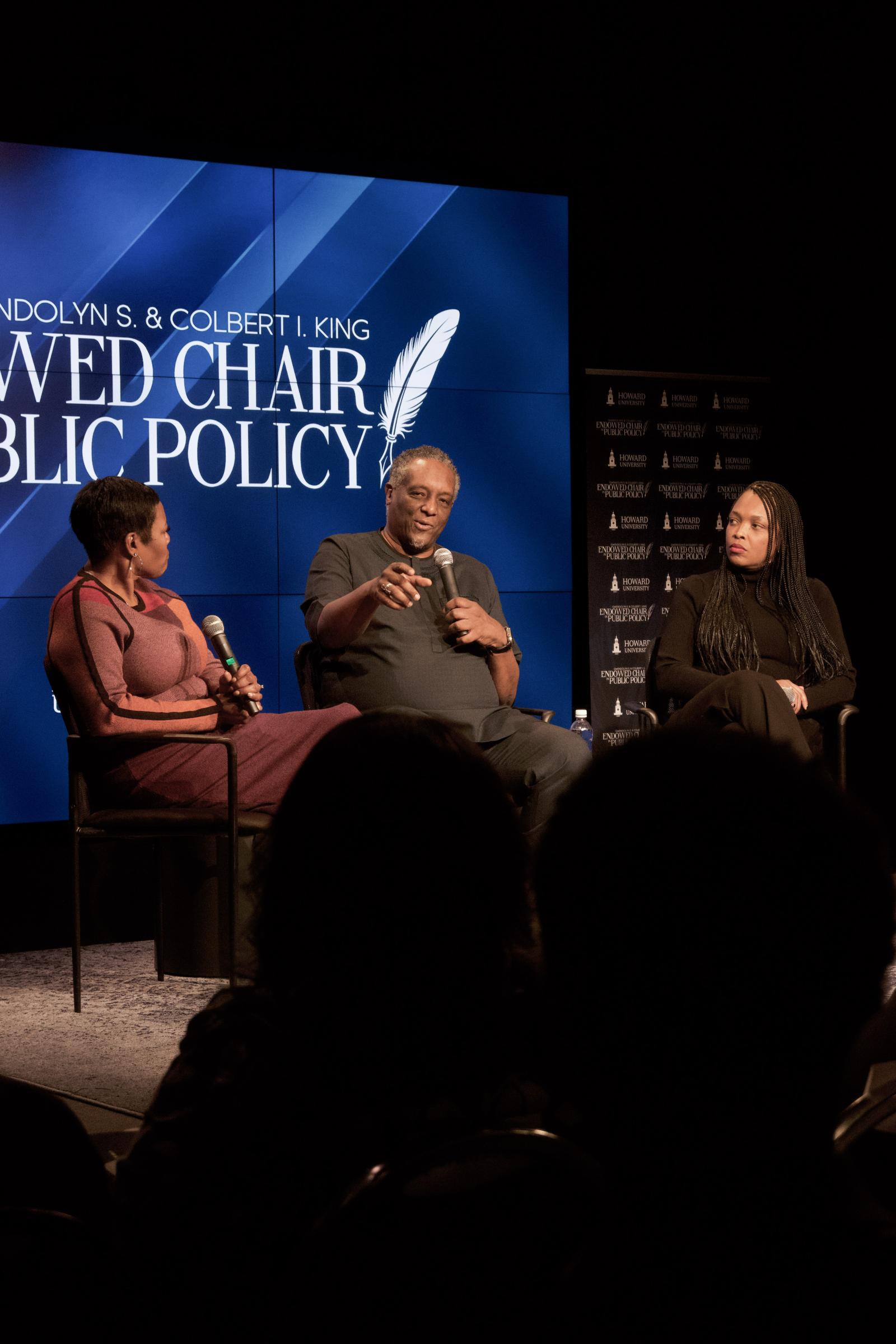
Carr brought a scholar’s lens to the conversation, connecting contemporary debates to broader historical and social contexts. He challenged attendees to think beyond narrow measures of success and instead examine the deeper civic purpose of public education, particularly in communities that have long experienced underinvestment and structural exclusion. Carr emphasized that “future of learning” conversations cannot be separated from questions of power, narrative, and whose knowledge is valued in the public sphere.
“These young people [need] to know that the excellence isn’t in aspiring to a white standard; you need to go back and recover the elders who did this work,” Carr said. “The answer is in our memory, not any vision that isn’t grounded in that memory.”
Jackson offered a national vantage point, emphasizing that the future of learning must be built around both academic excellence and student development. She spoke to the need for innovations that respond to today’s realities: the evolving workforce, technological transformation, and a renewed demand from families for schools that recognize identity and belonging as foundational instead of peripheral.
“Oftentimes, when we talk about the past, you can talk about old systems that were created and inherited, but I would challenge us to think about the new systems that are created every single day where we perpetuate and recreate a lot of the inequities,” Jackson said. “One of the opportunities or bright spots is taking students’ natural affinity, skill, interest, etc. in technology and empowering them.”
You can talk about old systems that were created and inherited, but I would challenge us to think about the new systems that are created every single day where we perpetuate and recreate a lot of the inequities.
Faculty Reflections: Rethinking Systems, Not Schools
Following the panel, Interim Provost Williams returned to offer reflections that synthesized key themes and related them to Howard’s standing as a national thought leader. She connected her vocation as educator to her role as a mother, relaying that deeper research revealed to her that the primary difference between public and private education is the level of investment and underscoring the communal responsibility to not only to participate in these systems but transform them.
“What I want to really double down on is what our public schools can do, and how they could do so much more if more families of color invested into the public school system,” Williams said.
Ivory A. Toldson, Ph.D., professor of counseling psychology, added a perspective grounded in human development and student wellbeing. Toldson’s reflections brought attention to the lived experiences behind policy debates, focusing on how school conditions shape identity and opportunity, and how educators and institutions can better support students navigating trauma and uncertainty.
“We really do have to reframe what we are saying that these students are missing,” Toldson said. “Bringing in the student voice into these conversations is absolutely critical, and codifying what they say into policy is so important.”
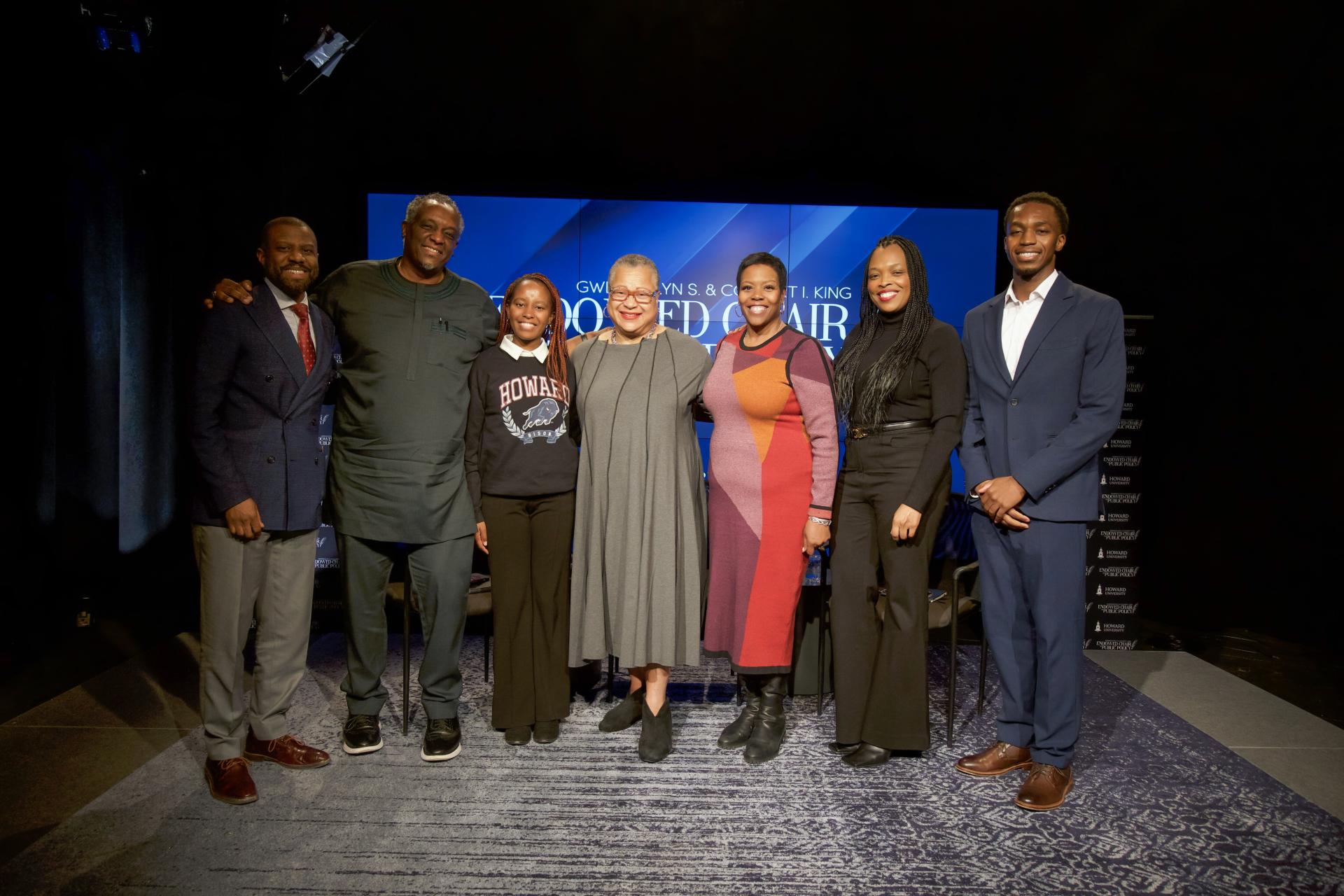
Left to right: Ivory A. Toldson, Ph.D., Greg Carr, Ph.D., Thandwa Mdluli, M.S.Ed., Marie C. Johns, Kaya Henderson, Janice K. Jackson, Ph.D., and David Ogunlade (Photo: Simone Boyd/Howard University)
Keep Exploring
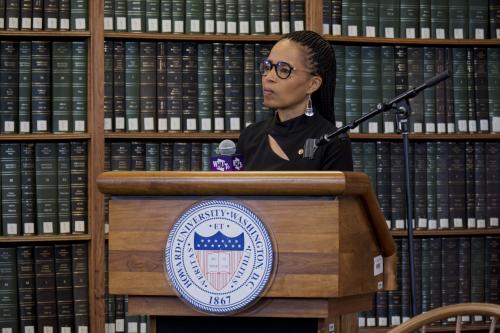
Trustee Emeritus Marie Johns, Sen. Angela Alsobrooks Open 2025-26 King Endowed Chair Series with a Call to “Elevate Our Voices”
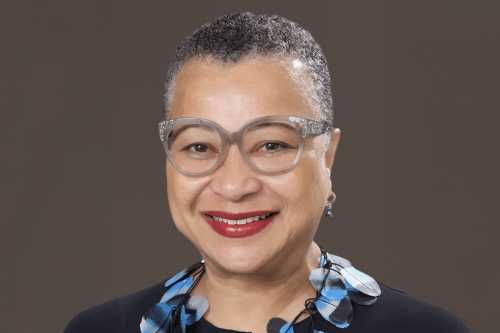
Marie Johns Appointed Chair of the Gwendolyn S. and Colbert I. King Endowed Chair in Public Policy at Howard University
Keep Reading
-
 *Change Makers
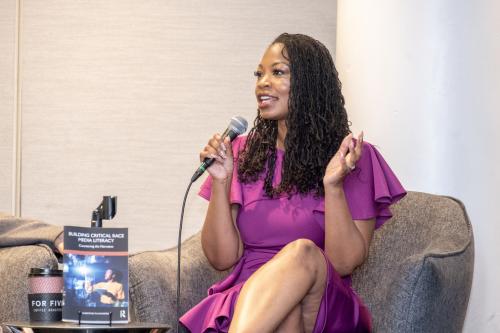
Howard University Professor Explores Race and Media Literacy in Popular New Book
Sep 8, 2026 5 minutes -
 Culture Creators: Arts and Entertainment
Howard University Professor and Jazz Musician Marcus Johnson Delivers Wisdom on Legacy, Entrepreneurship, AI at 2026 Essence Festival of Culture
Jul 10, 2026 7 minutes -
 *Legacy and History
Howard University 9/11 Initiative Unites Students with Veterans During 3 Days of Service, Reflection and Awareness
Sep 14, 2026 10 minutes