

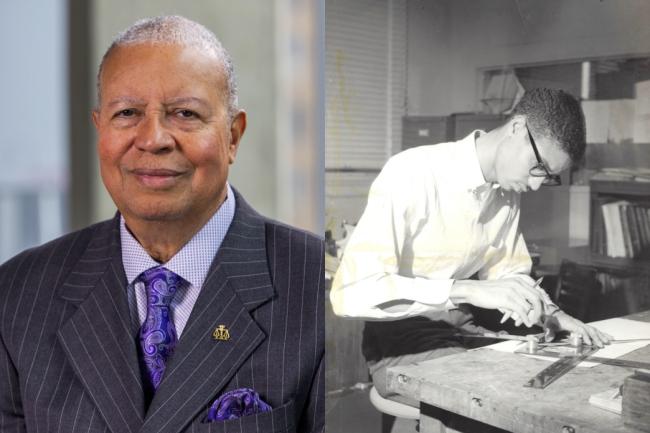
Howard University has announced Senior Judge Herbert B. Dixon Jr. (BSEE ’70) as a 2026 recipient of the Alumni Award for Distinguished Postgraduate Achievement. Dixon, along with several other alumni, will be honored during Howard’s 2026 Charter Day dinner March 7. Currently serving on the Superior Court of the District of Columbia, Dixon has built a stellar judicial career that spans appointments by presidents from both sides of the political spectrum.
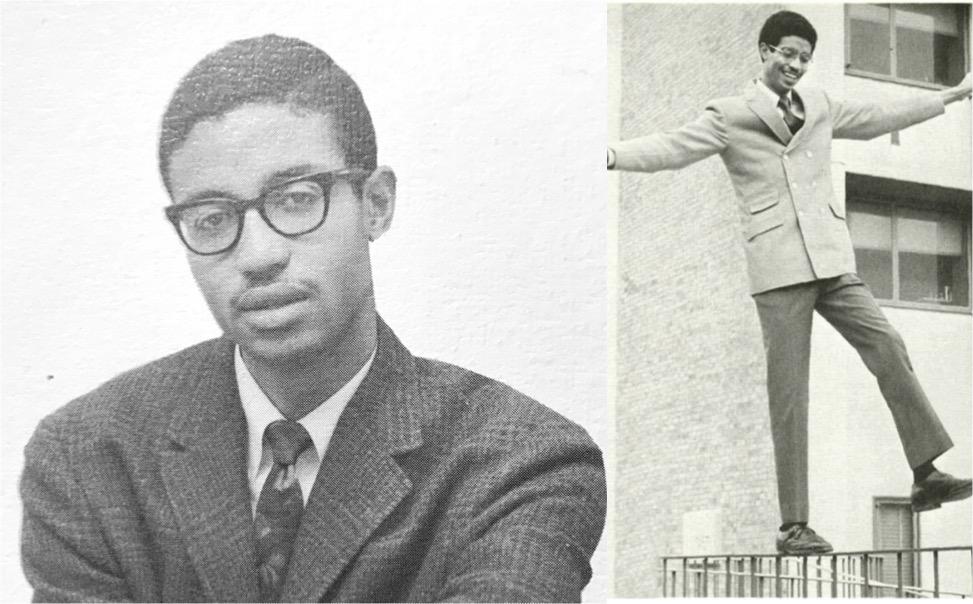
Alongside his judicial work, Dixon has served as chair of the ABA Journal Board of Editors and the ABA Judicial Division’s Book Editorial Board. He currently serves on The Judges’ Journal Editorial Board and writes the magazine’s technology column. He is also senior legal adviser to the Center for Legal and Court Technology, an initiative of the Marshall-Wythe School of Law at the College of William & Mary and the National Center for State Courts.
Dixon is a senior judge on the Superior Court, having been appointed to successive 15-year terms first by President Ronald Reagan and later by President Bill Clinton. He said this latest recognition from Howard came as a surprise and has drawn warm responses from friends, family members, and longtime colleagues.
“I am truly humbled by this award and by the joy expressed by friends and relatives that Howard is recognizing me for my life’s work,” Dixon said. “This award was unexpected, and since it was announced, I’ve been overwhelmed by the outpouring of congratulatory messages, including from friends I haven’t seen in many years.”
He said the messages have prompted him to reflect on the role Howard has played in his life and work.
“Almost everything I do today traces back to something I learned at Howard, the way I think, the way I solve problems, the way I deal with people, and the way I lead,” Dixon said. “Howard gave so much to me, and I feel a responsibility to give something back. You don’t just take from Howard. You carry it forward, you represent it, and you build on it.”
The Academic Comfort Zone
Dixon first arrived at Howard confident and determined, but also shy. He described himself as a “self-described nerd” with little interest in anything outside of engineering. At the time, he said his world revolved almost entirely around the fast-developing field of electrical engineering.
However, he recalled how the campus environment at Howard ultimately pushed him to expand his horizons. He pledged Omega Psi Phi Fraternity and later served as Basileus (President) of his undergraduate chapter, Alpha Chapter. He joined the staff of the Bison yearbook, later becoming its editor-in-chief and, subsequently, editor-in-chief of The Howard Engineer magazine.
"I was able to step outside of the shyness and successfully handle leadership opportunities Howard presented me as an undergraduate," Dixon said. He added that the roles forced him to develop the writing, communication, and collaboration skills that would later drive his success on and off the bench.

Dixon said the connections he formed at Howard have endured well beyond his years on campus. Many classmates became part of his professional network and personal support system, offering advice, encouragement, and opportunity. He is married to his Howard sweetheart, Phoebe Boykins Dixon, and they have two children, both of whom are Ph.D.-trained engineers.
After receiving his bachelor of science degree in electrical engineering from Howard University, Dixon went on to earn a juris doctor degree from Georgetown University Law Center. Dixon was first nominated to the District of Columbia Superior Court in 1985 by President Ronald Reagan.
The Superior Court is the trial court of general jurisdiction for Washington, D.C. Superior Court Judges preside over complex and minor civil cases, criminal cases, domestic relations cases, probate cases, and tax cases. The judges on the court are appointed by the United States president and confirmed by the U.S. Senate for terms of 15 years. Upon the announcement of his retirement and assumption of senior judge status, the Legal Times/National Law Journal referred to him as the “Technology Judge.”
Dixon said his early experiences in leadership and communication at Howard University laid the groundwork for Dixon’s reputation. On the bench, he pioneered the court’s first electronic filing programs and technology-enhanced courtrooms. Today, he remains at the forefront of the field, serving on the National Task Force on Artificial Intelligence and acting as the technology columnist for The Judges’ Journal.
Beyond his technical contributions, Dixon has held numerous high-level leadership roles, including chairing the National Conference of State Trial Judges and serving on the ABA Board of Governors.
In the end, he said he remains deeply grateful for his Howard education.
“I carry Howard with me wherever I go,” Dixon said. “It’s been a constant source of strength.”
###
Keep Reading
-
 Legacy and Lineage
The Howard University Student-Led Bus Protest that Challenged Virginia’s Jim Crow Laws
Jun 25, 2026 5 minutes -
 Culture Creators: Arts and Entertainment
Walking in Rhythm: The Blackbyrds’ Enduring Legacy from Howard University to the International Stage
Jun 17, 2026 8 minutes -
 Legacy and Lineage
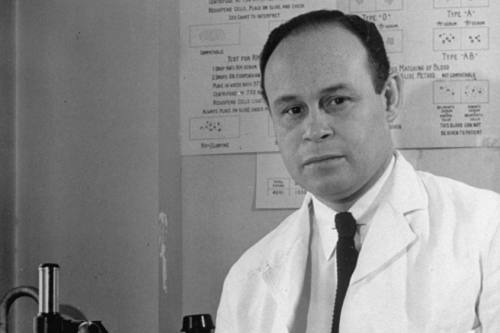
Dr. Charles R. Drew’s Legacy: Daughter Charlene Drew Jarvis and Dr. Wayne A. I. Frederick Explore the Enduring Impact of the Medical Pioneer and Howard Faculty Member
Jun 12, 2026 3 minutes