

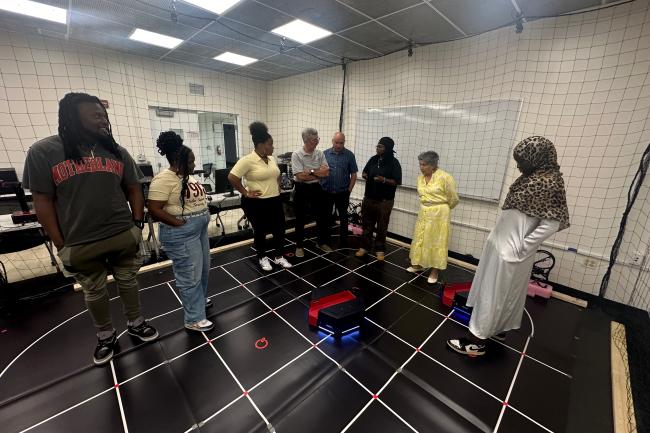
The Howard University College of Engineering and Architecture (CEA) continued its commitment to broadening participation in AI and robotics this summer through two impactful educational initiatives that engaged learners and educators at different stages of the pipeline.
The first program, the Robotics and Automation Outreach Program (RAOP), prepares grades 5-12 educators to bring robotics and automation into their classrooms. The second program, our annual Drone Academy, which saw its third year this summer, introduces local high school students to drone technology and coding. CEA faculty, staff, and students leveraged hands-on learning, research-based instruction, and industry partnerships to inspire the next generation of innovators.
Together, RAOP and the Drone Academy exemplify CEA’s mission to create meaningful pathways into AI, robotics, engineering and technology while expanding access to STEM education.
Empowering Educators Through Robotics and Automation
Led by Fadel Lashhab, Ph.D., a faculty member in the Department of Electrical Engineering and Computer Science, RAOP is a part of Howard University's NSF-funded Research Experiences in STEM Settings (RESS) initiative. The program provides authentic research experiences and classroom-ready professional development for K-12 educators interested in incorporating robotics, autonomous systems, and control technologies into their teaching.
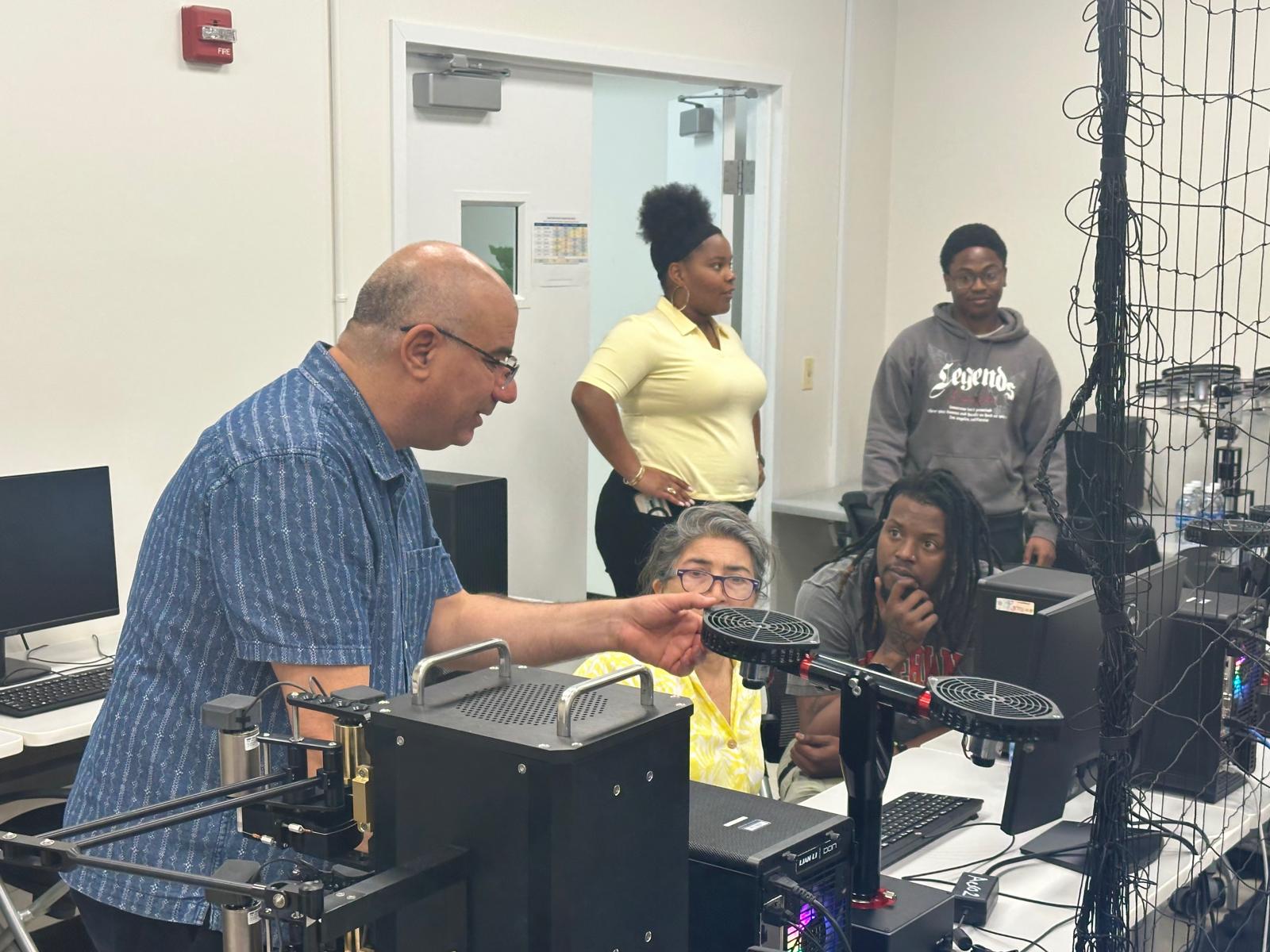
Supported by a $500,000 National Science Foundation award through the Robert Noyce Teacher Scholarship Program, the five-year initiative addresses a growing national need to equip STEM educators with innovative instructional strategies and practical research experiences. The project focuses on educators from underrepresented school districts throughout the Washington metropolitan area, helping them bring cutting-edge STEM concepts directly into their classrooms.
Each summer, RAOP will select eight pre-service and in-service STEM educators to participate in an intensive three-week program. Participants begin with virtual training using QLabs digital twin environments before transitioning to hands-on experimental validation in Howard University's Autonomous Vehicles, Robotics, and Control (AVRC) Laboratory. Through this simulation-to-hardware approach, educators gain experience working with advanced robotics platforms while developing classroom-ready learning modules aligned with K-12 STEM instruction.
This summer RAOP welcomed educators from Columbia Heights Education Campus, McKinley Technology High School, Sousa Middle School, Ellen Ochoa Middle School, and pre-service educators from Howard as the inaugural cohort for the program.
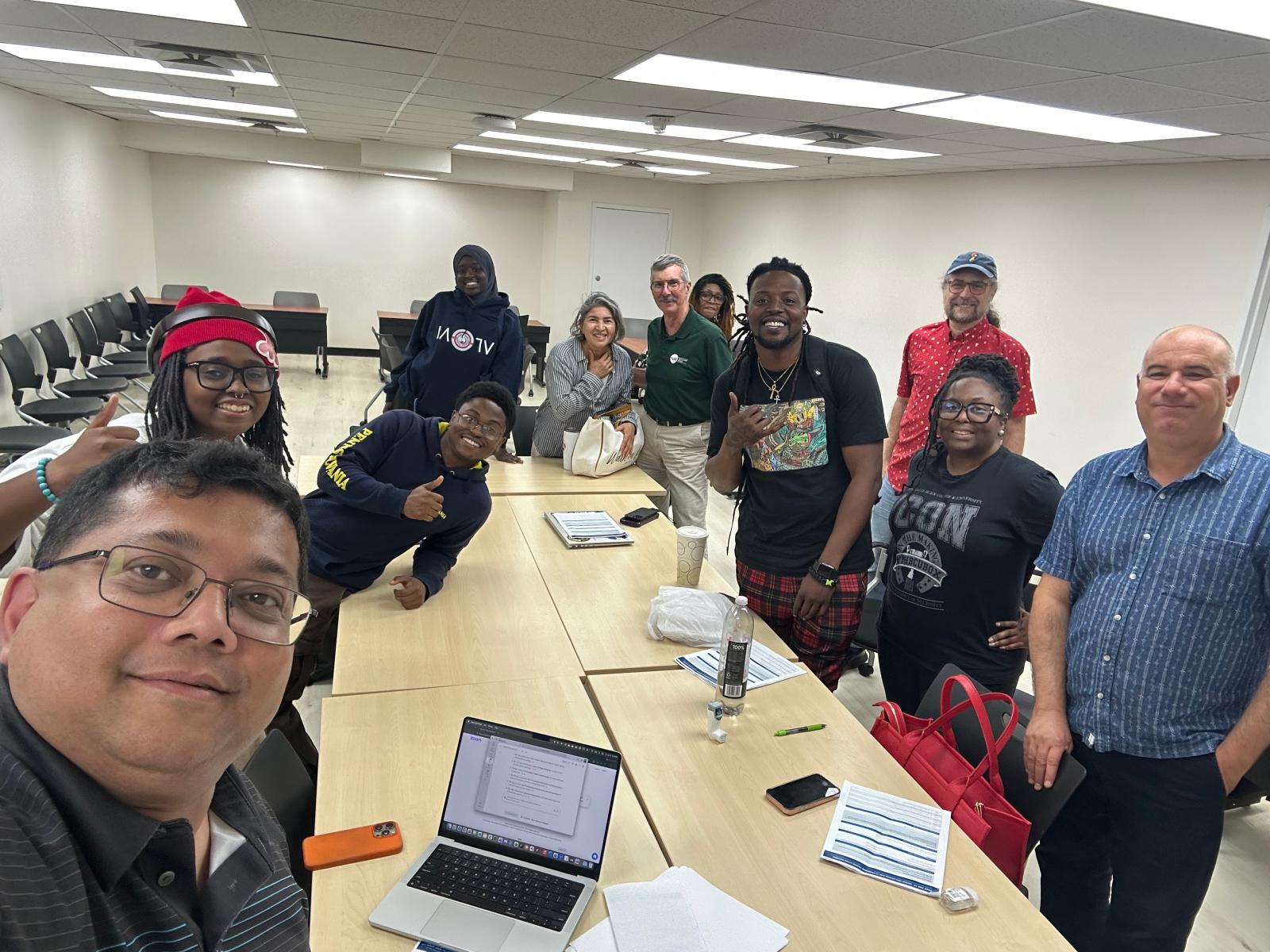
The inaugural participants emphasized that the hands-on AVRC laboratory experience strengthened their understanding of robotics, automation, simulation, and control systems, making abstract concepts such as control theory, input-output relationships, encoders, and real-world engineering applications more accessible and meaningful. They also highlighted the exceptional support provided by the RAOP team and training assistants, noting the value of collaboration, mentorship, and a supportive learning environment.
Several participants also expressed interest in bringing student groups to the AVRC Laboratory and using the program’s resources, including simulations, hardware, and instructional materials, to enrich classroom instruction and student engagement.
The initiative is the result of a multidisciplinary collaboration between Lashhab, Katherine Picho, Ph.D., associate professor of educational psychology, and Imtiaz Ahmed, Ph.D., associate professor of electrical and computer engineering.
Next-Generation Aviators Take Flight at Drone Academy
While RAOP focused on empowering educators, Howard's annual Drone Academy introduced local high school students to the exciting world of unmanned aerial vehicles (UAVs). Hosted by the Howard University Robotics Student Organization (HU Robotics) and sponsored by Amazon Fulfillment Technologies, the week-long program welcomed 26 students from across D.C., Maryland, and Virginia to Howard's campus.
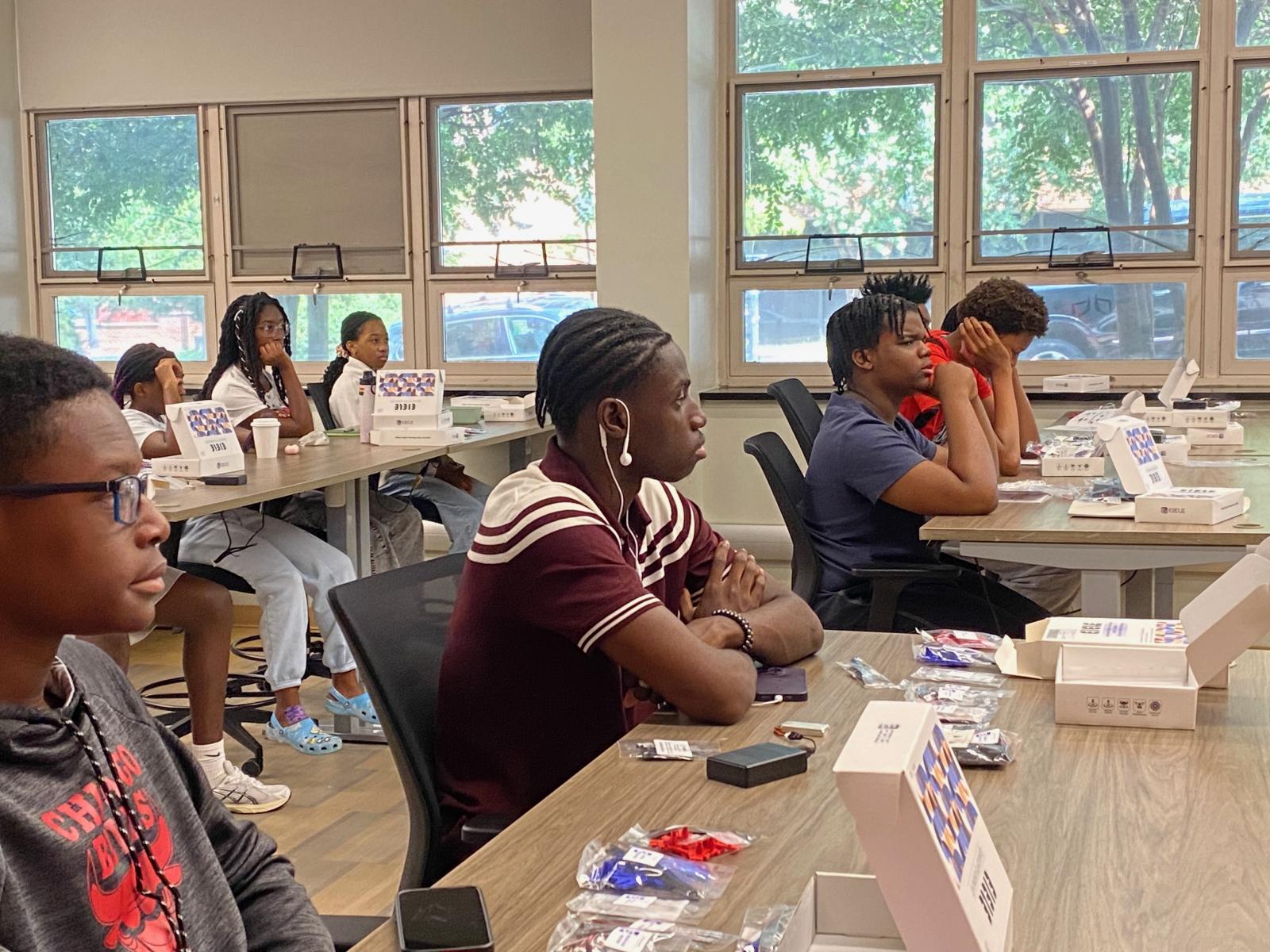
Now in its third year led by computer science professors Harry Keeling, Ph.D. and Todd Shurn, Ph.D., the academy offers participants an immersive experience that bridges the gap between curiosity and career readiness. Students explored every stage of drone operations, beginning with an overview of the rapidly growing drone industry and its applications in various fields, such as agriculture, logistics, search and-rescue, and photography. They also learned the fundamentals of flight physics and gained an understanding of FAA Part 107 regulations that govern safe and responsible drone operation.
Participants then moved from theory to practice, assembling critical drone components, including propellers, protective guard rails, and battery systems. After mastering basic flight maneuvers and safety procedures, students explored the computer science principles that make autonomous flight possible. Through block coding exercises, they learned programming logic, decision-making algorithms, and mission-planning techniques.
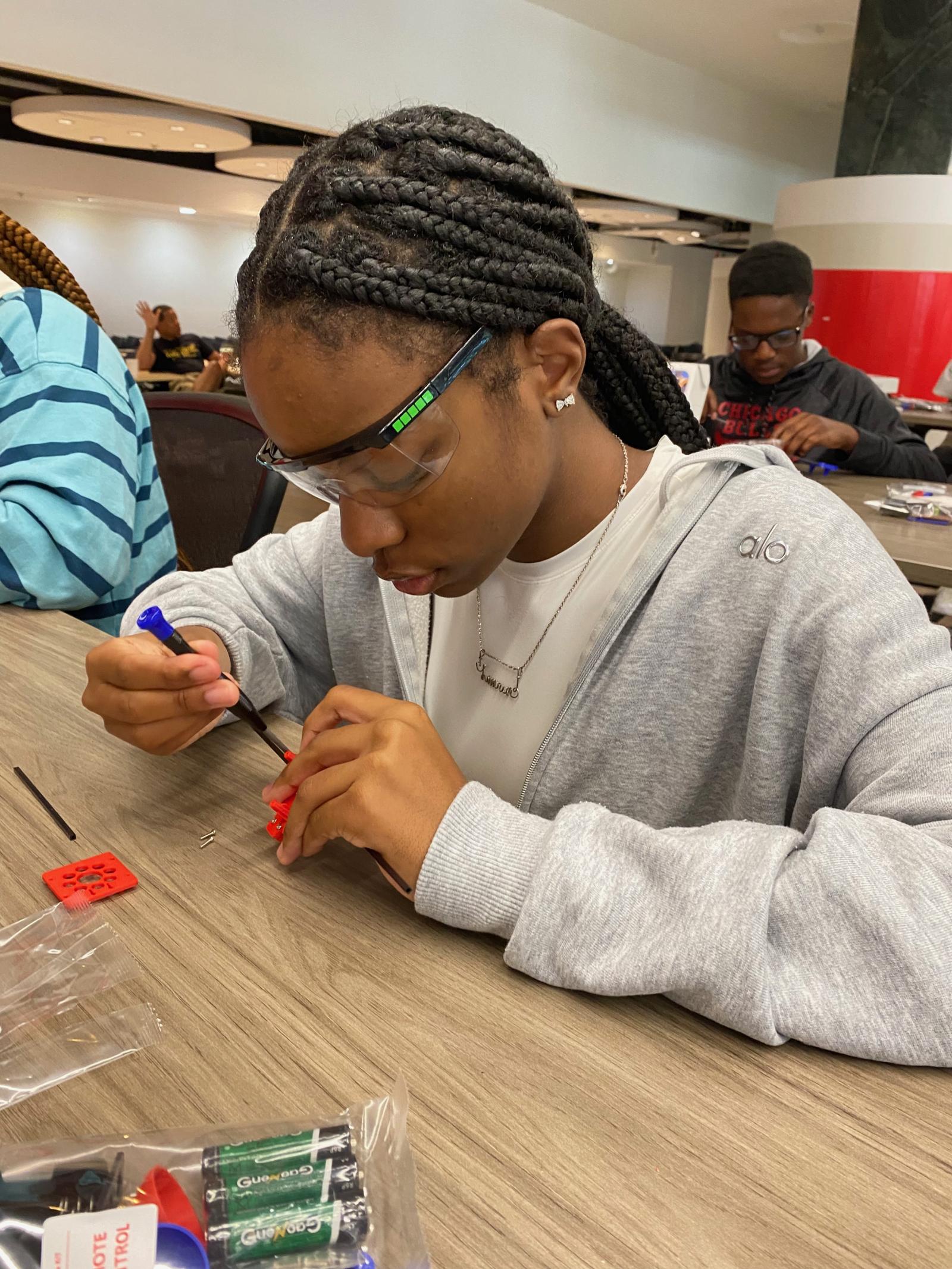
By the end of the week, students had progressed from assembling to programming drones. The experience culminated in live mission flights at Howard's Beltsville Campus, where participants successfully executed autonomous flight paths that showcased their newly acquired coding and piloting skills. The operational segment of the program was managed and led by Anaiya Reliford, Ph.D., licensed commercial drone pilot and senior research scientist for the Research Institute for Tactical Autonomy.
Building a Stronger STEM Pipeline
Although designed for different audiences, both programs share a common goal: expanding opportunities in STEM and creating pathways for future innovators. RAOP equips educators with the tools and confidence to bring robotics and automation into classrooms, while Drone Academy inspires high school students to explore careers in engineering, aviation, robotics, and computing. Together, these initiatives demonstrate Howard's commitment to developing a diverse, technologically skilled workforce and ensuring that students and educators alike have access to transformative STEM learning experiences.
As the CEA continues to invest in outreach, experiential learning, and community partnerships, programs like RAOP and Drone Academy are helping shape a future with responsible and practical AI and robotics programmers, instructors and leaders.
Keep Reading
-
 *Accolades
Howard University CEA Professor Sonya Smith Elected to AIAA Class of 2026 Fellows
Sep 28, 2026 3 minutes -
 Artificial Intelligence
Howard University Launches Its First AI Certificate Program for Undergraduate Students
Aug 20, 2026 4 minutes -
 *Community
A Backpack, a Fresh Start: Howard University Supports D.C. Students
Sep 29, 2026 3 minutes